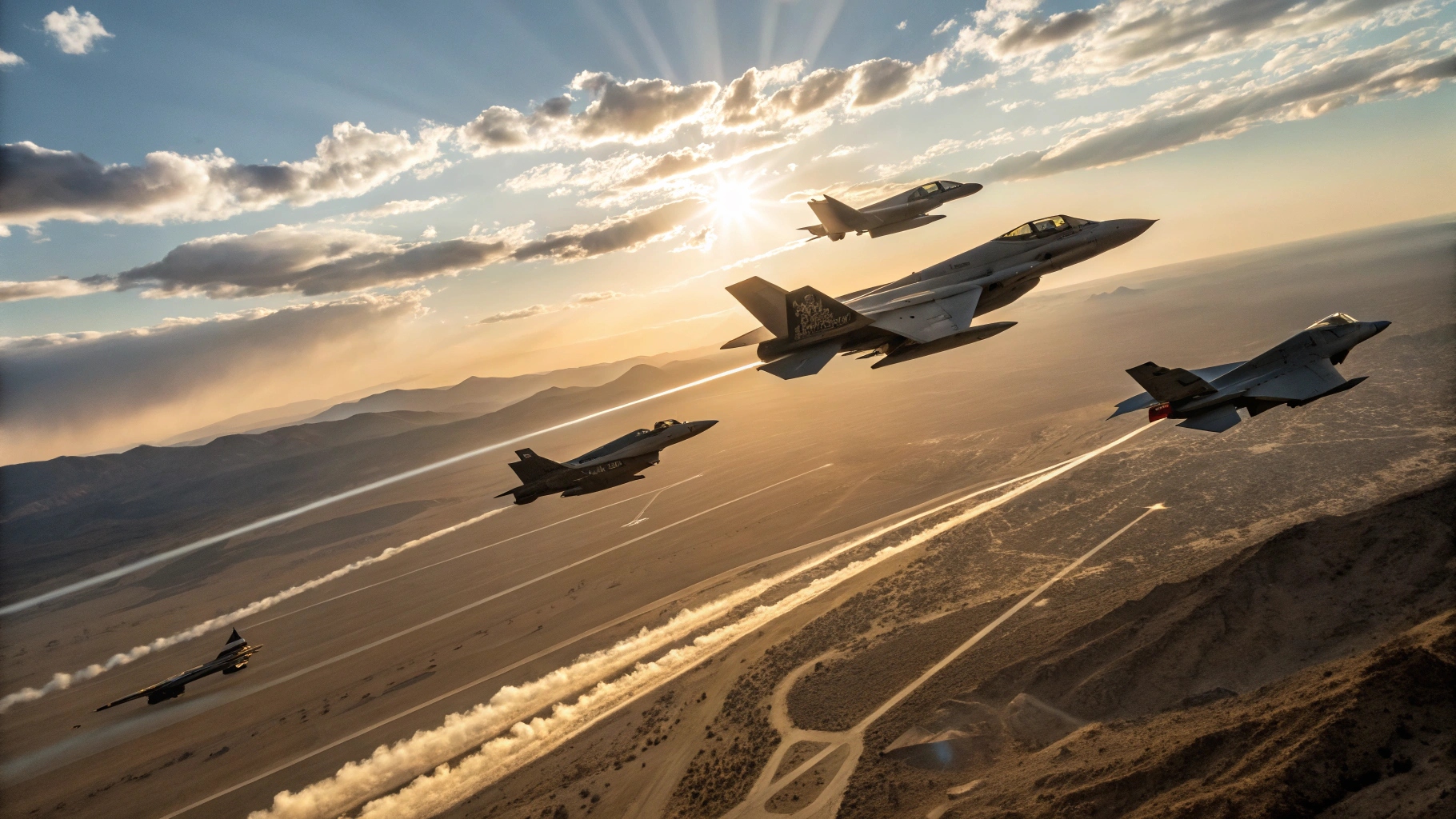

The Astra Mk-I BVRAAM represents one of India’s notable indigenous missile-development achievements. With the weapon already operational with the Indian Air Force, export opportunities are increasingly being considered. However, international sales involve a challenge that extends beyond missile performance: compatibility with foreign fighter aircraft.A modern beyond-visual-range missile depends heavily on the host aircraft’s avionics. Target information is initially generated by the fighter’s radar and mission systems, while the aircraft can continue sending guidance updates to the missile until its onboard seeker takes over during the final stage of the engagement.This relationship means that successful integration requires access to aircraft software, radar interfaces, weapon-management systems, and secure communication links. These technologies are normally closely controlled by fighter manufacturers and their respective governments.Integration can therefore require extensive software development, hardware modifications, flight trials, certification, and safety assessments. The missile must communicate reliably with the aircraft’s digital data architecture and operate correctly with its launcher and weapon-control systems.Physical integration is equally important. Engineers must verify launcher compatibility, structural loads, aerodynamic effects, electrical interfaces, and safe separation of the missile from the aircraft during launch.The secure datalink presents another issue because Astra relies on communication with the launching aircraft for mid-course guidance. Different fighter fleets may use different communications and avionics architectures, potentially requiring customized solutions.Export controls add a further layer of complexity. Aircraft such as the F-16, Gripen, or Rafale may require authorization from their manufacturers and, depending on the aircraft and customer, approval from the relevant government before integrating an Indian weapon.Russian-designed platforms could offer a comparatively favorable route because India has already completed Astra integration on the Su-30MKI. This experience could help reduce some of the technical barriers for operators of compatible Russian-origin aircraft.Potential users operating Su-30 or MiG-29 variants could therefore be considered possible markets, although each aircraft configuration would still require detailed integration and certification work.Future Astra variants could benefit from an architecture designed for easier cross-platform integration. Cooperation with foreign aircraft manufacturers during early export planning could also help reduce engineering requirements and accelerate certification.