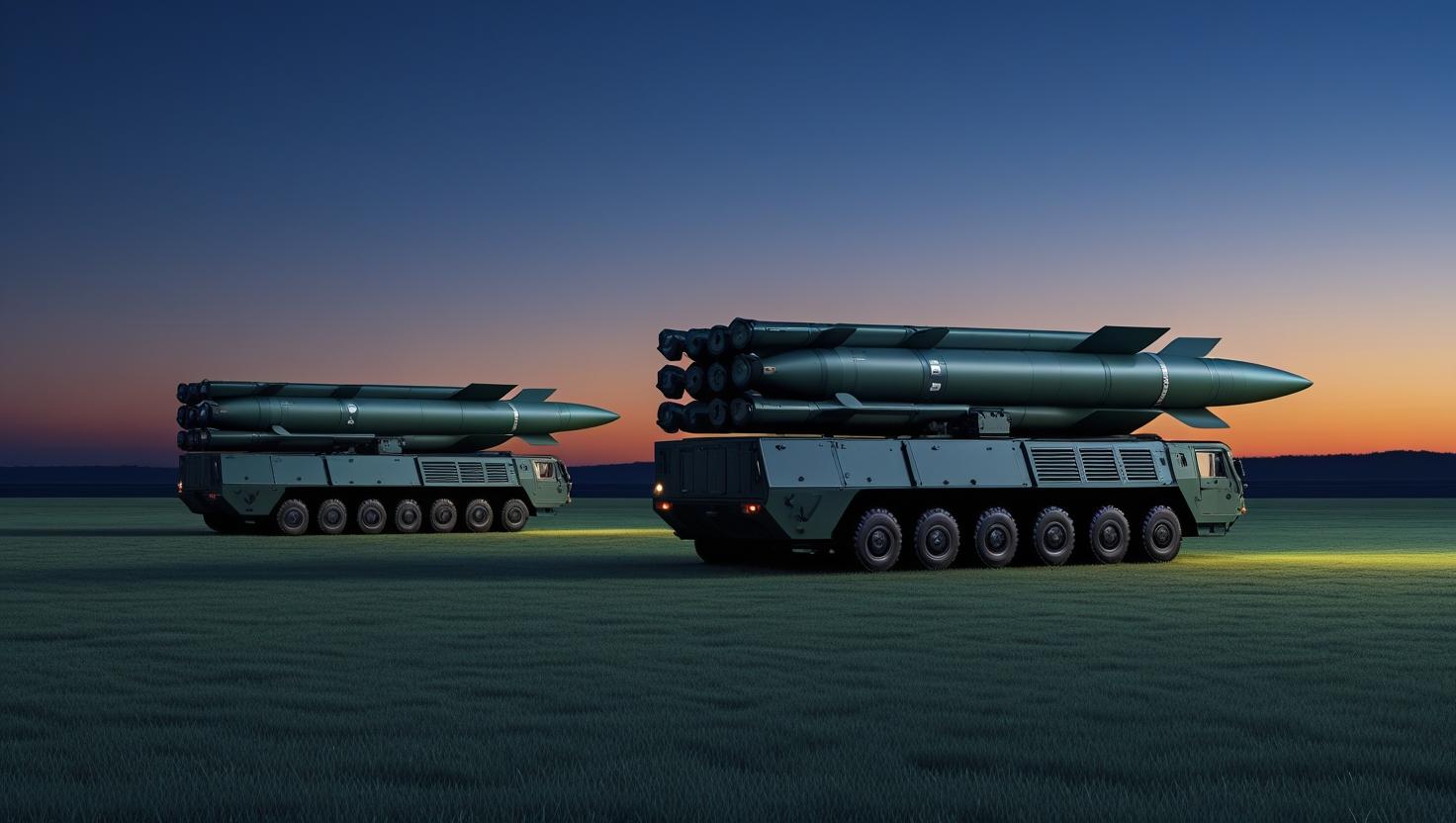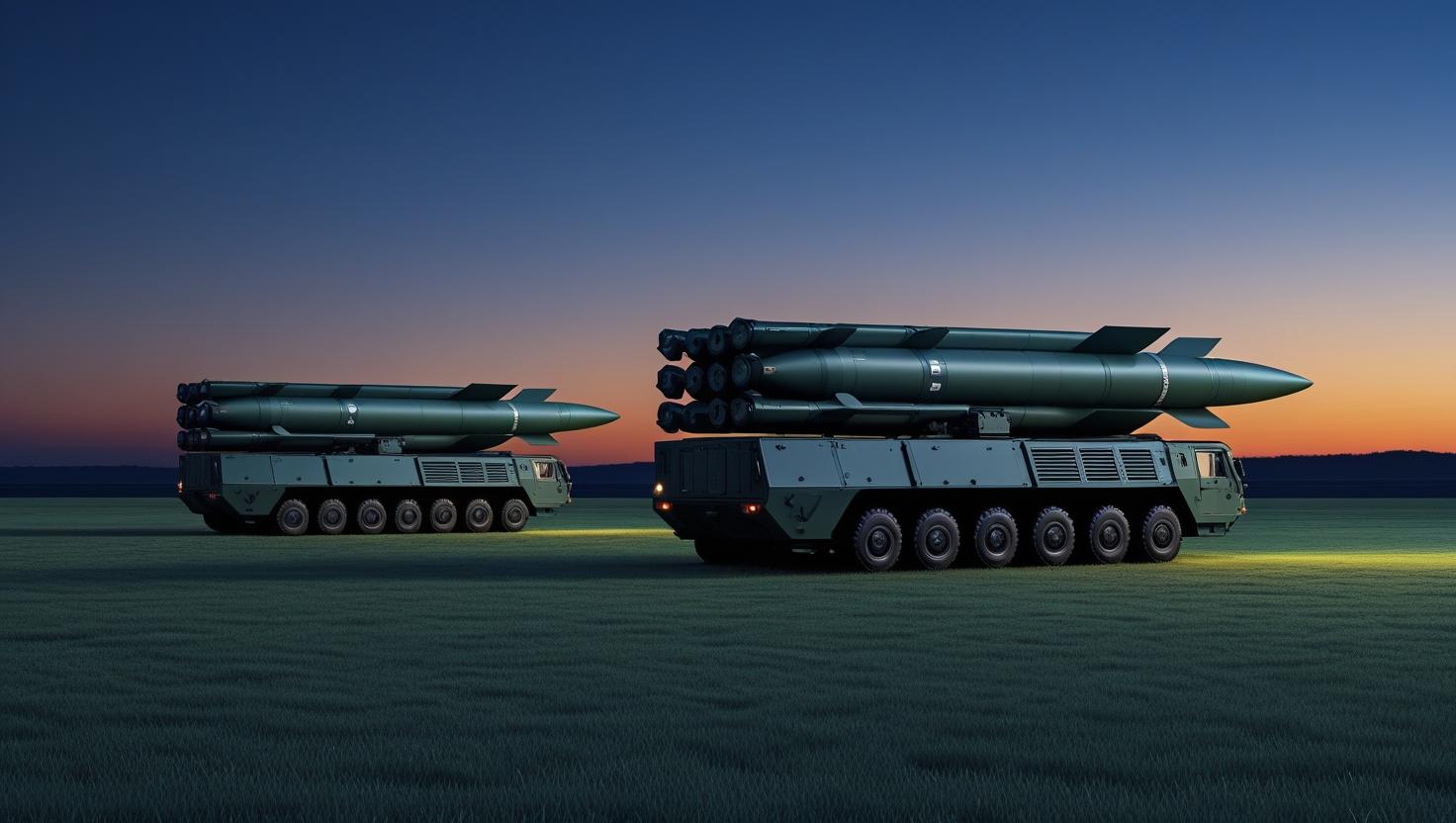

Lockheed Martin is developing Strigo as a modular family of technologies designed to provide greater flexibility to future missile systems. The initiative combines next-generation radio-frequency sensors, datalinks and seeker technologies through a common architecture.
The main purpose of the architecture is adaptability. Missile systems may be required to perform different roles depending on operational circumstances, and the technology used for one mission may not be identical to that needed for another. Strigo is intended to make it easier to configure the underlying technologies for different applications.
Lockheed Martin identifies air defence, missile defence and air-to-surface engagements among the potential mission areas. Each of these roles can place different demands on sensors, communications and seekers. A common architecture can provide a foundation from which the system can be adjusted for the intended mission.
The inclusion of radio-frequency sensors and seekers is important because these technologies can support the detection and tracking functions required by advanced missile systems. Datalinks provide another element by enabling information exchange and coordination with other systems.
The modular design also reflects the increasing importance of flexibility in defence procurement. Military forces are facing changing threats and increasingly complex operating environments. Technologies that can be adapted to new requirements may offer advantages over systems designed around only one narrowly defined role.
Strigo is therefore being positioned as a technology family rather than a single-purpose missile component. Its common architecture is intended to make it possible to reuse and reconfigure key technologies across multiple missions.
The approach could also support faster adaptation as requirements change. Instead of creating an entirely new technology base for every mission, a shared architecture may allow existing components and technologies to be modified for different applications. Lockheed Martin’s initiative highlights the broader movement toward modular, networked and adaptable defence systems.