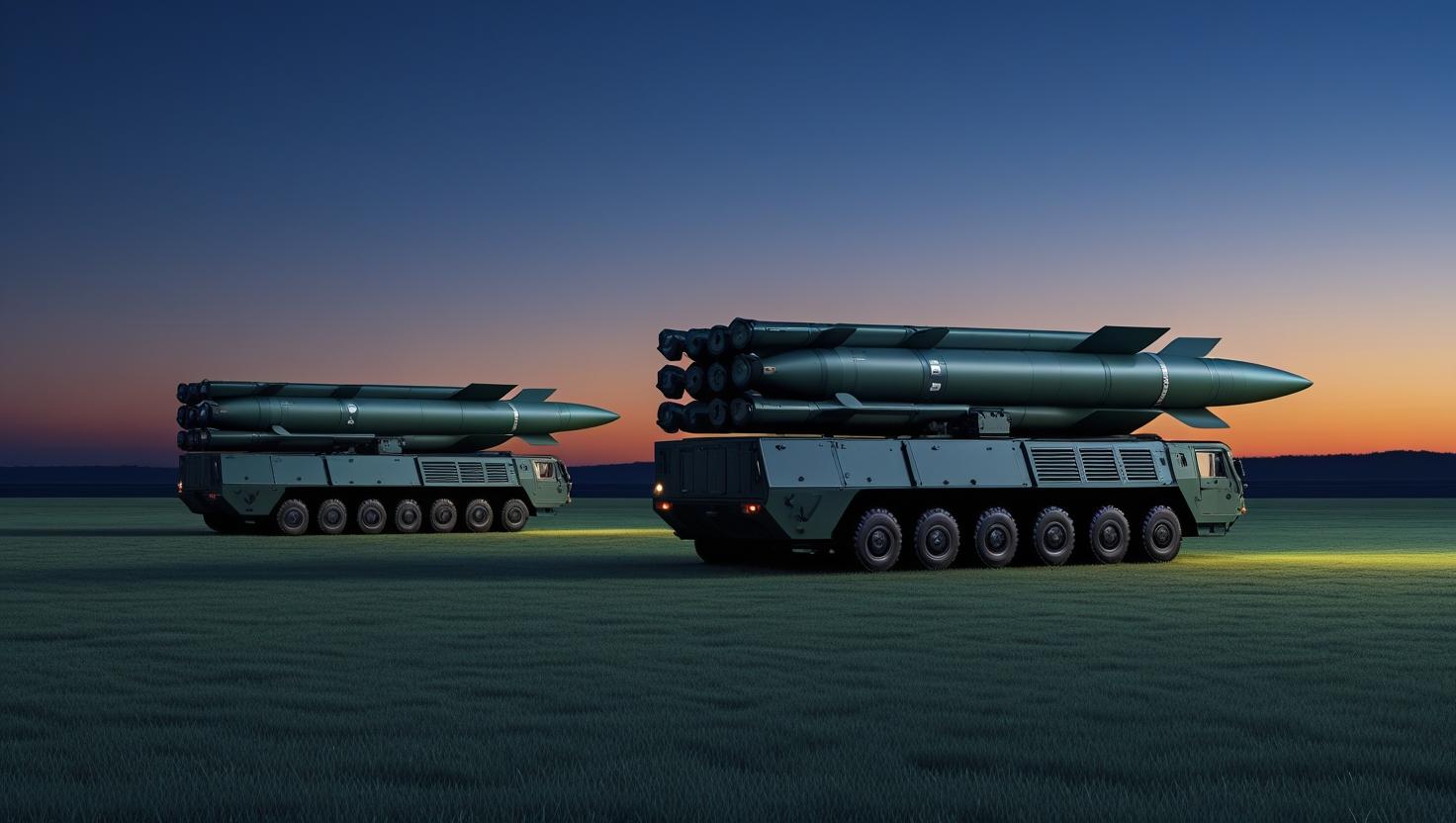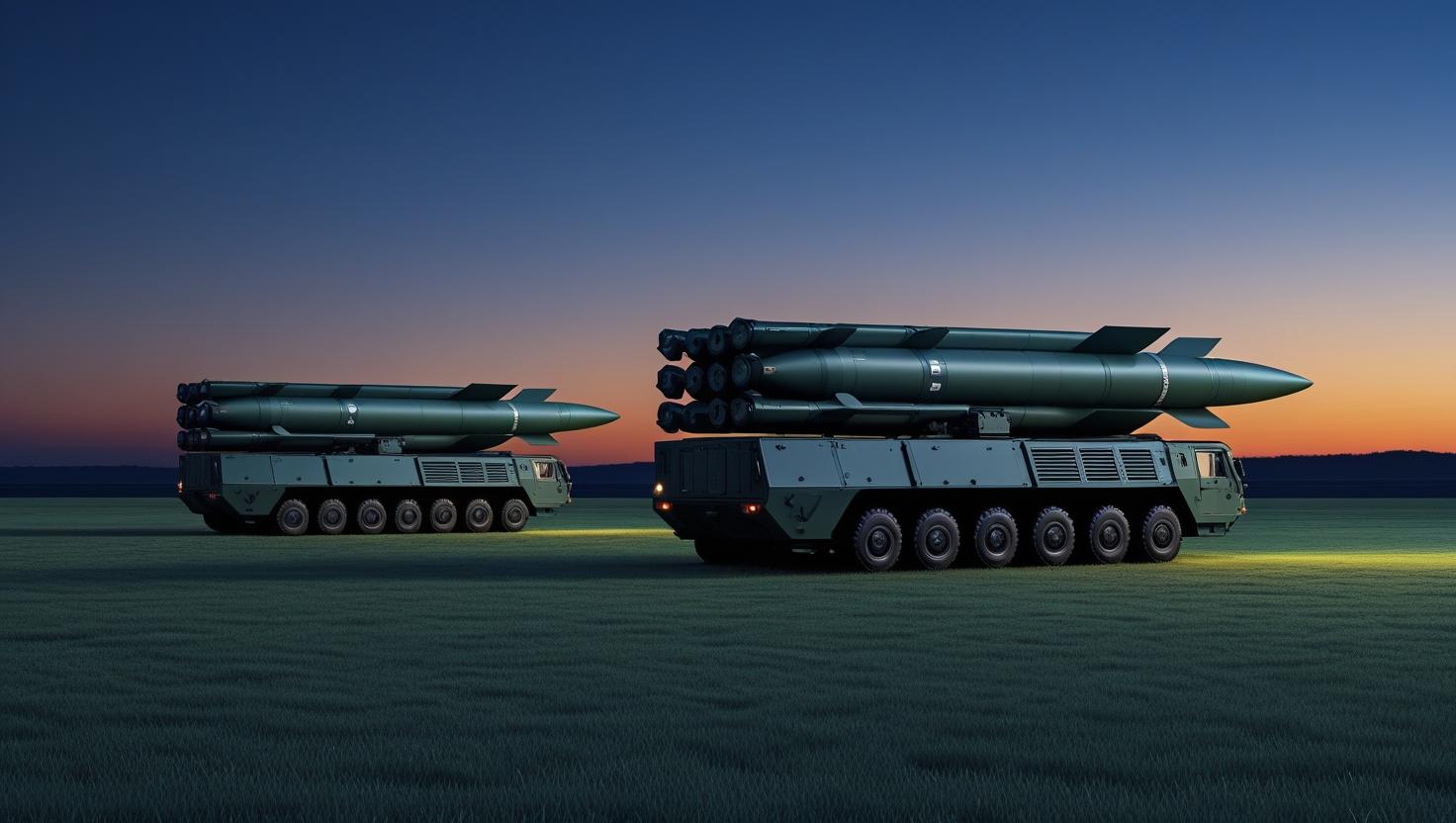
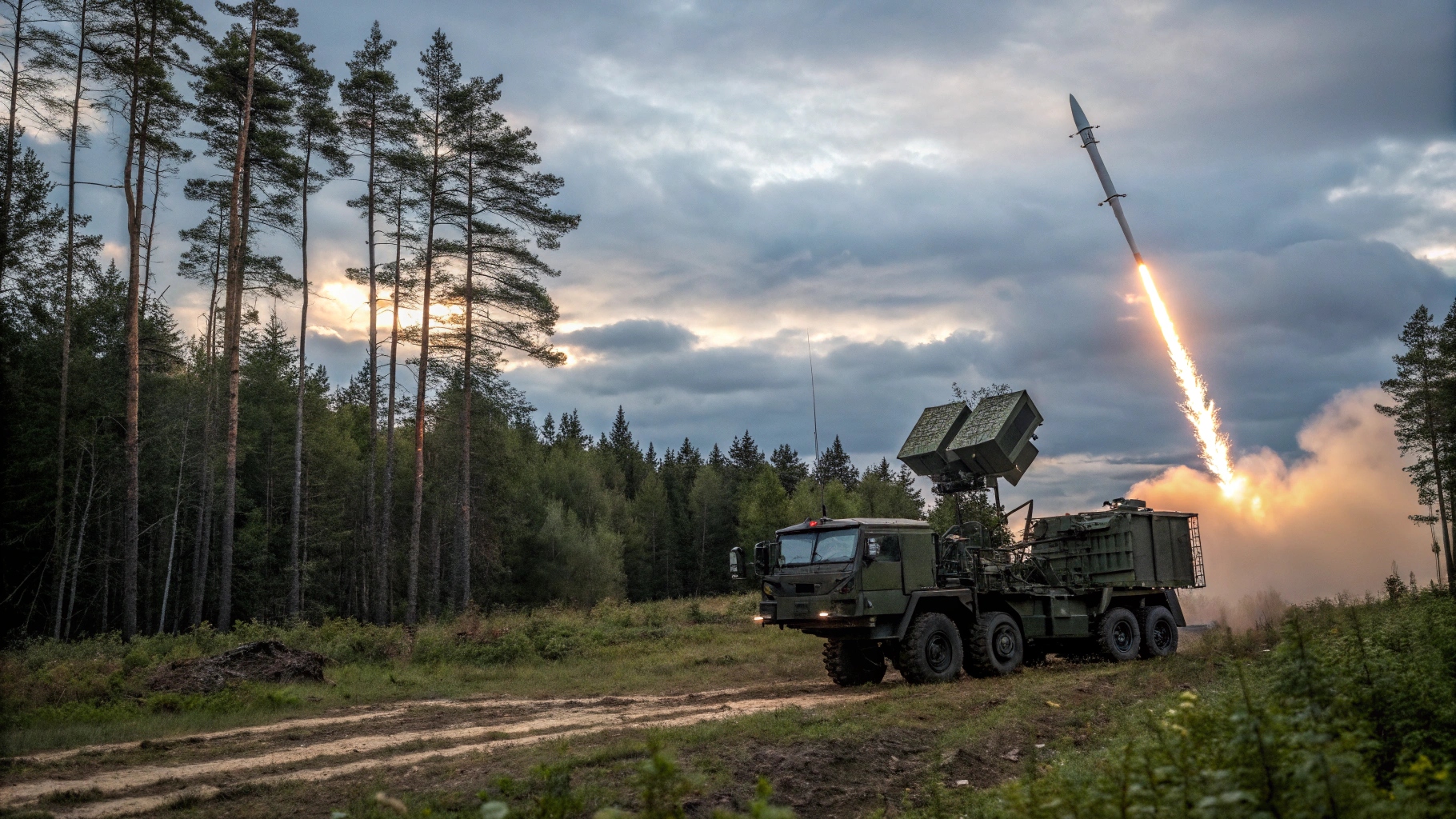
Indian defense startup Vertotech Aerospace, based in Bengaluru, is developing V-RUDRA, a proposed indigenous medium-range surface-to-air missile aimed at addressing a broad range of aerial threats.According to the company’s stated specifications, the missile could engage targets at distances of up to 120 km while reaching speeds of approximately Mach 4.5. Intended targets reportedly include aircraft, helicopters, UAVs, cruise missiles, and other airborne platforms.The concept uses a combination of radar and electro-optical guidance, giving the missile two complementary sensing methods. This architecture could be useful in contested electromagnetic environments where radar performance may be affected by jamming or deception.The radar component would support target detection and tracking, while the optical system could provide additional target confirmation and terminal guidance. Such sensor diversity is increasingly important for modern air-defense systems facing sophisticated electronic countermeasures.V-RUDRA’s reported range places it in the medium-range air-defense category. A system in this class can provide defensive coverage for strategic sites, military formations, infrastructure, command centers, and other high-value locations.The stated Mach 4.5 performance would also provide a rapid interception capability against high-speed aerial threats. However, the available information does not yet establish details about its propulsion, seeker design, launcher, warhead, radar network, command system, development schedule, or readiness level.Bringing such a missile from concept to operational service would require substantial development and testing across propulsion, guidance, sensing, communications, command-and-control, and radar technologies.India already fields a layered collection of air-defense systems, including Akash-family systems, MRSAM, QRSAM, VL-SRSAM, and the S-400. V-RUDRA therefore represents a potential additional contribution from the country’s growing private defense sector.The project remains at a developmental stage, but it illustrates the increasing willingness of Indian startups to pursue complex missile and air-defense technologies alongside established government and private-sector programs.