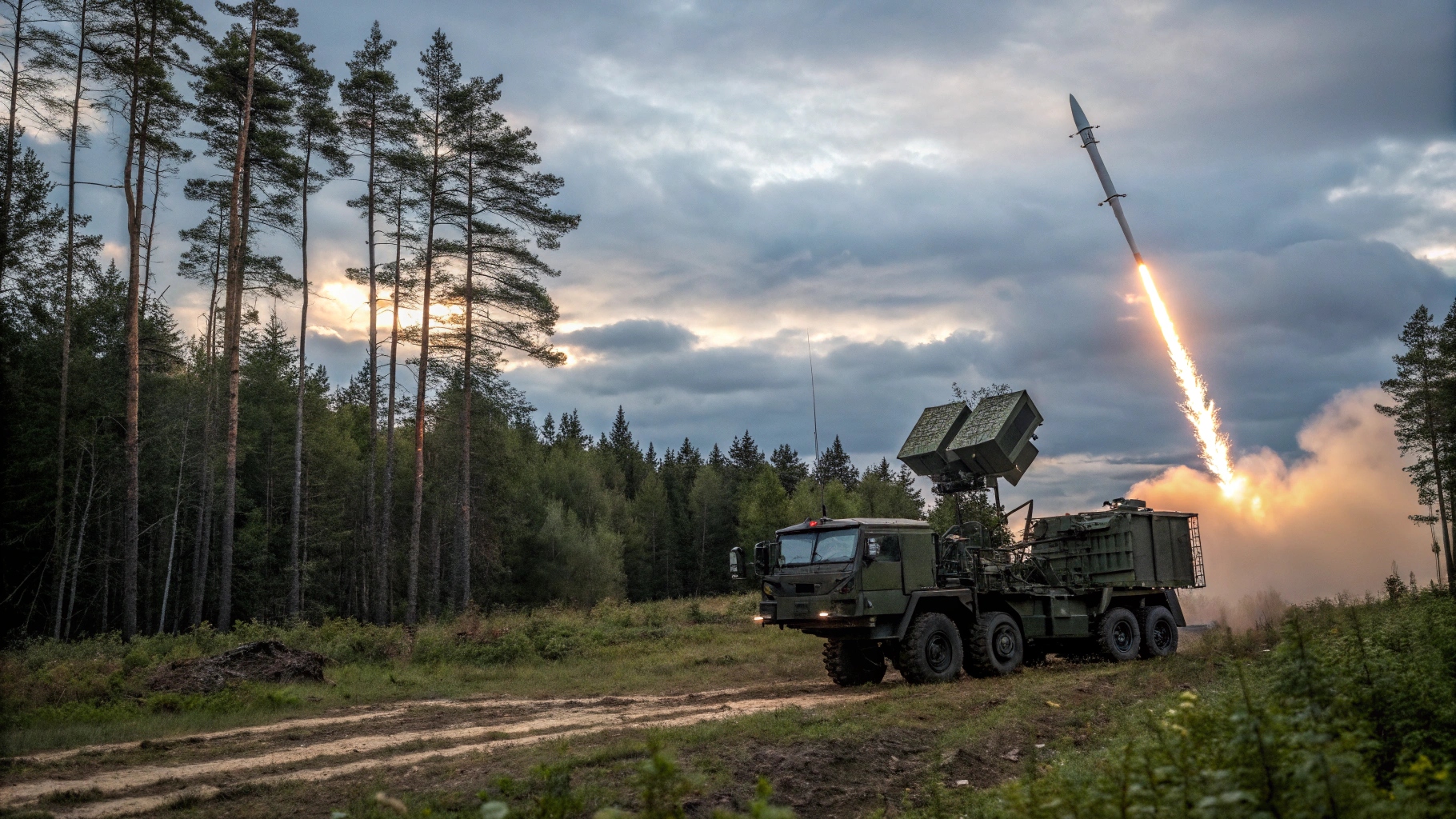

Russia is expected to complete delivery of all five S-400 regiments ordered by India by the end of 2026, with the fourth unit scheduled around June and the final unit in November. Rosoboronexport has maintained that the programme has not experienced a schedule deviation, reinforcing Moscow’s stated commitment to the 2018 agreement.The deal, valued at roughly ₹45,190 crore, provides India with five regimental configurations of the long-range S-400 air-defence system. Three units entered Indian service between 2021 and 2023 and have been positioned in strategically important northern and eastern sectors. Acceptance testing for the fourth system reportedly concluded in Russia during April 2026 before its June delivery, while the fifth is planned for November.The S-400 architecture uses several radar types. These include the 91N6E long-range surveillance radar, 92N6E engagement radar and 96L6E altitude-detection equipment, supported by up to 12 launch vehicles. The missile portfolio gives the system multiple engagement envelopes: 40N6 at up to 400 km, 48N6DM at 240 km, 9M96E2 at 120 km and 9M96E at 40 km. This layered missile family allows the system to address a broad range of threats, from aircraft and UAVs to cruise and ballistic missiles.India refers to the S-400 as Sudarshan Chakra. The supplied report credits the system with operational use during Operation Sindoor against Pakistan, where it reportedly responded to aircraft and missile threats. The deployment has consequently become a significant component of India’s deterrence and air-defence strategy.India is also looking beyond the original purchase. The Defence Acquisition Council reportedly cleared another five regiments in March 2026, potentially doubling the inventory to ten. Separately, 288 additional missiles were approved in February at a reported cost of about ₹8,300 crore to replenish ammunition stocks.The S-400 acquisition proceeded despite the threat of US CAATSA sanctions after Washington granted India a waiver. The decision reflected the system’s strategic relevance, particularly in the context of China. Future integration with Indian systems—including Akash and MRSAM under Project Kusha—could create a more comprehensive national air-defence network. The Indian Air Command and Control System would provide the mechanism for data sharing and coordinated engagements between different air-defence layers.The completion of the fifth regiment would therefore strengthen India’s layered defensive architecture, while deployment of the fourth system in Rajasthan would provide additional coverage along the western frontier.