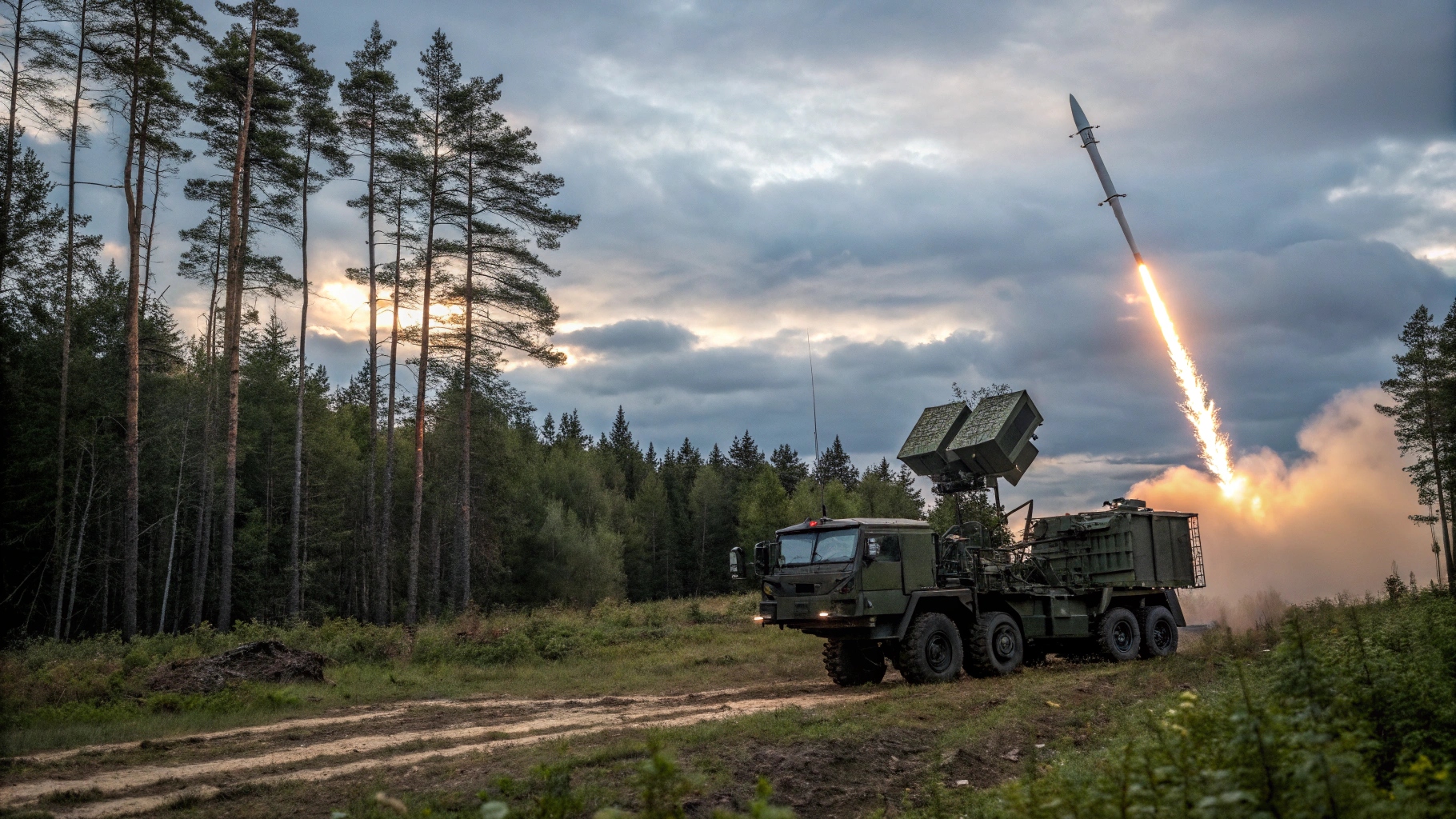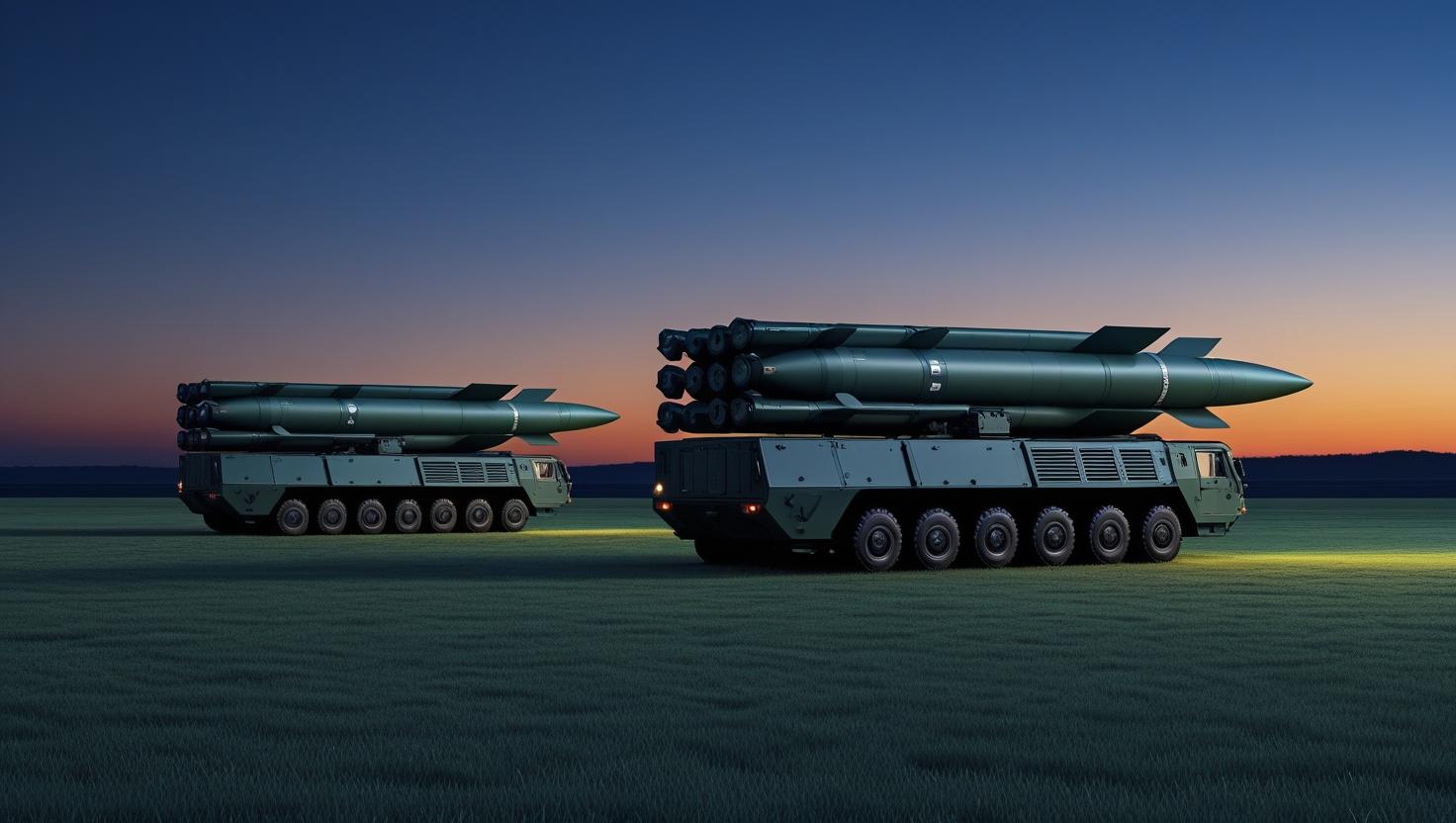
Raytheon has received a $745.4 million award from the US Missile Defense Agency to produce and assemble SM-3 Block IIA ballistic missile interceptors for American and Japanese forces.
Work under the contract will be conducted in Tucson, Arizona, and Huntsville, Alabama. The agreement is expected to run until February 28, 2031. It was issued as a noncompetitive, undefinitized contract.
The Standard Missile-3 is designed around a hit-to-kill approach, intercepting ballistic missiles outside the atmosphere during the midcourse portion of their flight. The system can operate from Aegis Ashore installations on land and from Mk 41 vertical launch cells aboard compatible naval vessels.
The US Navy employs the system on Aegis-equipped ships, including Arleigh Burke-class destroyers. Japan is also preparing two Aegis System Equipped Vessels, which are planned to enter service in 2027 and 2028.
Block IIA represents a newer generation of the SM-3 family. The United States and Japan developed the variant together, working with companies such as Raytheon and Mitsubishi Heavy Industries.
The interceptor features larger rocket motors and an enlarged kinetic warhead compared with earlier versions. These changes are intended to increase the area that can be defended and improve performance against more sophisticated ballistic missile threats.