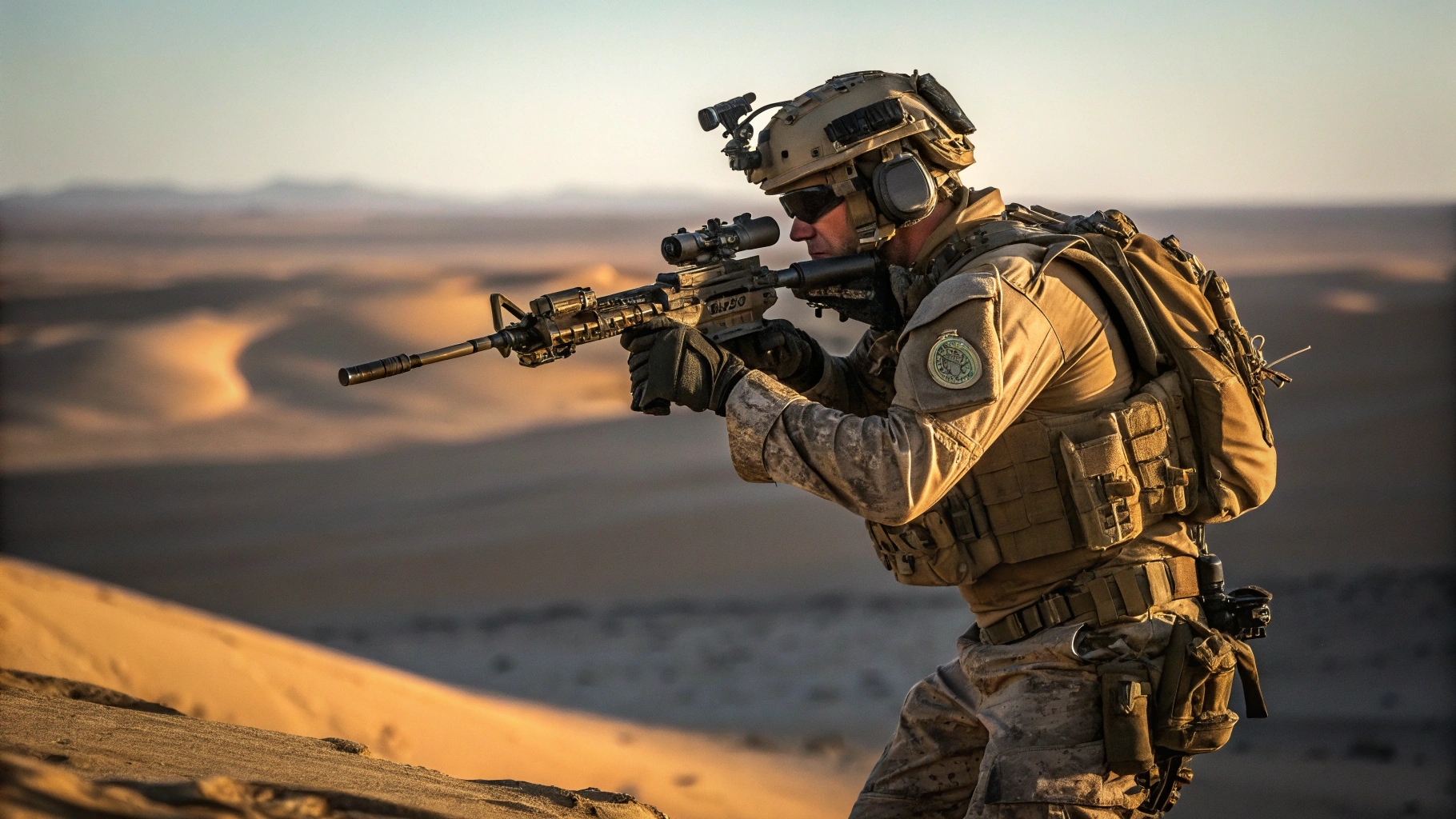

South Korea’s expanding interest in unmanned ground vehicles is being driven by a combination of military modernization and a shrinking pool of available soldiers. GlobalData has identified the decline in active-duty personnel as an important factor encouraging Seoul to explore robotic platforms for missions that would traditionally depend on human manpower.
The country had about 560,000 active-duty troops in 2019. By 2025, that figure had fallen to approximately 450,000. This reduction has increased the importance of technologies that can support military units without requiring a corresponding increase in personnel.
UGVs offer one possible solution. The vehicles can be assigned to support missions such as logistics, surveillance and mine clearance, reducing the need to expose soldiers to certain dangerous or repetitive tasks. They can also help units maintain operational capacity when manpower is limited.
According to GlobalData, South Korea is expected to invest roughly $140 million in ground robotics procurement through 2036. The forecast suggests that unmanned ground systems could become an increasingly important element of Seoul’s long-term defence planning.
The move is significant because UGVs are not being viewed simply as experimental technologies. Their potential roles cover practical military requirements, including moving supplies, monitoring areas and identifying or clearing mines. By assigning such missions to robotic platforms, South Korea could use its available soldiers more efficiently.
The investment also illustrates how demographic changes are influencing defence policy. A smaller pool of military personnel can create challenges for maintaining force structure and operational readiness. Robotics provides one way to address part of that challenge while allowing human troops to remain focused on tasks that require judgment and direct engagement.
South Korea’s plans therefore represent more than a technology upgrade. They indicate an effort to combine robotics with traditional military forces to maintain capability despite personnel constraints. If procurement continues as projected, UGVs could gradually become a more familiar component of South Korean military operations, particularly in support, reconnaissance and hazardous missions.