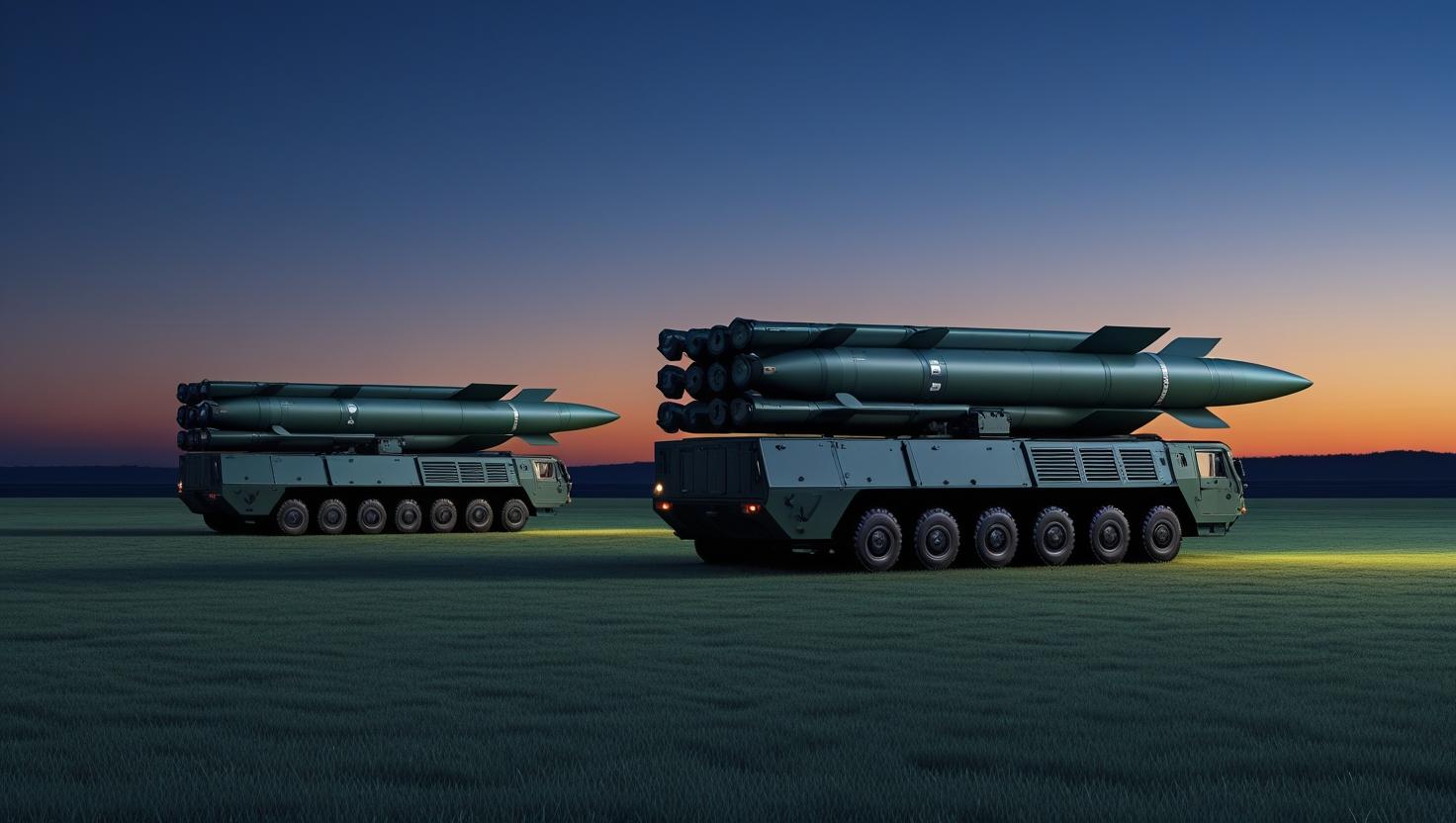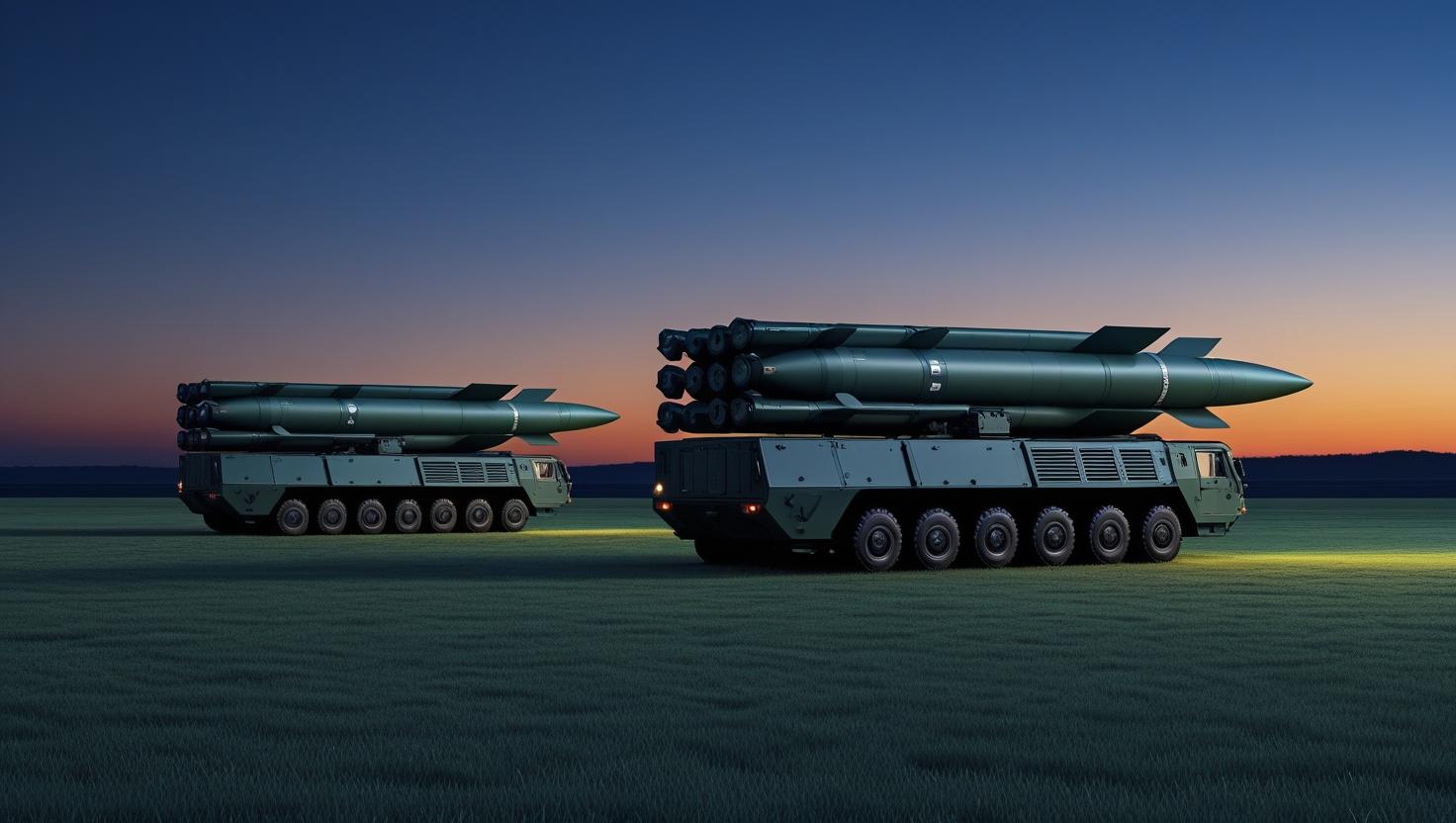

Kodiak Demonstration Highlights Lockheed Martin’s Push for Flexible Rocket LaunchersA new Lockheed Martin weapon concept has completed its first live-fire trial, demonstrating how GMLRS rockets could be deployed from a containerized launcher rather than a traditional rocket artillery vehicle.The system, known as Kodiak, was tested using a Reduced-Range Practice Rocket. The training munition is commonly used to help HIMARS and M270A2 MLRS crews practice firing GMLRS-family weapons.The significance of the demonstration lies in the launcher architecture. Kodiak is designed to package the rocket-launching capability inside a container, potentially allowing it to be integrated with platforms that lack the ability to carry a standard HIMARS- or MLRS-type launcher.This could provide armed forces with greater freedom when deciding where and how precision-fire systems are deployed. A containerized launcher could potentially be positioned on different types of platforms while retaining the ability to employ GMLRS ammunition.Lockheed Martin says the design can also offer economic and signature-related advantages. The company describes Kodiak as a cost-effective method of adding precision fires while maintaining a smaller profile than conventional mobile launch systems.The container can accommodate 12 GMLRS rockets, giving a single unit a substantial ammunition capacity. Multiple containers could also provide a modular way of increasing available firepower depending on operational requirements.Lockheed Martin’s containerization strategy extends beyond Kodiak. The company recently tested Grizzly, another containerized system designed to launch Joint Air-to-Ground Missiles for counter-drone missions.Together, the programs show the company’s effort to package different weapons into compact launch architectures. Such systems could offer military forces greater flexibility in deploying both offensive and defensive capabilities.With the first live-fire event completed, Kodiak has moved another step toward demonstrating its potential as an alternative precision-fire solution. Future evaluations will determine how effectively the system can be integrated with different platforms and operating concepts.