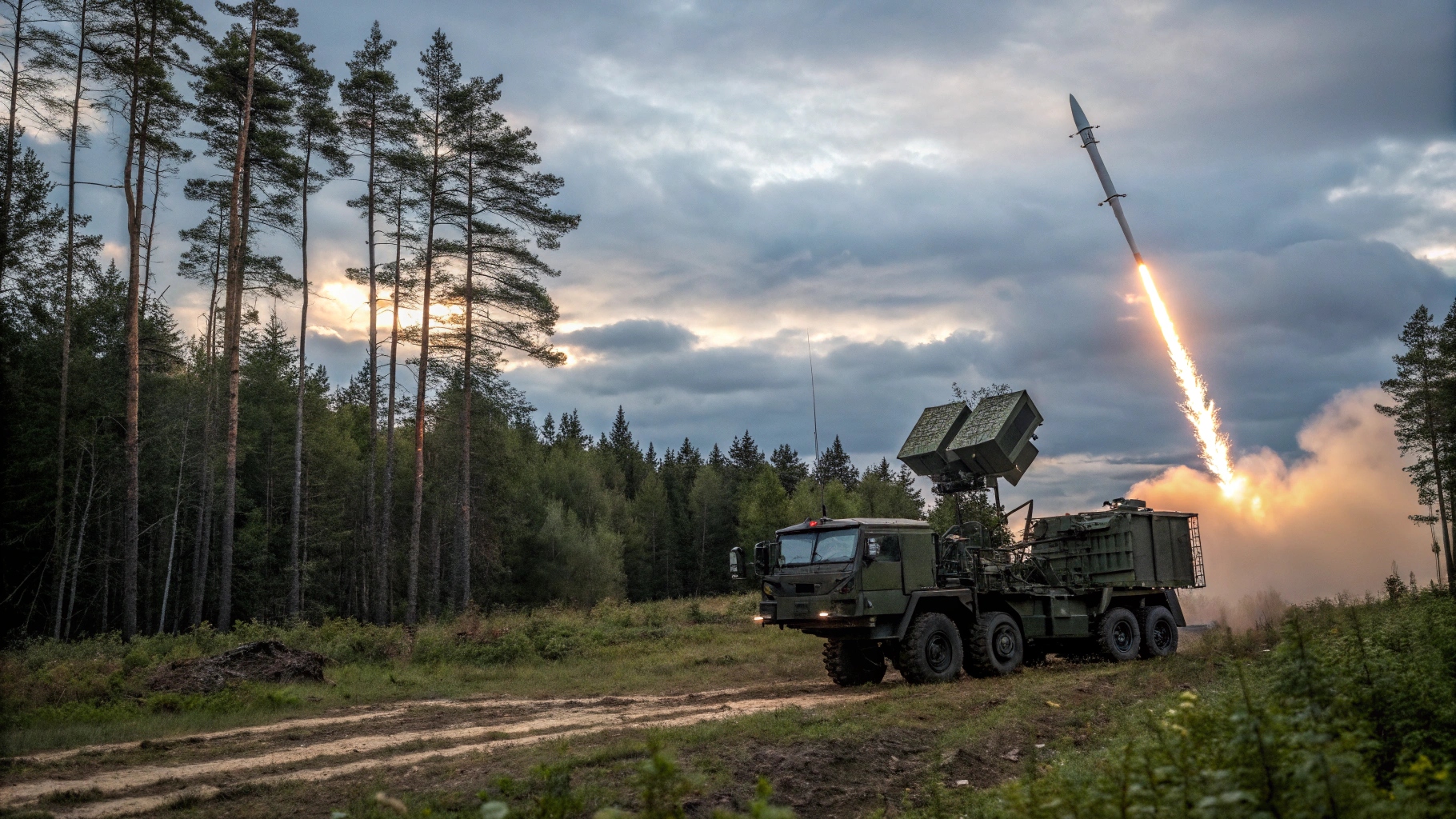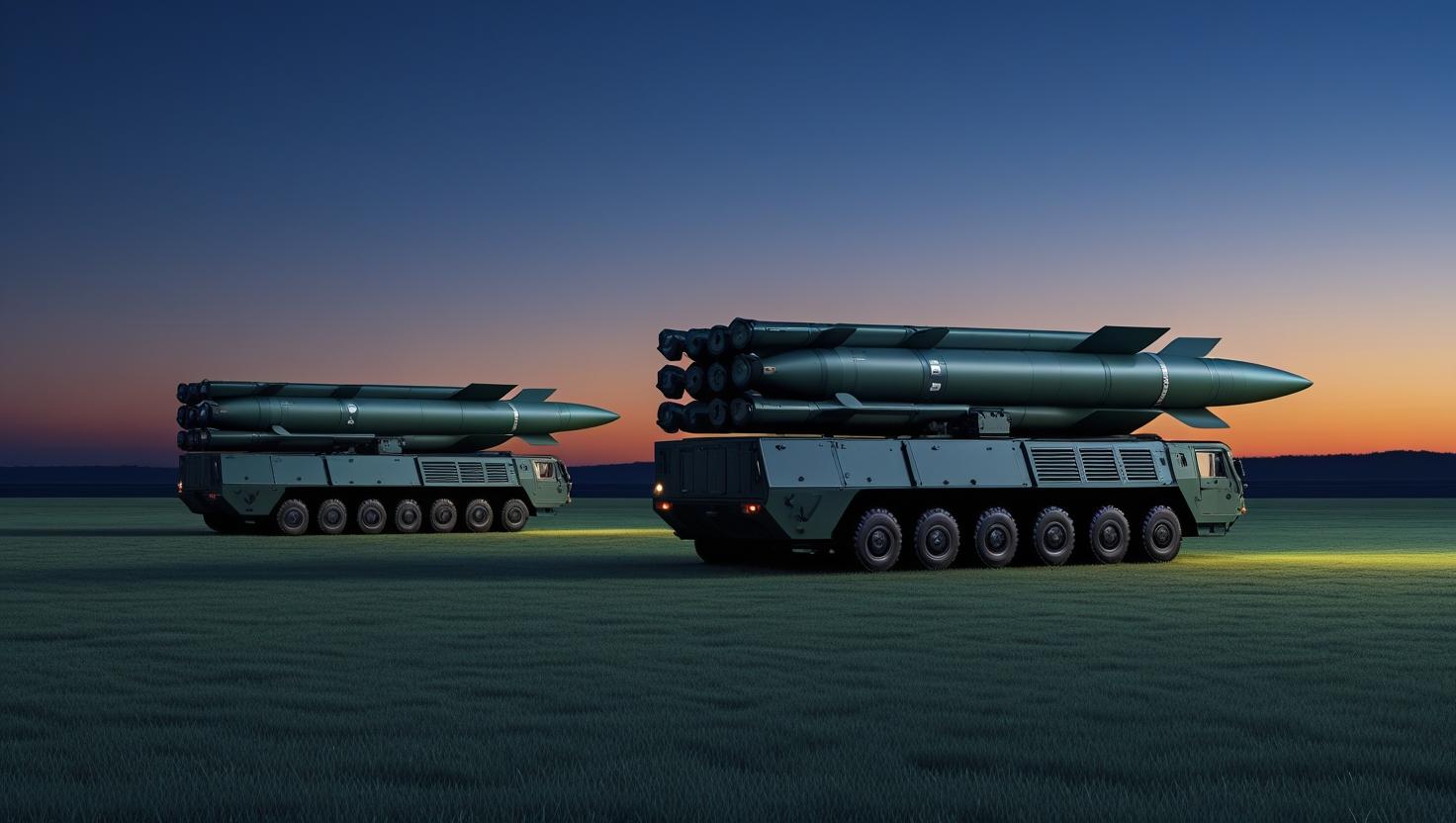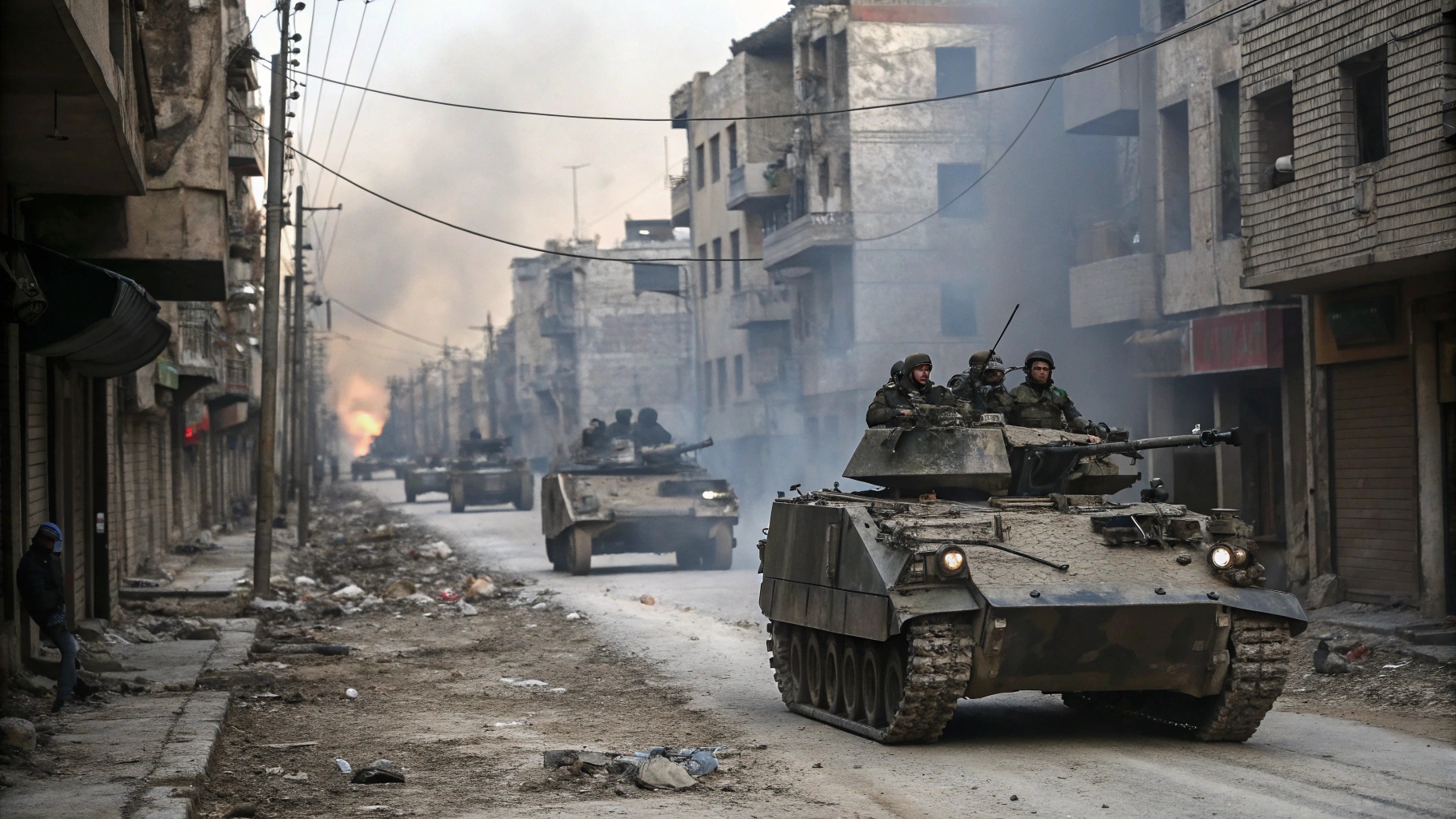

India’s missile inventory includes advanced systems such as BrahMos and the forthcoming LR-LACM, but there may be an operational gap between tactical weapons and expensive long-range strike systems. One possible solution would be a relatively low-cost subsonic cruise missile capable of reaching targets approximately 500 km away.
The proposed capability would serve a different purpose from BrahMos and LR-LACM. BrahMos is designed around high speed and advanced performance, while LR-LACM is intended for extended-range strategic strikes. Using either system against every target would not necessarily be economical during a prolonged conflict.
Many targets, including supply centres, ammunition storage sites, radar installations, bridges, fuel depots and secondary command facilities, could potentially be engaged with a simpler weapon. A lower-cost missile could therefore allow India to maintain a larger stockpile and conduct more sustained precision strikes.
Production volume is equally important. High-end cruise missiles use specialised propulsion, sophisticated electronics and complex supply chains. Scaling these systems rapidly can be difficult. A missile designed around modular construction and simplified manufacturing could potentially be produced at a much higher rate.
India’s expanding private defence sector could contribute to such a programme through propulsion, guidance, composite structures and autonomous flight technologies. Emerging compact turbofan projects could also offer a path toward greater indigenous engine availability.
Large numbers of relatively inexpensive missiles could have another operational effect: placing additional demands on enemy air-defence networks. Integrated air-defence systems rely on finite interceptor inventories. If defenders are required to engage repeated salvos, they may expend expensive interceptors against cheaper attacking weapons.
Once parts of an air-defence network are saturated or depleted, higher-value strike systems could potentially be used against priority targets with improved prospects of penetration. The lower-cost missile would therefore act as a force multiplier rather than a replacement for advanced systems.
The concept could also improve operational flexibility. Theatre commanders would have a more readily available precision-strike option for targets such as airfields, logistics nodes, troop concentrations and fuel facilities without using scarce strategic weapons.
A balanced inventory could consequently combine three layers: BrahMos for fast, high-value and heavily defended targets; LR-LACM for deep strategic missions; and a 500-km subsonic missile for high-volume tactical and operational strikes. The main advantage would be sustained precision-fire capacity rather than maximum individual missile performance.