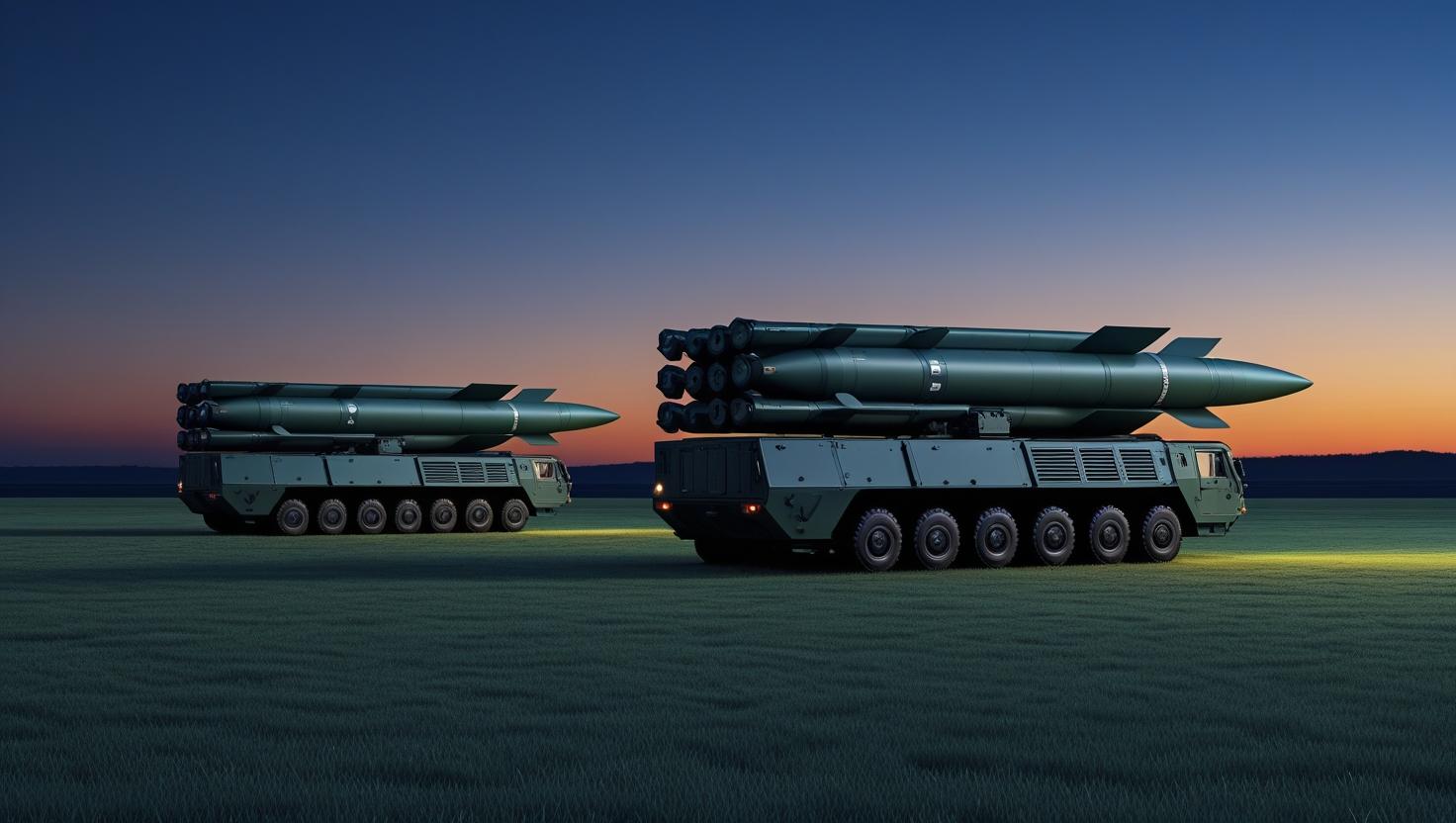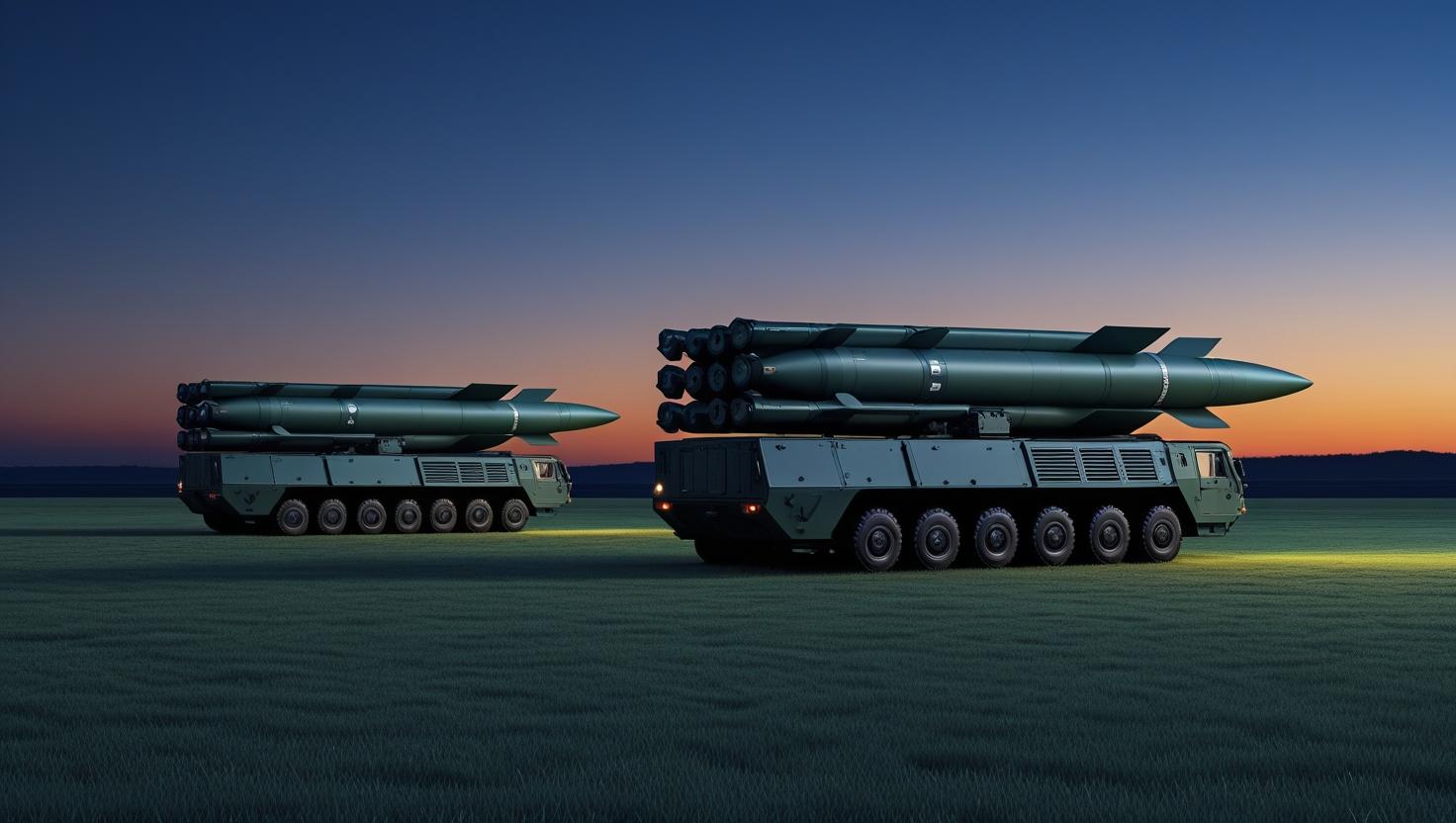

Lockheed Martin has secured a $1.08-billion US Army contract to develop the PAC-3 Edge, a next-generation interceptor intended to address increasingly advanced aerial and missile threats. Based on the proven PAC-3 MSE family, the missile is designed to deliver greater range, speed, operating altitude and maneuverability. The system was selected under the Army’s Future Interceptor program, with testing scheduled to begin in 2027 and operational deployment planned for 2031. The development effort will involve prototype construction and evaluations to determine whether the interceptor meets the Army’s operational needs. Funding will be shared between the US government, which will provide $660.4 million, and Lockheed Martin, which has committed $423 million. PAC-3 Edge is intended to strengthen integrated air and missile defence against aircraft, cruise and ballistic missiles, and hypersonic threats. It will be compatible with systems such as the Integrated Battle Command System, M903 and containerized launchers, and HIMARS Flex. Key technologies include a new seeker developed by Lockheed Martin and a three-pulse solid rocket motor supplied by Northrop Grumman. The propulsion system is expected to deliver precise thrust during different stages of flight, while improved control systems will support engagements at extended ranges and higher altitudes. Lockheed Martin has invested $250 million in its Strigo Product Center and intends to spend a further $800 million on seeker development. The interceptor will be manufactured in Camden, Arkansas, where an automated MSE production facility is being established to help triple output over seven years. The existing manufacturing line will later be modernised to support PAC-3 Edge production.