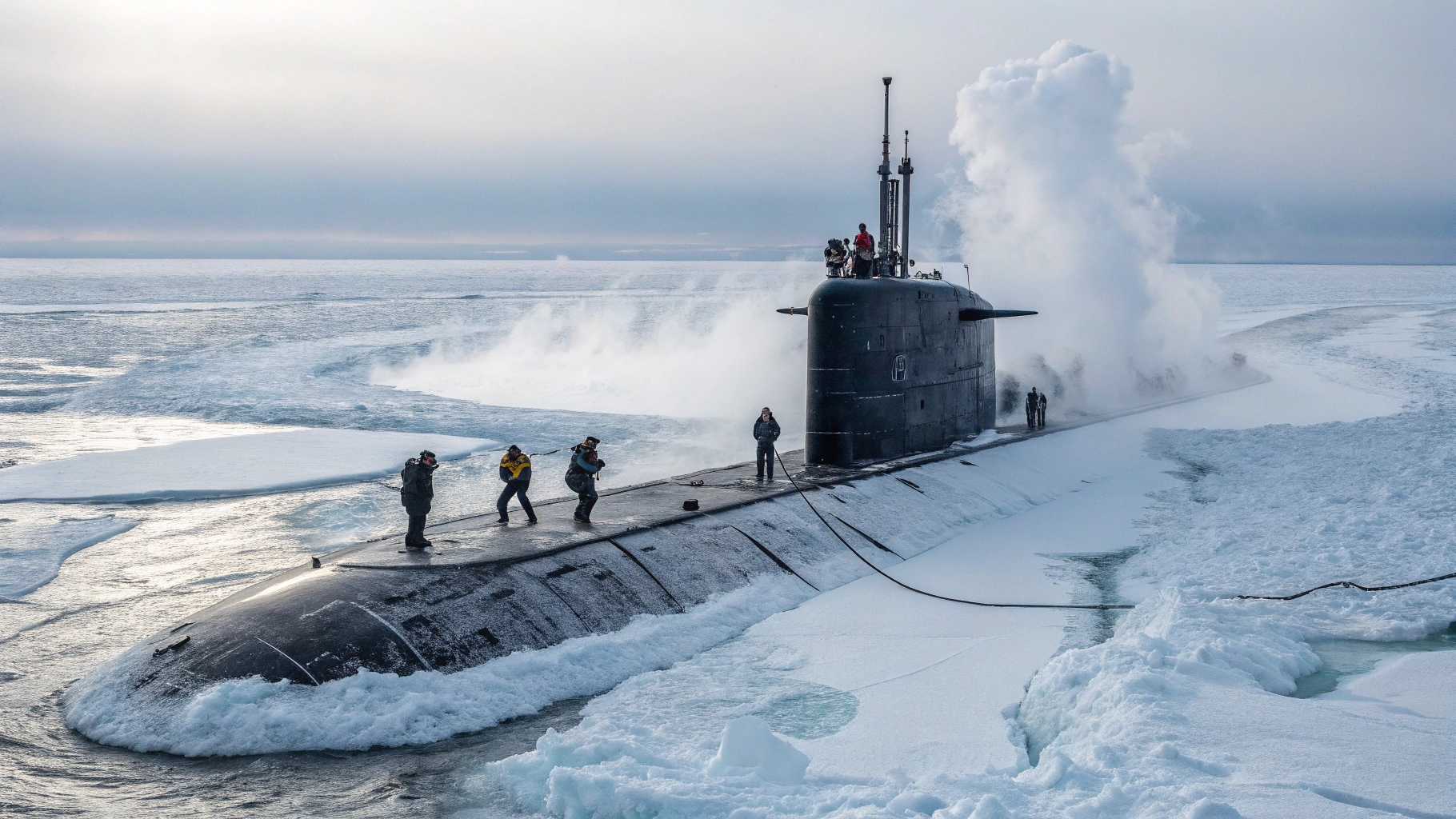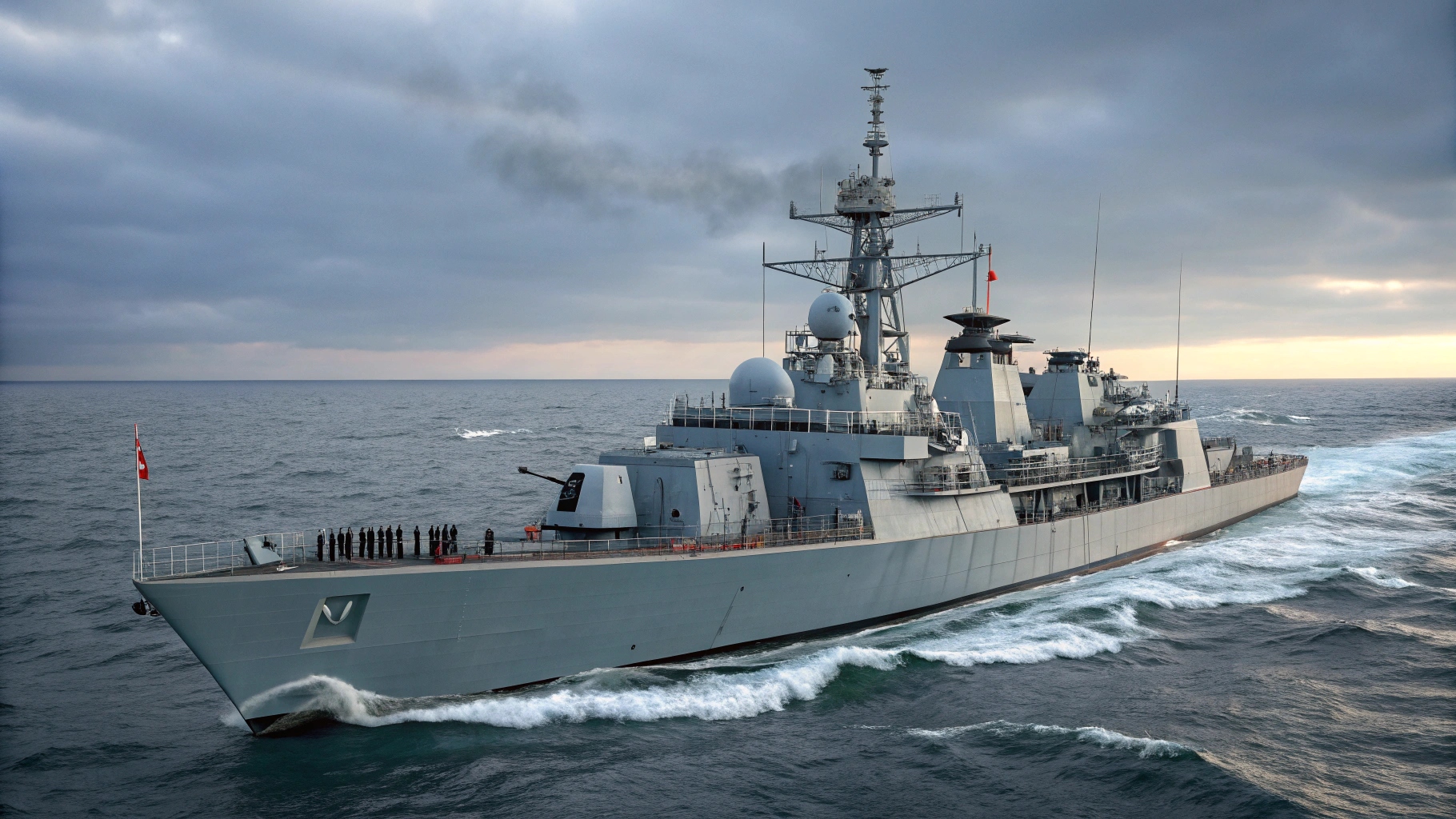

The strategic partnership between India and France, formally established in 1998, has developed into a broad relationship covering defence manufacturing, military exercises, maritime security, research, advanced technology, and space cooperation. Over almost three decades, the two countries have built a close defence relationship that also contributes to their shared interests in the Indo-Pacific region. One of the most important recent agreements was signed on 28 April 2025, when India and France concluded an Inter-Governmental Agreement for the purchase of 26 Rafale-Marine aircraft for the Indian Navy. The acquisition includes 22 single-seat carrier-based fighters and four twin-seat training aircraft and is valued at around ₹63,000 crore. In addition to the aircraft, the package provides weapons, simulators, training, supporting equipment, long-term logistics services, and additional equipment for the Indian Air Force’s existing Rafale fleet. Delivery is expected to begin in late 2028 or early 2029, with completion planned by 2030. The programme also includes important industrial commitments. Technology transfer will support the integration of Indian-developed weapons, while a domestic Rafale fuselage production facility and MRO infrastructure for engines, sensors, and weapons are expected to expand India’s aerospace industrial base. These initiatives are intended to strengthen self-reliance and create long-term domestic support capabilities. The naval Rafale incorporates modifications required for aircraft-carrier operations, including reinforced landing gear, an arrestor hook, and a launch-bar-equipped nose landing gear. These features enable carrier take-offs and arrested landings while supporting a range of missions such as maritime attack, fleet air defence, reconnaissance, and strikes against land targets. India will be the first international operator of the Rafale-Marine outside France. The purchase also builds on the earlier 2016 agreement for 36 Rafale fighters for the Indian Air Force. Sharing a common aircraft family across the two services is expected to improve training, maintenance, logistics, and joint operational coordination. Submarine construction under Project-75 provides another example of the defence-industrial relationship. Six Kalvari-class Scorpene submarines were built at Mazagon Dock Shipbuilders Limited in Mumbai with France’s Naval Group. The fleet consists of INS Kalvari, INS Khanderi, INS Karanj, INS Vela, INS Vagir, and INS Vagsheer. The project has helped India develop domestic submarine construction skills and strengthen its naval manufacturing industry. Bilateral military exercises further reinforce the partnership. Varuna, which originated from naval interactions in 1993, has become a major maritime exercise involving surface warships, submarines, maritime patrol aircraft, carrier battle groups, and fighter jets. Its activities are designed to improve interoperability and readiness between the two navies. Exercise Garuda supports air force cooperation through joint participation by fighter aircraft, transport platforms, and airborne warning and control systems. Exercise Shakti provides opportunities for Indian and French army personnel to share experience in counter-terrorism operations, battlefield tactics, and combat procedures in different environments. The two countries also cooperate closely on maritime security and support a free, open, inclusive, and rules-based Indo-Pacific. Information sharing and collaboration with the Information Fusion Centre for the Indian Ocean Region contribute to Maritime Domain Awareness. Their activities also include the French-led La Pérouse exercise, naval port visits, personnel exchanges, and operational engagements. Joint efforts address piracy, illegal fishing, maritime terrorism, and other threats to regional sea lanes. In the space sector, ISRO and France’s CNES collaborate on Earth observation, navigation, launch support, and Space Situational Awareness. The TRISHNA satellite mission, whose full name is Thermal infraRed Imaging Satellite for High-resolution Natural Resource Assessment, is a major joint project. It is expected to deliver high-resolution thermal imagery for environmental observation, water-resource management, and climate-related research, with launch preparations directed towards 2027. Cooperation also covers orbital debris monitoring, space-operation safety, satellite infrastructure, and scientific research. Defence technology development is supported by working groups between India’s DRDO and France’s Direction Générale de l’Armement. These groups explore joint development and production opportunities in artificial intelligence, cybersecurity, advanced propulsion, and other emerging technologies. Such collaboration complements India’s efforts to expand domestic defence manufacturing and reduce reliance on foreign equipment and expertise. Regular high-level discussions, including the annual Defence Ministerial Dialogue, provide strategic direction for future military, industrial, and technological cooperation. The relationship’s growing operational dimension was demonstrated on 29 October 2026, when a Rafale-Marine fighter completed its maiden landing and subsequent take-off aboard INS Vikrant. The trials are intended to confirm compatibility with the carrier’s Short Take-Off But Arrested Recovery system and follow earlier testing at the Shore Based Test Facility at INS Hansa in Goa. The successful event represents an important step towards the aircraft’s eventual induction into the Indian Navy and further strengthens the expanding India–France defence partnership.