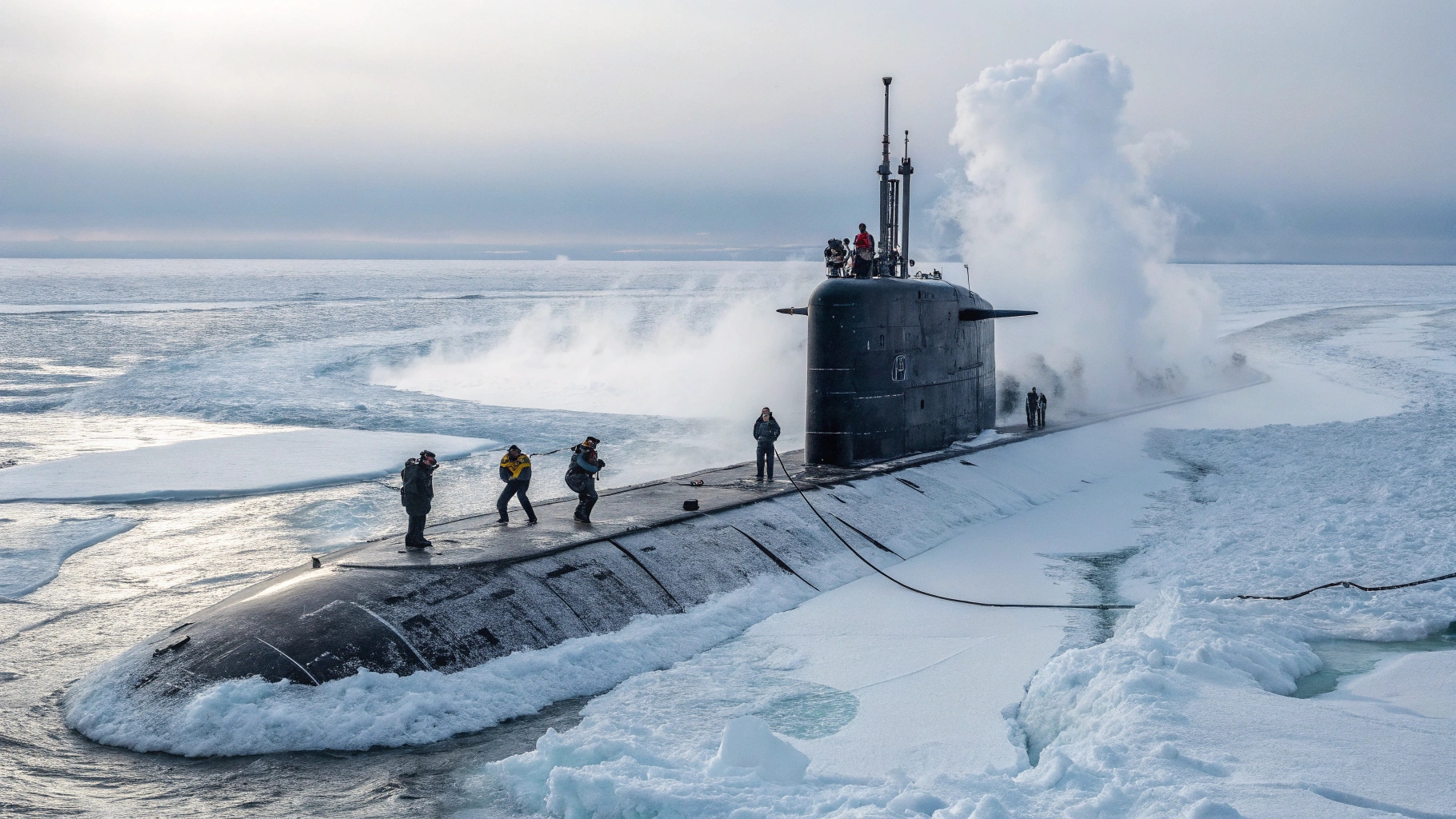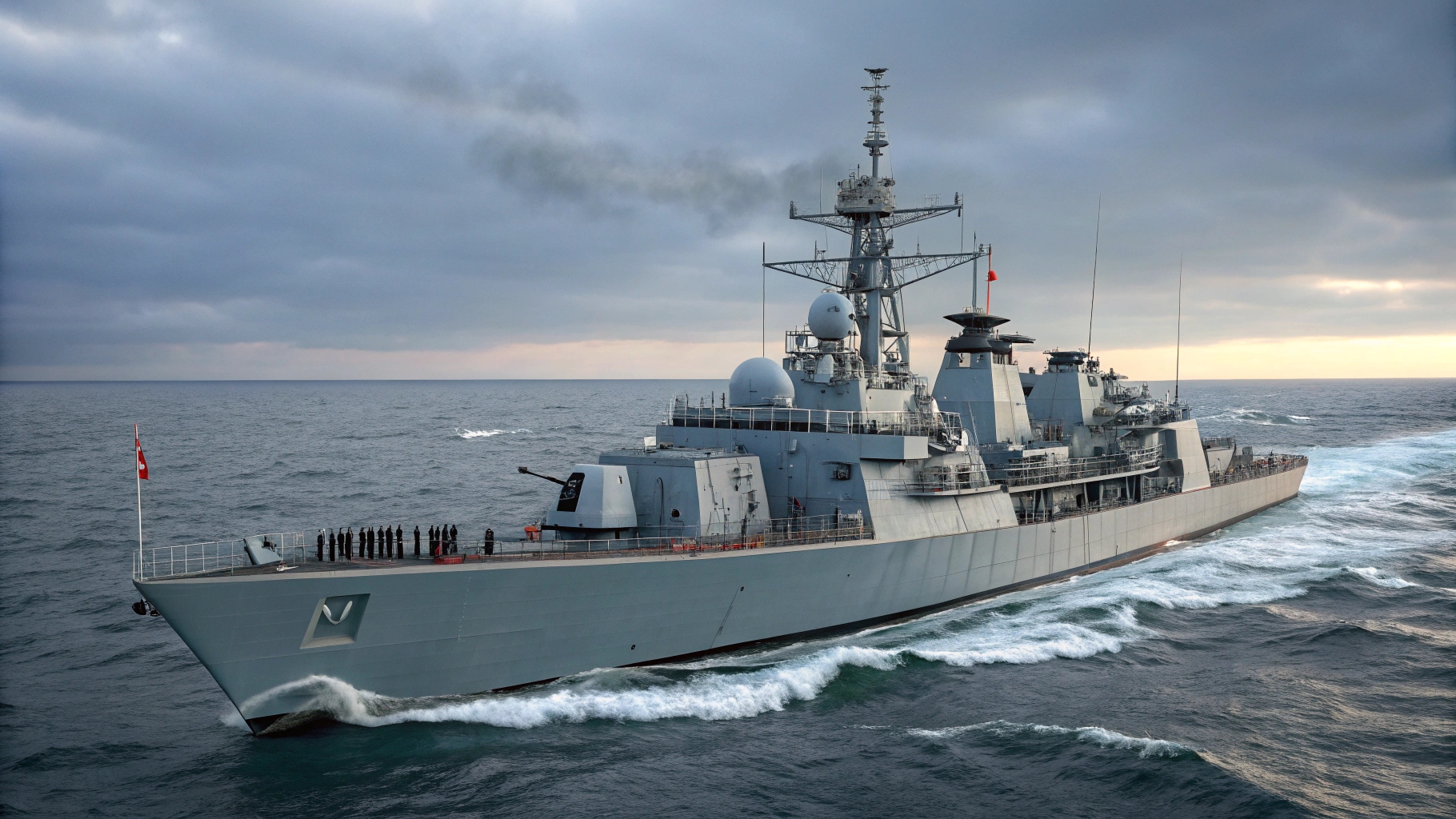

The Taigei class is Japan’s latest generation of diesel-electric attack submarines and an important component of the Japan Maritime Self-Defense Force’s maritime strategy. Designed as a successor to the Soryu class, it introduces quieter operating features, improved sonar and combat systems, and lithium-ion batteries that extend the time it can remain underwater. Reduced snorkelling requirements can make the submarine harder to detect. Its missions include maritime surveillance, intelligence gathering, anti-submarine and anti-surface warfare, and protection of important shipping routes in the East China Sea, Philippine Sea and wider Indo-Pacific.
**Evolution of the Class:** Japan’s submarine modernisation programme drew on experience with the Soryu class, which initially relied on air-independent propulsion to increase submerged endurance. The final two Soryu-class submarines adopted lithium-ion batteries as the JMSDF explored their benefits, including greater energy storage, quicker recharging and operational flexibility. The Taigei was designed from the outset around large-capacity lithium-ion batteries rather than a traditional AIP arrangement.
Work on the lead submarine began in 2018, with Mitsubishi Heavy Industries and Kawasaki Heavy Industries sharing construction. JS Taigei entered service in 2022 and was redesignated SSE-6201 as a test submarine in 2024. Other vessels include JS Hakugei, JS Jingei, JS Raigei and JS Chogei, while additional boats are planned or being built.
**Operational Systems:** The submarine’s sensors include bow sonar, flank arrays and a fibre-optic towed array to improve underwater detection. An upgraded combat management system helps process contacts and support weapons coordination. Its stealth measures include hull redesign, improved acoustic insulation, floating deck structures and sound-reducing materials. The X-shaped stern control arrangement supports manoeuvrability in confined or shallow waters. Lithium-ion propulsion, improved automation and accommodation provisions for mixed-gender crews are further features of the class.
**Constraints and Strategic Importance:** Despite its advanced conventional design, the Taigei cannot match the submerged endurance of nuclear-powered submarines because its diesel generators require periodic access to air for battery charging. Its sophisticated propulsion and sensor systems also contribute to a reported unit cost of around 70 billion yen ($444 million). The class remains in Japanese service and has not been broadly marketed internationally. Even so, its battery and acoustic technologies may shape future submarine designs. As regional naval competition increases, the Taigei is expected to remain an important element of Japan’s undersea deterrence and maritime defence posture.