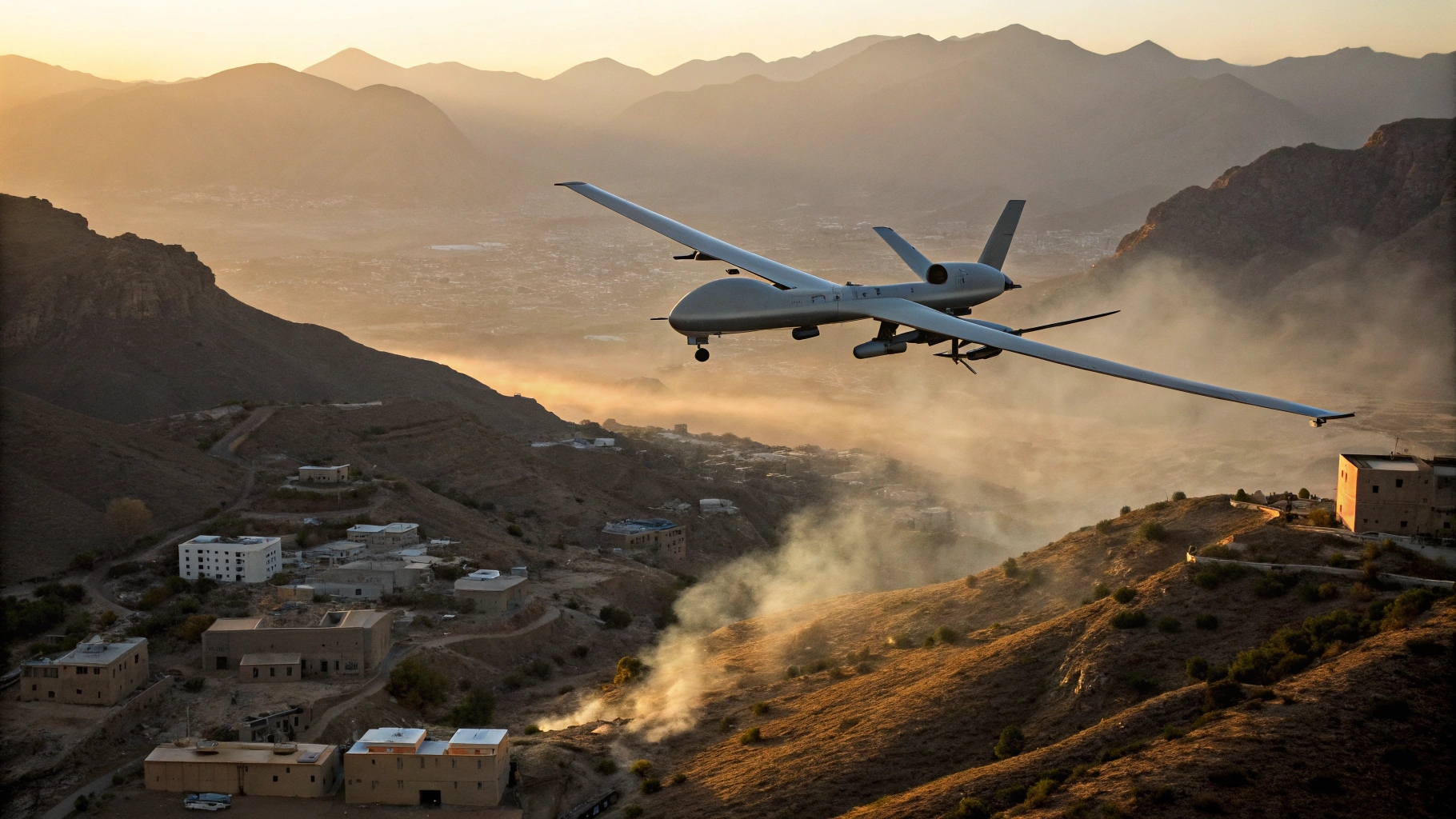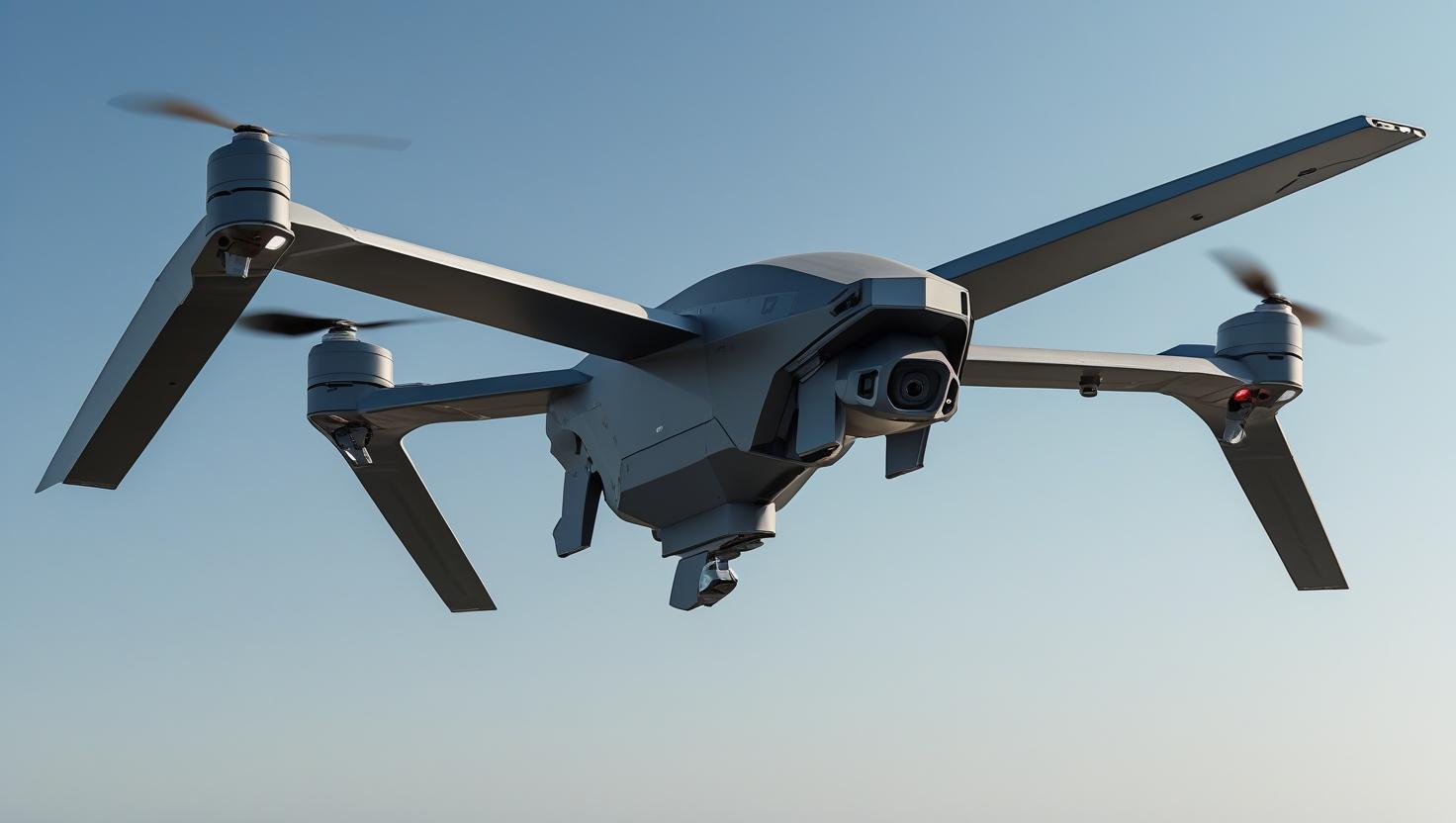

India has taken another major step in modernising its armed forces, with the Defence Acquisition Council approving capital procurement proposals worth approximately ₹2.12 lakh crore. Chaired by Defence Minister Rajnath Singh, the council’s approvals are expected to source around 82 percent of the proposed acquisitions from Indian companies, reinforcing the country’s domestic defence manufacturing ambitions. The decisions have been issued as Acceptance of Necessity, which marks the beginning of the procurement process and precedes tendering and contract awards. The Army’s proposed equipment purchases are shaped by changing battlefield conditions and the need to improve long-range strike capability, unmanned warfare, air defence, counter-drone protection, and operational mobility. The list covers kamikaze drones, surveillance UAVs, an Integrated Surveillance and Strike System, long-range unmanned aerial systems, vehicle-mounted counter-drone systems, VSHORADS, Light Multi-Role Helicopters, tracked self-propelled artillery, High Mobility Vehicles, and Gun Shot Response Systems. Operation Sindoor has contributed to the Army’s assessment of future operational needs. Its reported long-range engagements demonstrated the value of striking important targets without crossing international borders. The planned acquisitions aim to develop a permanent sensor-to-shooter capability, linking surveillance, tracking, and precision engagement across extended distances. On the western border, mechanised units operating in Rajasthan and Punjab need artillery that can move alongside advancing formations. Self-Propelled Tracked Gun Systems are intended to provide this mobile fire support. Traditional towed artillery faces increasing risks from surveillance drones and weapon-locating radars, which can identify firing positions and enable rapid counter-battery attacks. Tracked artillery can reposition shortly after firing, reducing the time it remains exposed. The Indian Army’s experience with the K9 Vajra has demonstrated the advantages of highly mobile artillery, and expanding this capability could improve fire support for offensive formations. The proposed Gun Shot Response System is intended to improve threat detection along the Line of Control and in counter-infiltration areas of Jammu and Kashmir. Acoustic sensors can help determine the location of sniper and small-arms fire within seconds, giving troops faster information about hostile firing positions. In the northern sector, the ability to move personnel and supplies remains a critical operational requirement. Despite improvements in road infrastructure near the Line of Actual Control, helicopters continue to provide essential access to remote posts and difficult mountain locations. The planned Light Multi-Role Helicopters will address the need to replace the Army’s ageing Cheetah and Chetak fleets, which have supported high-altitude operations since the 1970s. Their expected roles include reconnaissance, surveillance, combat support, troop transportation, search and rescue, and humanitarian missions in areas including Siachen and eastern Ladakh. High Mobility Vehicles will provide additional support for troop movement, logistics, and transportation of supplies across different terrain. For the Air Force, the package includes Mobile X-Band Doppler Weather Radar Systems to improve weather monitoring at forward locations. Areas such as Ladakh, Daulat Beg Oldie, Nyoma, and Arunachal Pradesh frequently experience changing weather that can restrict flight operations. More accurate local forecasts and real-time meteorological information are expected to improve aircraft availability and sortie generation. The Army’s unmanned warfare plans form another central part of the package. Surveillance drones, long-range unmanned systems, Integrated Surveillance and Strike Systems, and kamikaze platforms are expected to create a connected reconnaissance and attack architecture. This network could support continuous monitoring, target acquisition, damage assessment, and precision strikes, giving the Army greater independence in engaging high-value targets. The increasing use of loitering munitions in Ukraine, the Caucasus, and West Asia has further influenced procurement priorities. Such systems reportedly played a role in suppressing air-defence assets during Operation Sindoor and supporting follow-on operations. Long-range kamikaze drones can also provide a relatively low-cost option for attacking radar sites, command facilities, supply hubs, and missile launchers. The growing threat from inexpensive FPV drones and loitering munitions against tanks and other armoured vehicles is also being addressed. Platform-based counter-UAS systems are intended to offer integrated protection against aerial threats, reducing dependence on temporary protective modifications. VSHORADS will strengthen the Army’s close-range air-defence layer by engaging small and low-flying targets. They will complement systems such as Akash, MRSAM, and S-400, providing frontline troops with protection against helicopters, drones, and low-altitude loitering weapons. The overall modernisation package points to a battlefield strategy increasingly shaped by unmanned platforms, precision engagement, electronic warfare, continuous surveillance, and faster operational decision-making. Alongside improving military capabilities, the approvals are expected to provide a major boost to India’s indigenous defence industry.