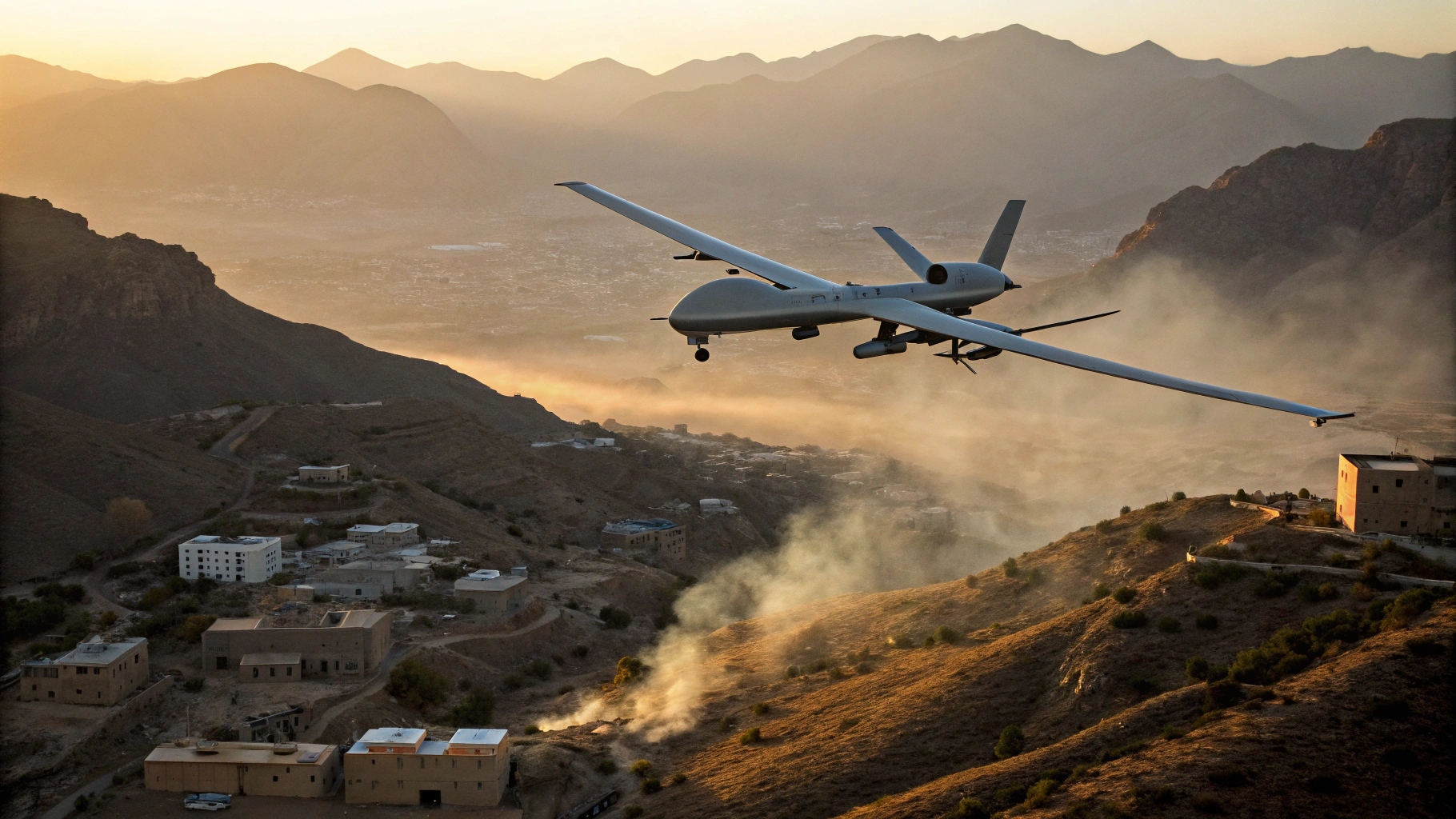
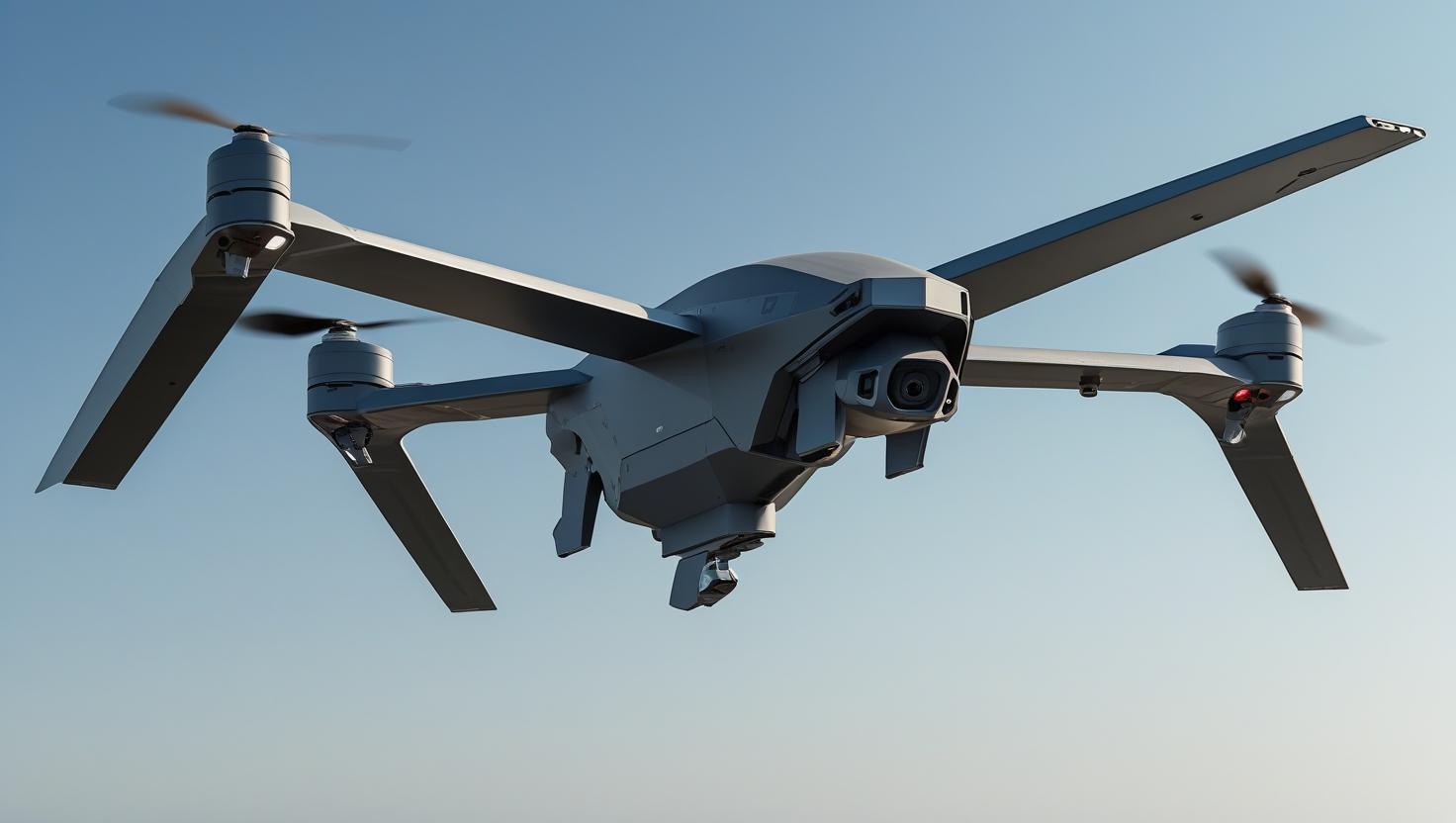
The Hermes series of unmanned aerial vehicles has become a major part of global surveillance and reconnaissance operations. Developed by Israeli defence company Elbit Systems, the Hermes family consists of medium-altitude, long-endurance drones designed mainly for intelligence gathering, surveillance, target acquisition, and reconnaissance missions. The first major platform, the Hermes 450, entered service in 1998 and quickly gained popularity because of its endurance, low operational cost, and modular design. Elbit later expanded the program with the Hermes 900 in 2009, a larger UAV capable of flying above 30,000 feet with endurance exceeding 30 hours. More recently, the Hermes 650 was introduced as a next-generation platform offering greater mission flexibility and survivability. The Hermes family includes different variants suited for varying operational needs. The Hermes 450 is widely used for tactical surveillance missions, while the Hermes 900 supports high-endurance strategic operations. The Watchkeeper WK450, developed in partnership with the UK, further expanded the family’s international use. These drones are remotely operated from ground stations but can independently perform takeoff, navigation, and landing through autonomous systems. Equipped with advanced payloads such as electro-optical cameras, infrared systems, radar, and electronic intelligence sensors, Hermes drones provide continuous situational awareness across different environments. Their long flight endurance and relatively lower operating cost make them highly effective for sustained operations such as border monitoring, maritime patrol, counterterrorism, and disaster response. However, the platforms have limitations, including vulnerability to electronic warfare and lack of stealth capability in contested airspace. Countries including Israel, Brazil, Switzerland, Serbia, Singapore, Thailand, and the Philippines currently operate Hermes drones. The systems have also seen deployment in conflict zones such as Gaza and Afghanistan. As military operations become increasingly data-driven, the Hermes family is expected to evolve further with AI-based analytics, enhanced communications, and stronger autonomous capabilities.