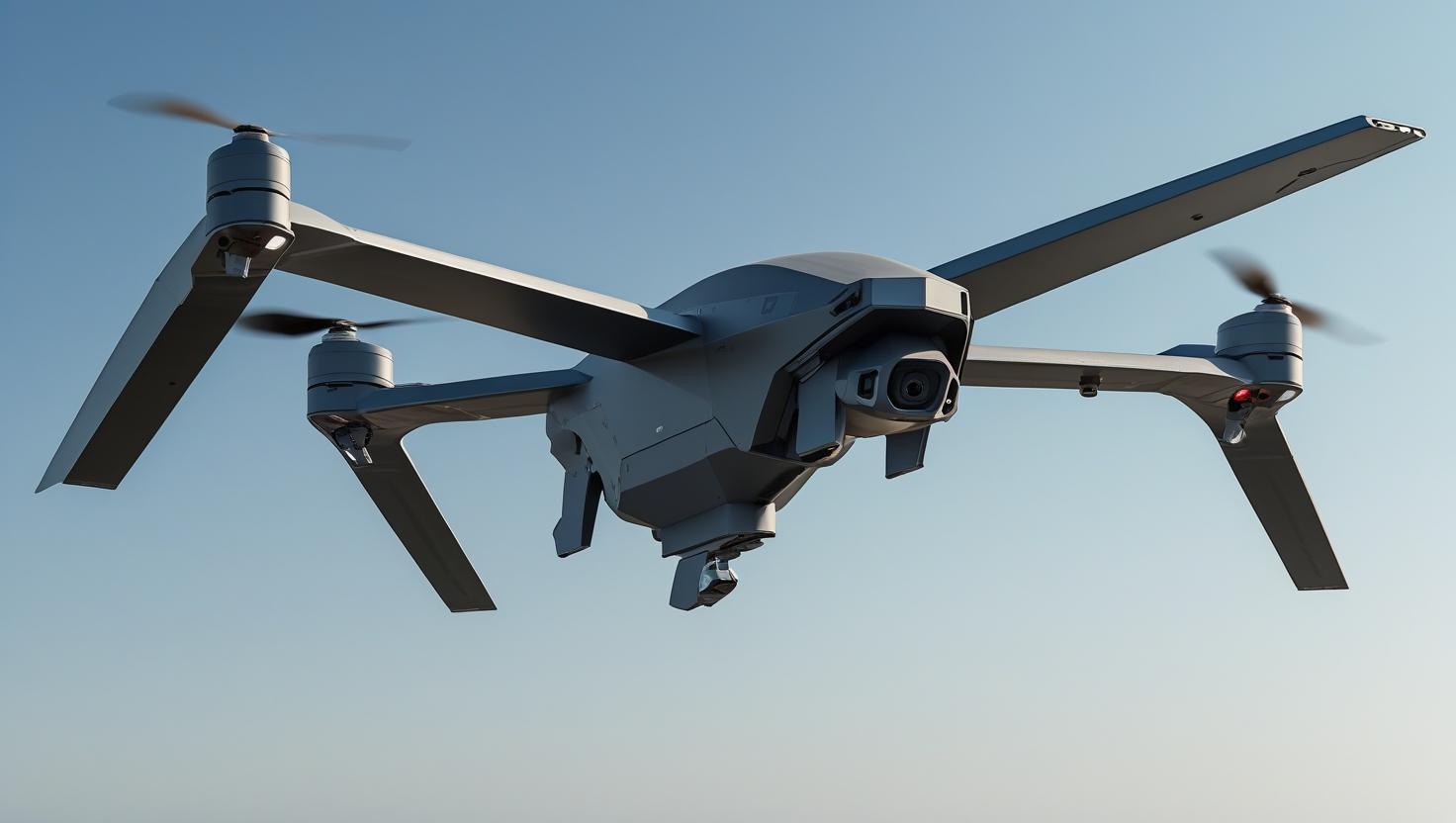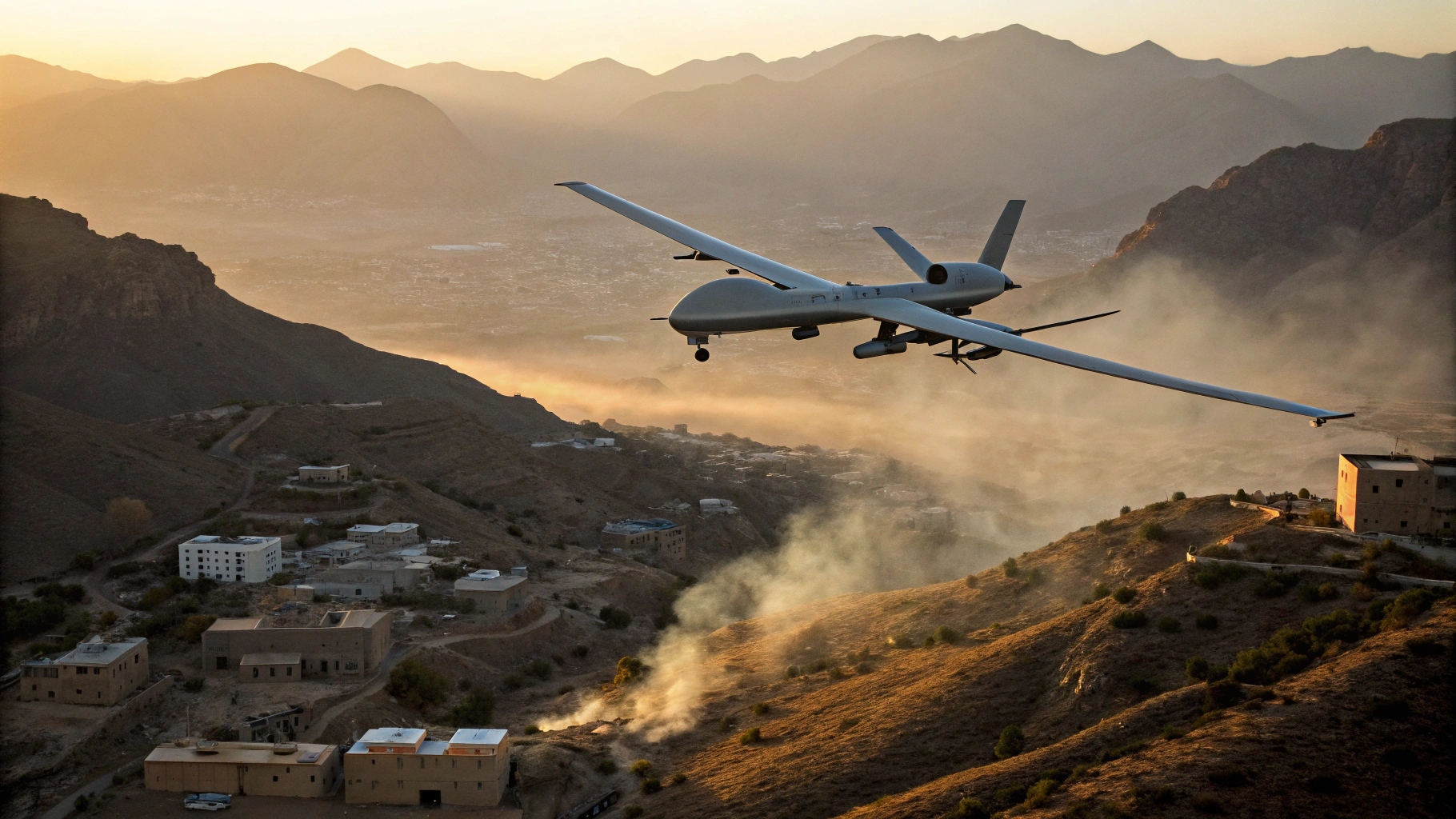

DRDO’s Aeronautical Development Establishment (ADE) is expanding and modernising its infrastructure to improve India’s ability to develop indigenous aircraft and UAVs. The latest projects cover both precision manufacturing and advanced ground-based simulation, two areas that are essential before new aircraft enter developmental flight testing.
The upgrades are intended to support programmes such as autonomous UAVs, unmanned combat platforms and the Advanced Medium Combat Aircraft (AMCA). These systems depend on accurate component manufacturing as well as rigorous validation of their flight-control systems.
One important part of the programme is the improvement of Tooling, Assembly and Machining Systems. ADE plans to retrofit existing multi-axis CNC machines with enhanced capabilities. The upgraded equipment will allow engineers to manufacture complex aerospace parts with much tighter tolerances.
Manufacturing improvements are being accompanied by upgrades to metrology and inspection facilities. High-precision measurement is important when producing composite airframe components, flight-control actuators and structures where accuracy is critical. Better calibration equipment will also support work involving titanium alloys and advanced composites.
These materials are widely valued in military aviation because they combine strength with relatively low weight and can provide useful corrosion and signature-management characteristics. Better production infrastructure should therefore allow ADE to build prototypes more efficiently while retaining strict quality controls.
ADE is also enhancing the Flight Control System Integration Complex in Bengaluru. The seven-storey facility is designed to test fly-by-wire and autonomous flight technologies on the ground. Its simulation laboratories allow engineers to evaluate flight-control software before it is installed on an aircraft.
The facility uses Hardware-in-the-Loop testing, in which actual flight-control computers, sensors, actuators and avionics are connected to simulated aircraft environments. This creates a realistic test setting without requiring an aircraft to fly. Problems can consequently be identified earlier in development.
Iron Bird rigs provide another level of testing by reproducing an aircraft’s flight-control architecture on the ground. Hydraulic actuators, electronic control computers and mechanical surfaces can be integrated so engineers can study how different systems interact.
Pilot-in-the-loop simulators further allow test pilots to assess handling qualities and flight-control laws. Engineers can use pilot feedback and simulated aircraft responses to refine software before flight trials.
Together, the manufacturing and simulation upgrades strengthen ADE’s wider development ecosystem. They should improve India’s ability to prototype, validate and reduce development risks for future military aircraft and autonomous systems.