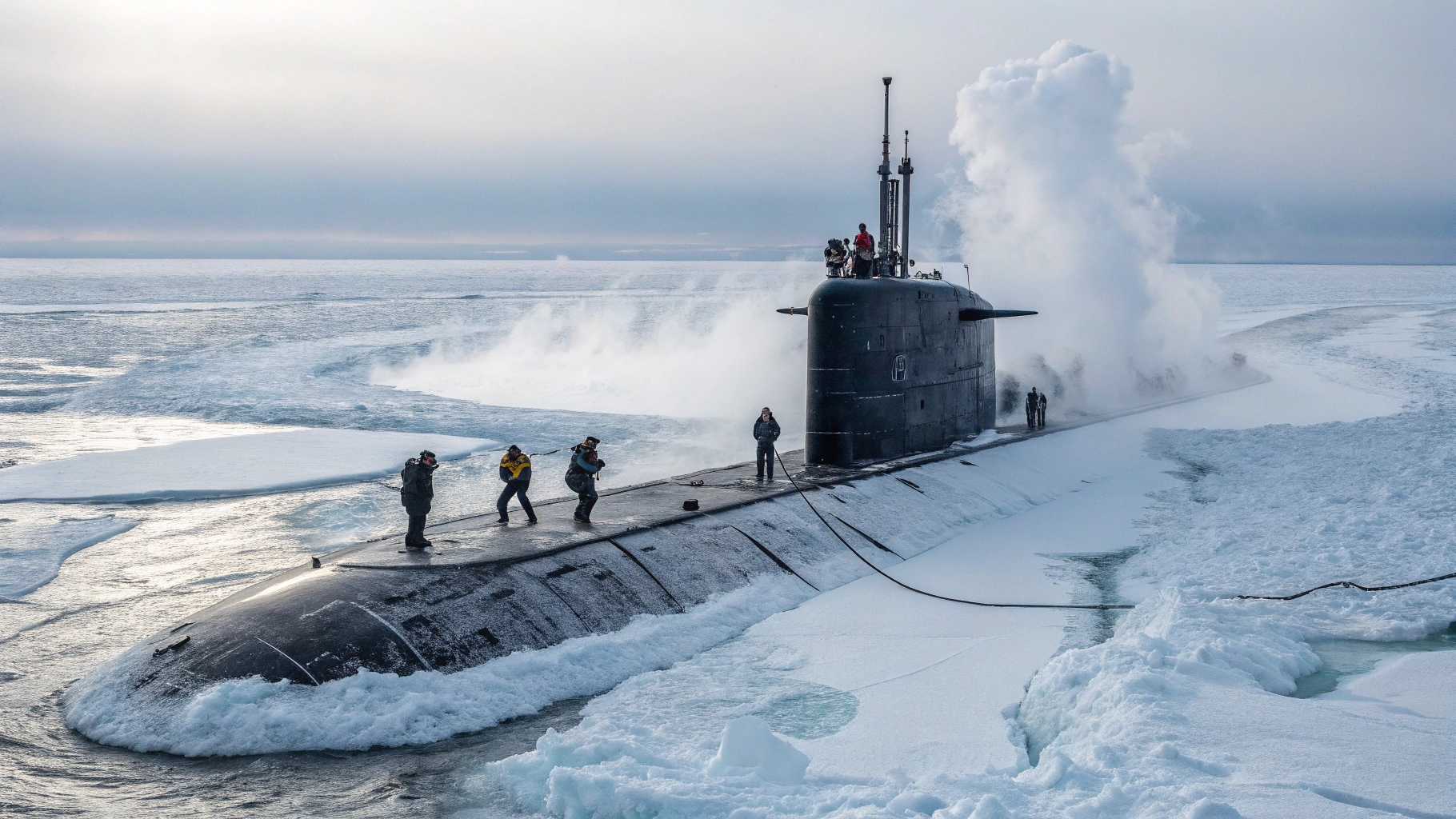

The indigenous submarine propulsion programme being developed by DRDO has entered another significant phase, following the launch of Setting to Work Phase-2 for India’s Air Independent Propulsion system. The technology is intended to give the Indian Navy’s conventional submarines greater underwater endurance and improved survivability by reducing their reliance on atmospheric oxygen and frequent battery-recharging operations. The AIP Energy Module has been developed by DRDO’s Naval Materials Research Laboratory. Its hydrogen fuel-cell-based technology is designed to generate power while a submarine remains underwater, reducing the need to surface or use a snorkel and thereby limiting exposure to potential detection. The latest programme milestone was marked at Larsen and Toubro’s AM Naik Heavy Engineering Complex in Hazira, Gujarat. Defence Secretary and DRDO Chairman Rajesh Kumar Singh joined the inauguration virtually. Vice Admiral B. Sivakumar, the Navy’s Chief of Materiel, and R. Balamuralikrishnan, DRDO Director General for Naval Systems and Materials, were among the senior officials present at the facility. Under STW-2, engineers will energise the module for power generation and carry out a comprehensive series of tests in line with Navy requirements. If testing is completed successfully, the system will be transferred to Mazagon Dock Shipbuilders Limited for integration into a Kalvari-class submarine in early 2027. This retrofit is expected to enhance the operational performance of the Navy’s Scorpene-derived submarine fleet. Diesel-electric submarines traditionally operate on batteries when submerged and periodically require diesel generators to recharge them. Air Independent Propulsion provides an alternative by producing energy without relying on atmospheric oxygen, allowing submarines to remain underwater for extended periods and operate more discreetly. Singh praised the scientists, engineers and industry partners involved in the programme and recognised the Navy’s contribution to successive rounds of testing and validation. He also emphasised the need to sustain progress towards induction while maintaining strict safety practices for hydrogen and fuel-cell systems. The development represents a major step in India’s effort to build critical naval technologies domestically. Once integrated and operational, the system is expected to improve the stealth, endurance and mission flexibility of Kalvari-class submarines, strengthening the Navy’s ability to conduct surveillance, deterrence and combat operations across the Indian Ocean Region.