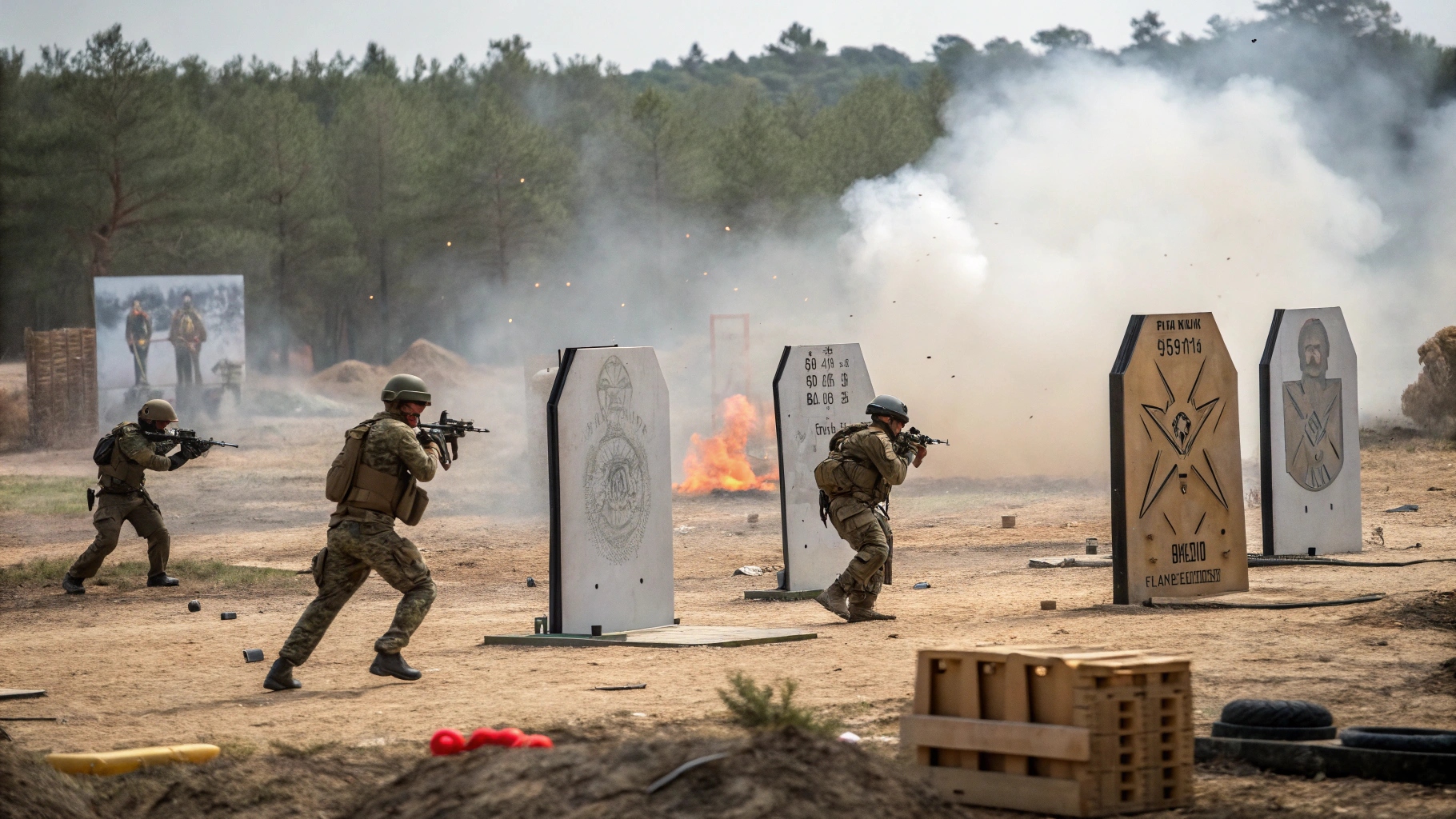

The Ministry of Home Affairs and the Indian Army are launching a joint effort to strengthen India’s Civil Defence capabilities through structured training, improved coordination and modern emergency-response practices. The initiative is designed to prepare volunteers and local authorities for evolving security challenges, large-scale disasters and threats to critical infrastructure. It supports the vision outlined by Prime Minister Narendra Modi in his Independence Day address on 15 August 2026, when he called for a technologically advanced and contemporary Civil Defence system. The first phase will be implemented by the Directorate General of Fire Services, Civil Defence and Home Guards in collaboration with the Indian Army. A three-day specialised course will prepare 600 Civil Defence Master Trainers at designated Army training establishments, with completion targeted for the second week of November 2026. The pilot will involve 12 states and Union Territories: Jammu and Kashmir, Punjab, Rajasthan, Gujarat, Delhi, Meghalaya, Sikkim, Assam, Uttar Pradesh, Kerala, Karnataka and Tamil Nadu. Each participating region will contribute 50 trainees. The curriculum is divided into three principal modules. Threat awareness will cover hybrid and modern warfare, drones and air-raid threats. Protection and emergency response will address fire safety, infrastructure security, CBRN awareness, casualty handling, and search-and-rescue procedures. Communication and coordination training will include emergency communication systems, cyber hygiene, digital resilience, civil-military cooperation and incident command. A key element is the programme’s multiplier-based training structure. After completing the course, each Master Trainer is expected to train 100 Civil Defence volunteers within their respective region. The MHA estimates that this could expand the programme’s reach to approximately 60,000 volunteers, significantly increasing the availability of trained personnel for emergencies. The government expects the partnership to combine military expertise with civilian volunteer capacity, enabling faster, more coordinated responses to security incidents and disasters. It also aims to strengthen preparedness at local and regional levels while improving the resilience of critical infrastructure. Based on the pilot’s outcomes, authorities plan a phased expansion to other states and Union Territories, supporting the development of a nationwide Civil Defence network equipped to address future security and disaster-management requirements.