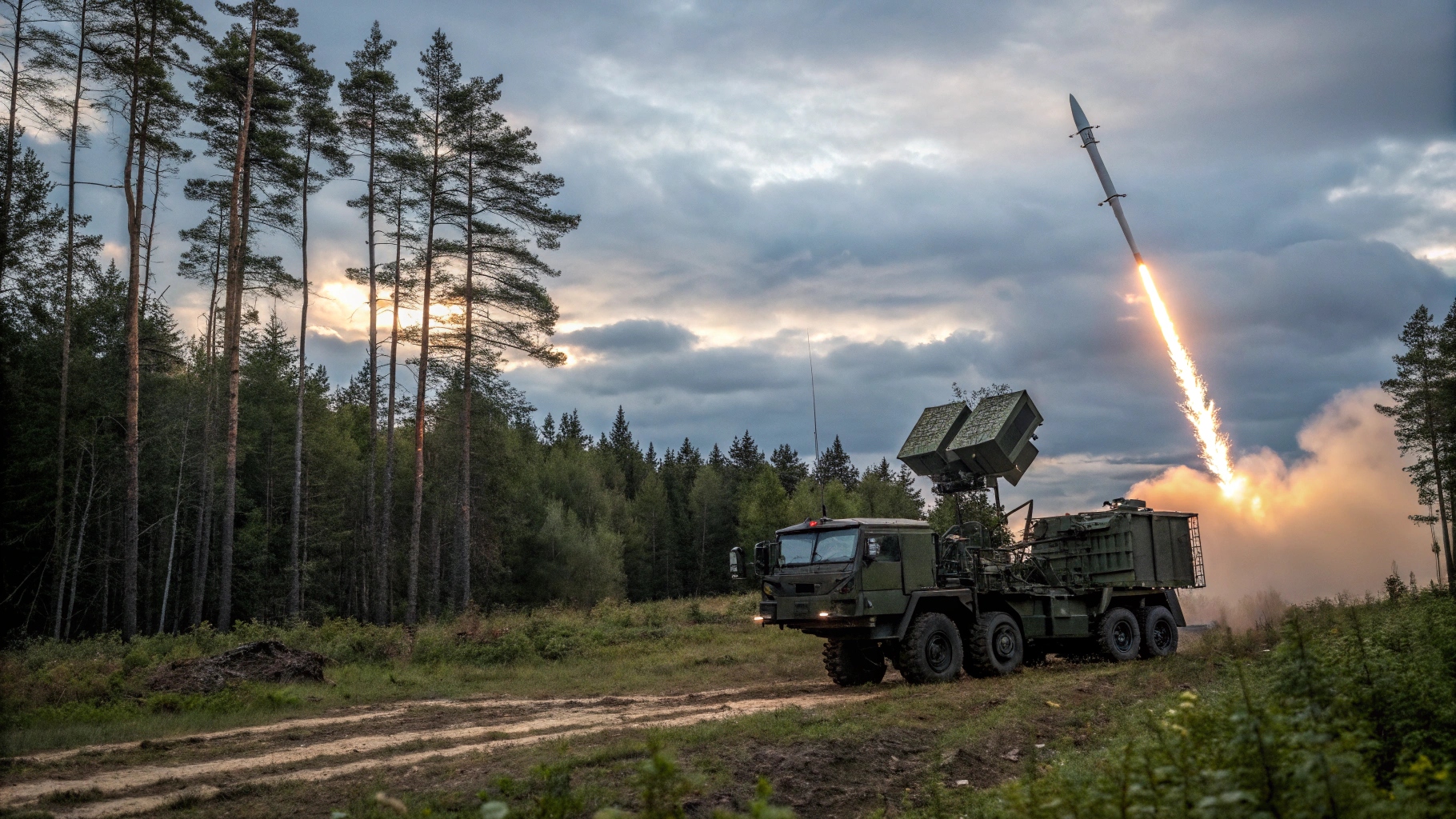

BrahMos Aerospace is seeking to expand the international reach of its supersonic cruise missile while accelerating production and developing next-generation variants. The India-Russia joint venture has highlighted the missile’s reported combat performance during Operation Sindoor in May 2025, when Indian forces used BrahMos against targets that the supplied report says included major Pakistani airbases such as Nur Khan. The operational deployment has added to the system’s international visibility as India pursues a broader defence export strategy. India’s defence exports reportedly rose to ₹38,400 crore, an annual increase of 62.7%. According to BrahMos Aerospace Managing Director and CEO Dr Jaiteerth Joshi, the missile’s export journey began with a landmark overseas order from the Philippines in 2022, before its combat use. He said two more Southeast Asian countries had signed agreements in 2026, reflecting additional international interest. The company is working to fulfil domestic military requirements and export commitments simultaneously. Its production facilities in Hyderabad, Nagpur, Pilani and Lucknow are operating at full capacity, while specialised “Tech-bricks” are being established to support development of future variants and testing technologies. BrahMos Aerospace is also seeking to reduce dependence on a limited number of suppliers. Joshi said the company wants to expand sourcing from one or two suppliers per system or subsystem to four or five, improving supply-chain resilience and encouraging competition in cost and quality. The supplied report projects that orders and deliveries linked to the Philippines, Indonesia and Vietnam could take total BrahMos exports beyond $600 million. On the technology front, work continues on BrahMos-NG, a smaller and lighter missile with a reduced signature. Developed jointly by India’s DRDO and Russia’s NPO Mashinostroyeniya through BrahMos Aerospace, the variant is expected to offer greater flexibility for aircraft integration and enable compatible platforms to carry more missiles. Another long-term objective is a version with a potential range of up to 1,500 km. Joshi described this capability as a conceptual-stage programme under discussion with the Russian partner. He also said earlier range-extension testing from land, sea and air platforms had demonstrated capabilities beyond the original 290 km range. In a separate development, the Ministry of Defence signed a contract with BrahMos Aerospace on 6 October for fire-control systems and launchers for Indian Navy warships. The contract requires a minimum of 68% indigenous content, supporting local manufacturing and participation by micro, small and medium enterprises. With international demand, increased industrial capacity, supply-chain diversification and continuing missile upgrades, BrahMos remains central to India’s effort to strengthen domestic defence production and grow its position in the global arms market.