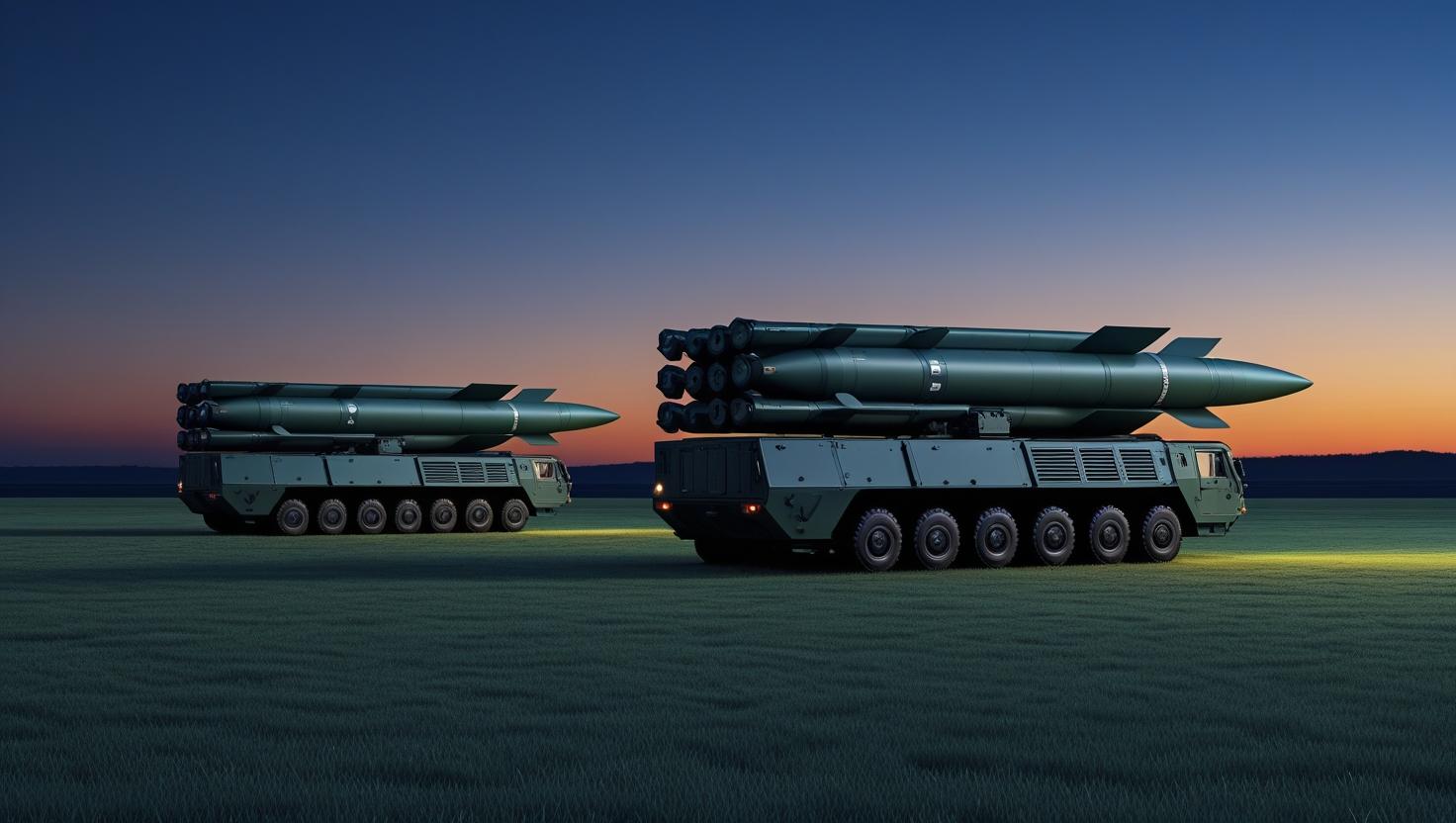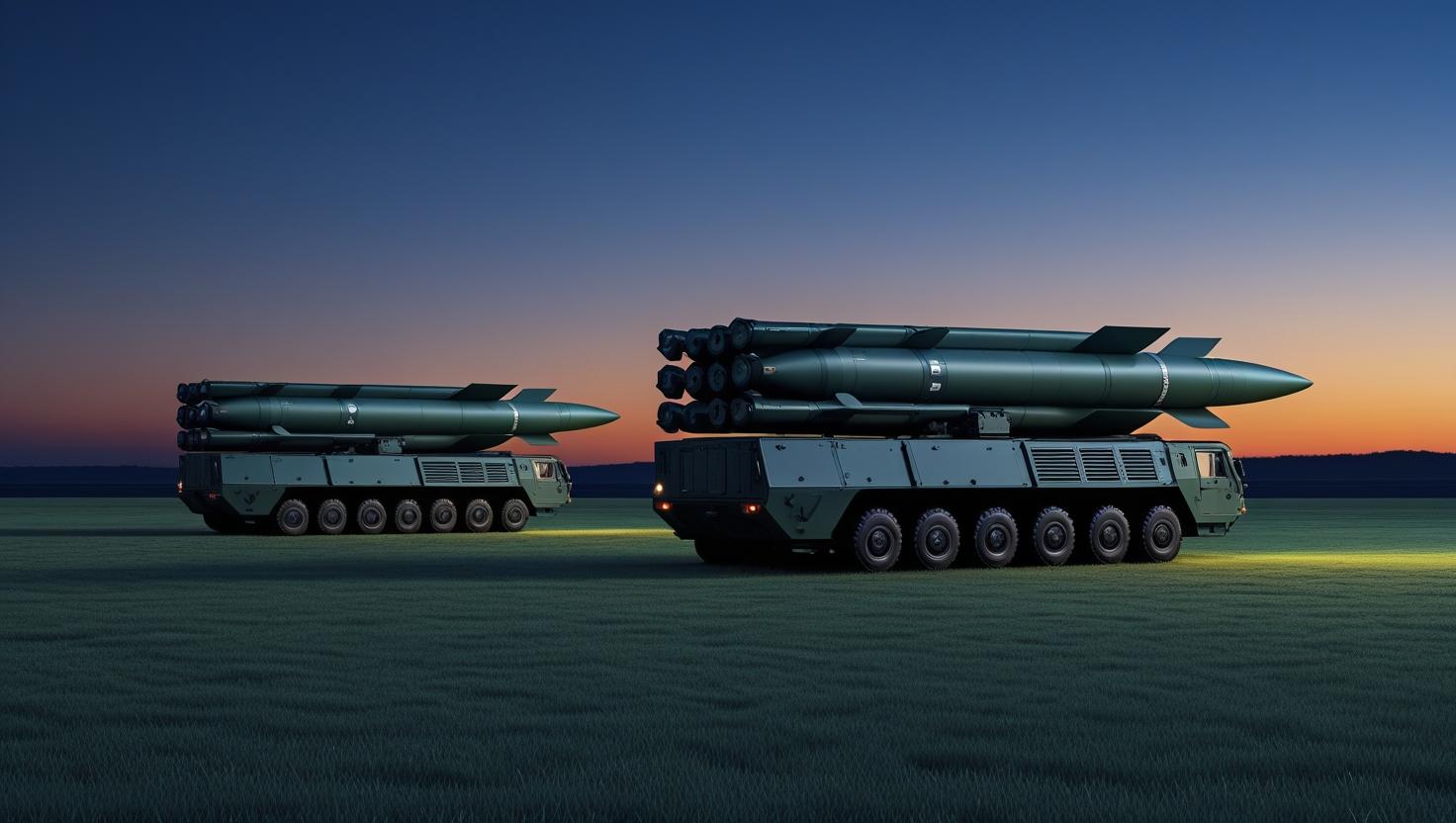

BAE Systems has selected Leonardo DRS to develop an advanced infrared focal plane array for the US Army’s THAAD missile interceptor under a new contract. The component will be developed at Leonardo DRS’s Dallas foundry, which is undergoing expansion to support a planned fourfold increase in THAAD seeker production compared with historical levels. The infrared focal plane array forms a central part of the interceptor’s seeker, detecting infrared energy and converting it into electrical signals used to identify and track incoming ballistic missiles. Its next-generation design is intended to improve the interceptor’s ability to engage increasingly sophisticated threats. BAE’s role in the programme began in 2020, when Lockheed Martin awarded the company a contract to develop and manufacture next-generation THAAD infrared seekers. The design was intended to expand the system’s threat-engagement capabilities while simplifying seeker manufacturing. The latest development supports a wider production expansion. In June 2026, Lockheed Martin received a seven-year US government contract action valued at up to $35 billion to increase annual THAAD interceptor production fourfold, supporting missile defence requirements for the US and allied nations. THAAD System Overview: THAAD is a Lockheed Martin-developed mobile, ground-based missile defence system designed to intercept short- and intermediate-range ballistic missiles during their terminal flight phase. Its hit-to-kill interceptor destroys targets through direct impact, both within and beyond the Earth’s atmosphere. A standard battery includes six truck-mounted launchers, each equipped with eight interceptors, for a total of 48 missiles. Operating the battery requires nearly 100 personnel, while each interceptor costs approximately $12 million. THAAD occupies the middle tier of the US Ballistic Missile Defense System, working alongside the lower-tier Patriot system and upper-tier Aegis Ballistic Missile Defense and Ground-Based Midcourse Defense systems.