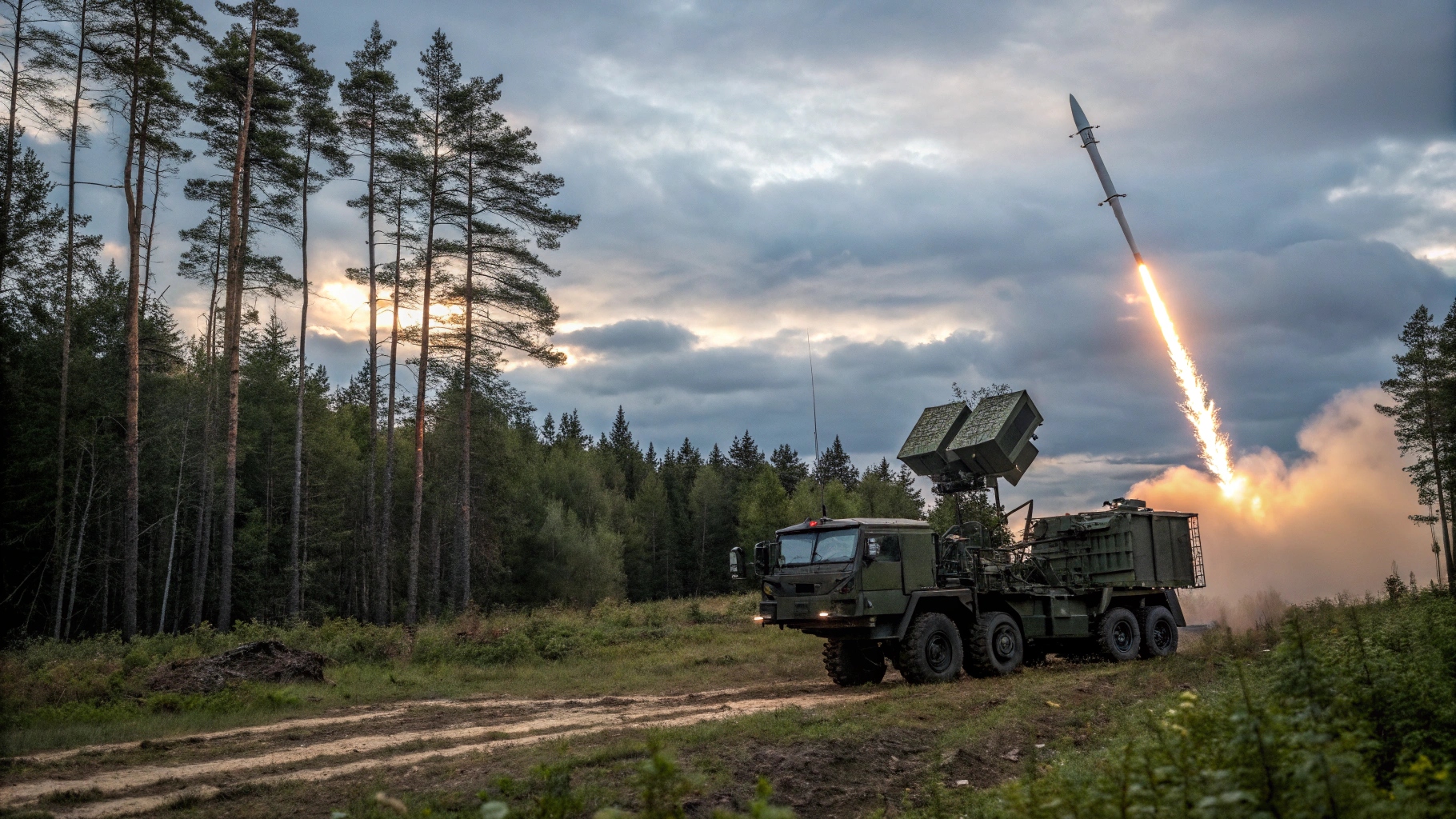
India is reportedly examining Russia’s proposal to supply Pantsir S1M systems as a mobile “bodyguard” for S-400 batteries. The possible acquisition of around 13 systems is intended to address a specific battlefield problem: protecting high-value long-range air-defence assets from large numbers of inexpensive drones and other low-level threats. The Pantsir S1M combines 12 missiles and two 30mm cannons, giving it both missile and gun-based engagement options. Its upgraded sensors are designed to track small UAVs, cruise missiles and helicopters, including under difficult weather conditions. Within India’s layered network, the S-400 would continue handling long-range threats, while systems such as Akash, MRSAM and Project Kusha would provide additional coverage. VSHORADS and MANPADS cover the tactical level, with Pantsir potentially filling the close-in protection role. IACCS could coordinate sensor information from ground radars, airborne platforms and other nodes to help allocate the most suitable weapon to each threat. The broader challenge remains maintaining an economically sustainable response to increasingly inexpensive drone attacks, alongside continued development of indigenous directed-energy, electronic-warfare and AI-enabled counter-drone technologies.