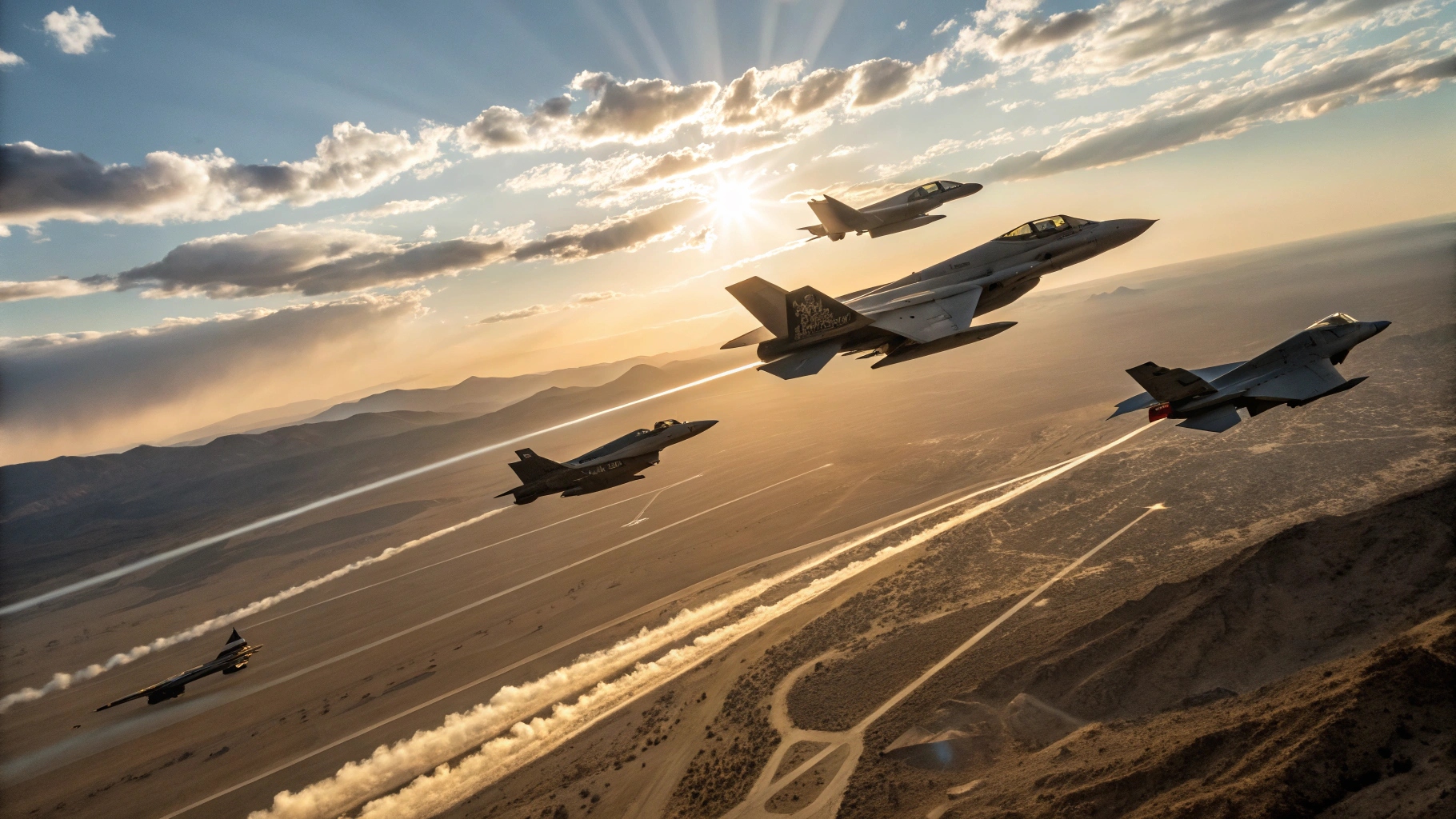

India is increasingly focusing on autonomous AI systems for future warfare, especially in drone operations and air combat support. While aircraft like AMCA and Tejas receive attention, the real transformation is happening in AI-driven combat software. Future drones will not just be remotely controlled but will be able to make independent decisions in combat situations. These systems may detect threats, avoid missiles, choose targets, and coordinate with other drones automatically. Modern battlefields are becoming too complex for human pilots alone due to large amounts of data from sensors, missiles, and electronic warfare systems. AI helps process this information quickly and respond faster than humans can. Countries like the United States, China, Russia, and Turkey are already developing advanced autonomous drone systems and AI-based warfare technologies. India is also developing similar capabilities through drone swarms and manned-unmanned teaming systems like CATS. These systems allow drones and fighter aircraft to work together in coordinated missions. In the future, a single pilot could control multiple drones acting as scouts, attackers, or electronic warfare platforms. India is also focusing on building its own secure software and communication systems to ensure full control over military AI. This is important because relying on foreign AI systems could create security risks. Overall, future wars may depend more on AI speed and decision-making than on traditional aircraft or weapons.