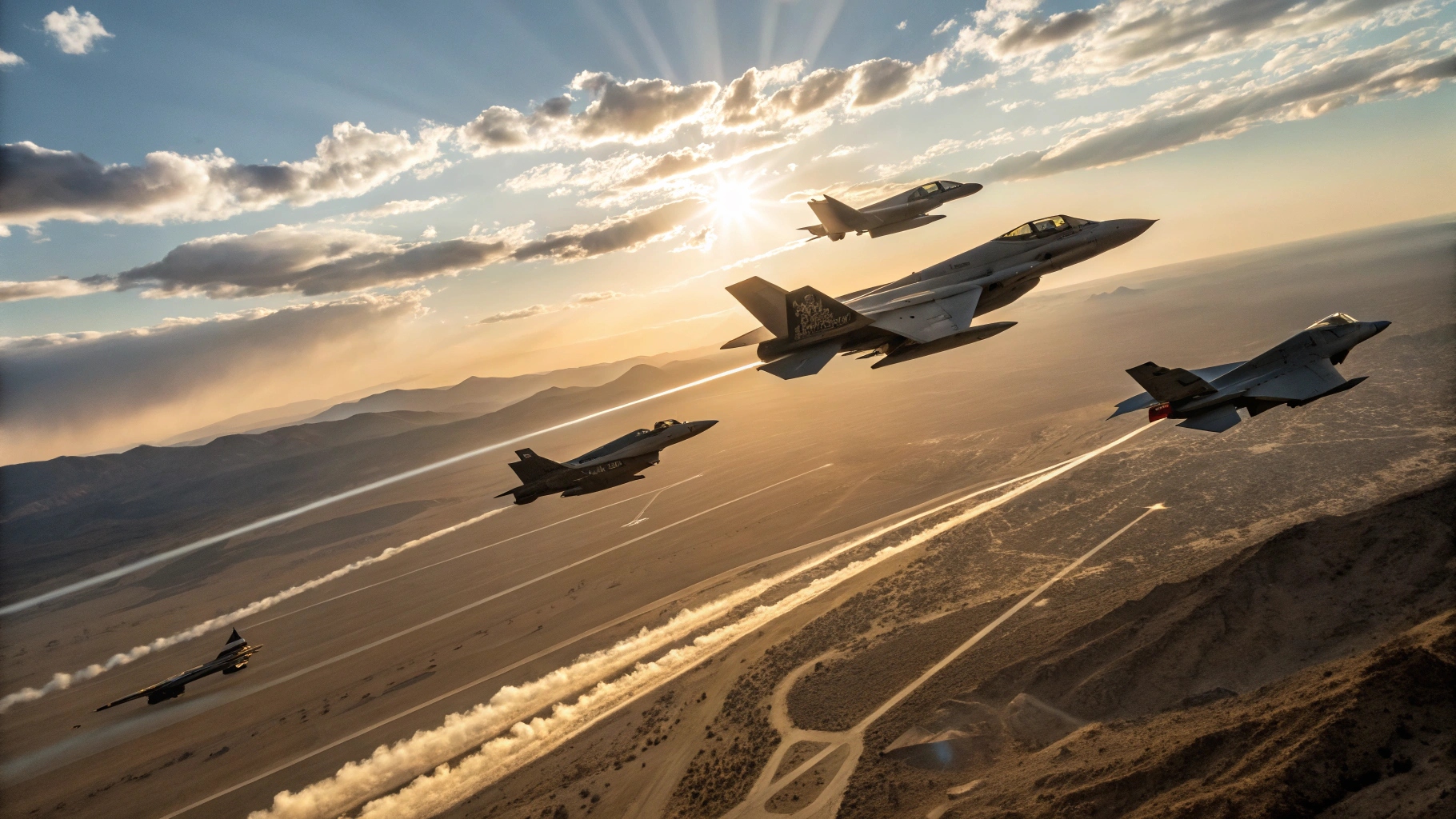

India is exploring participation in Europe’s next-generation fighter jet programs as part of its long-term air force modernization strategy. The focus is on two major projects: GCAP, led by the UK, Italy, and Japan, and FCAS, led by France, Germany, and Spain. These programs aim to develop sixth-generation combat aircraft with advanced stealth, AI systems, and networked warfare capabilities. GCAP appears more stable due to stronger partner alignment, but most industrial roles are already assigned, limiting India’s involvement to possible future purchase rather than development participation. FCAS, although attractive due to India’s strong defence ties with France, faces internal disputes between European partners, raising concerns about delays or even restructuring. Both programs aim for service entry in the mid-2030s, but such timelines are often delayed in complex defence projects. India’s interest is driven by the need to stay ahead of regional threats from China and Pakistan while ensuring access to next-generation technology. However, India already has its own AMCA stealth fighter program, which remains central to its self-reliant defence strategy. The challenge is balancing foreign collaboration with indigenous development. At the same time, India is also investing in drones and autonomous systems, which could complement future air combat roles. Overall, India’s engagement with GCAP and FCAS is still exploratory and reflects a cautious approach toward future fighter development partnerships.