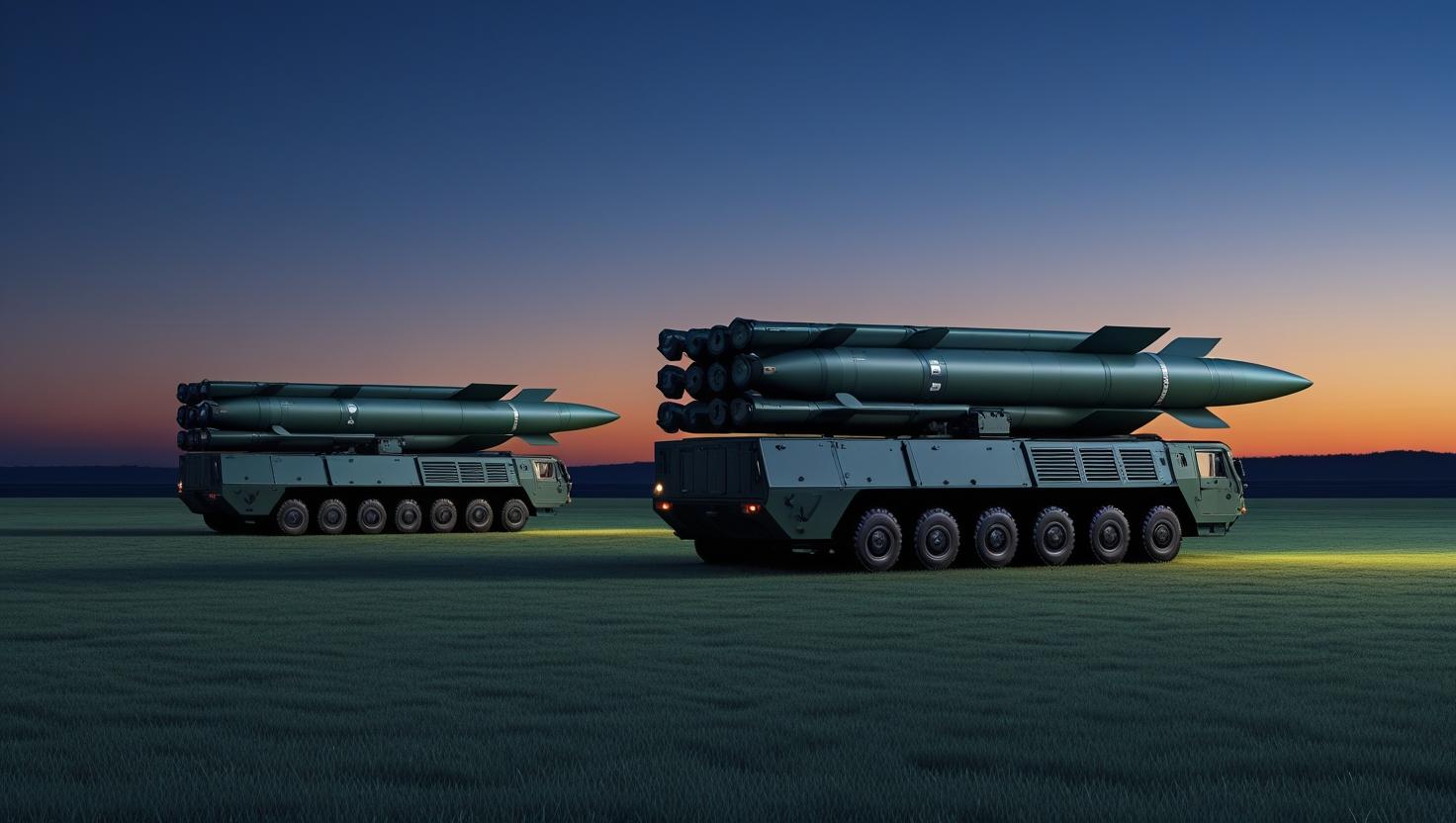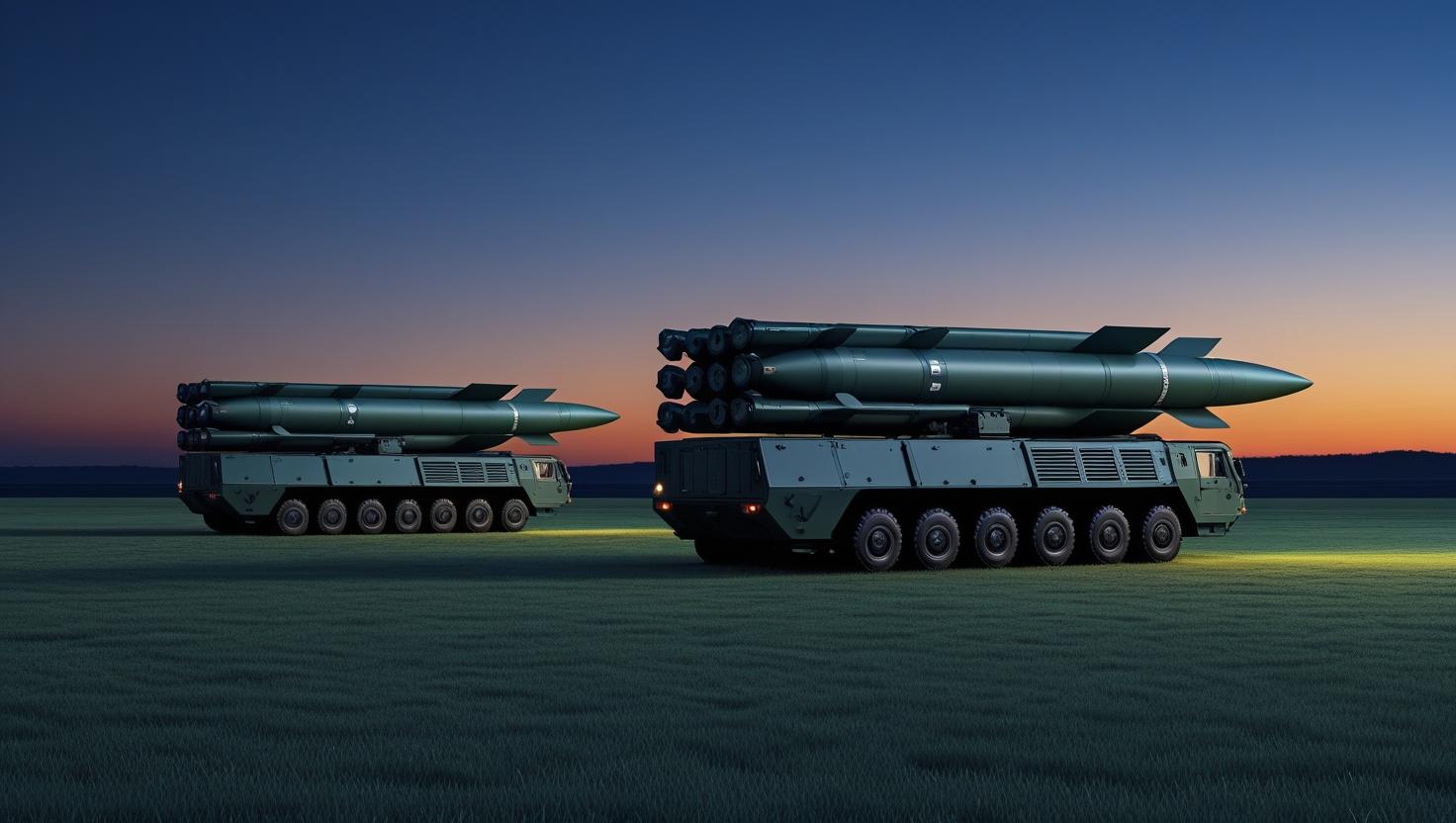

Lockheed Martin has successfully carried out another flight test of its Joint Reduced Range Rocket, a training system intended to replace the US Army’s current reduced-range practice rocket. The JR3 is being designed to provide HIMARS and M270 MLRS crews with a cost-effective means of conducting qualification and pre-deployment training.Several JR3 rounds were launched from a HIMARS during the latest test at Yuma Proving Ground, Arizona. The demonstration examined the rocket’s flight range, trajectory, accuracy and marking-payload performance.Development began following a July 2024 agreement with the US Army Aviation & Missile Technology Consortium. Lockheed Martin conducted the program’s first flight test in September 2025, and the latest event provides another opportunity to assess the rocket’s performance before further development.One of the system’s main features is a reusable 24-round launch pod. The arrangement is intended to support high-volume live-fire training while lowering the recurring cost of practice ammunition. Reloadable tubes and reusable components could also reduce preparation time and launcher downtime.The JR3 combines a proven rocket motor with an adaptable payload architecture. This modular approach is intended to provide an economical training solution that can be repeatedly used in realistic firing exercises. It may be particularly useful when HIMARS and M270 units are training on ranges with restricted capacity.Lockheed Martin plans another flight evaluation later in the year to further establish the rocket’s capabilities. The company believes that some of the technology could also have applications outside the training mission.The modular design and propulsion technology could support future Army projects, including the Direct Support Fires Technology initiative. The program is intended to develop rockets that are affordable, scalable for mass production and compatible with launchers already used by the Army.