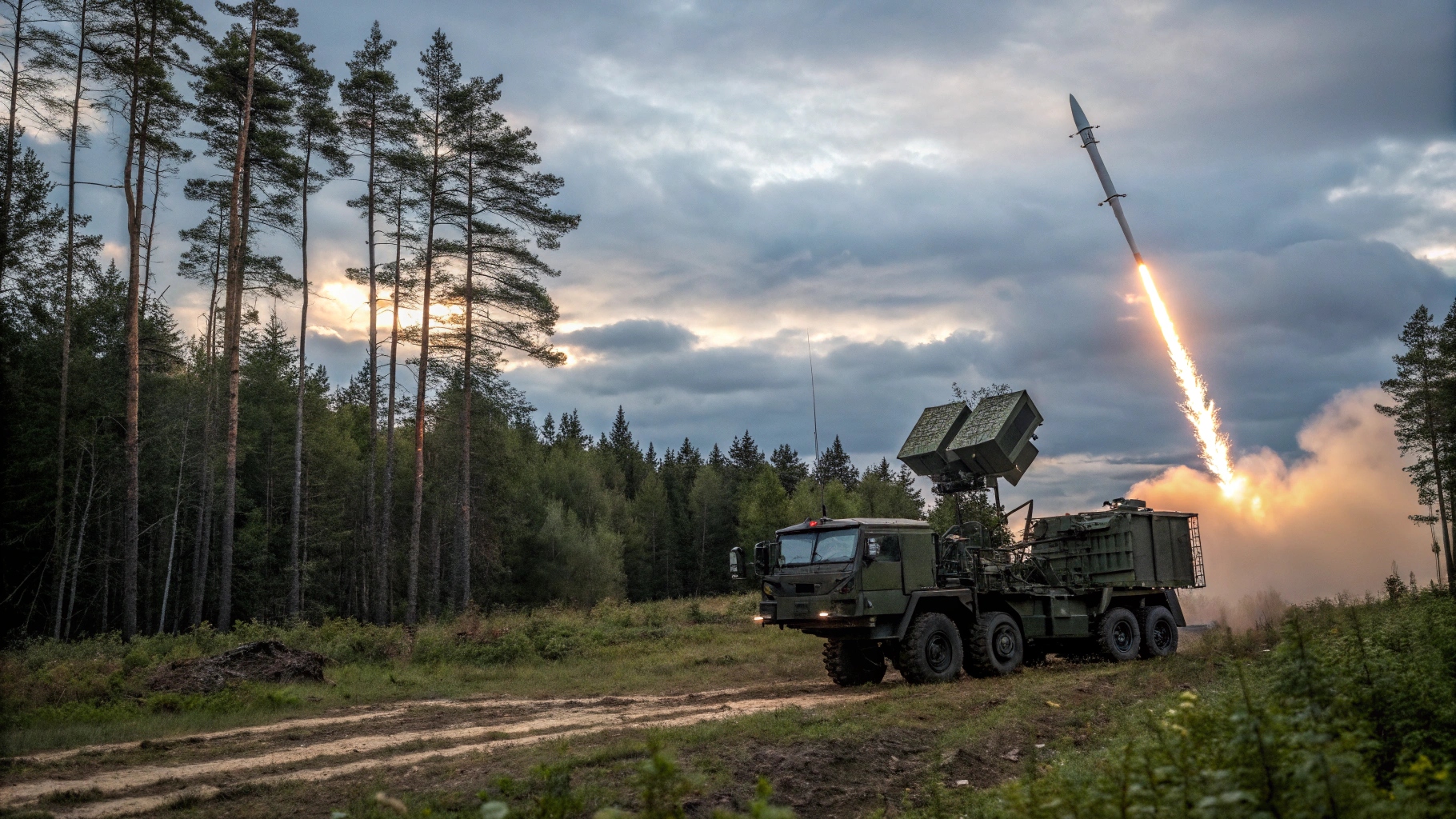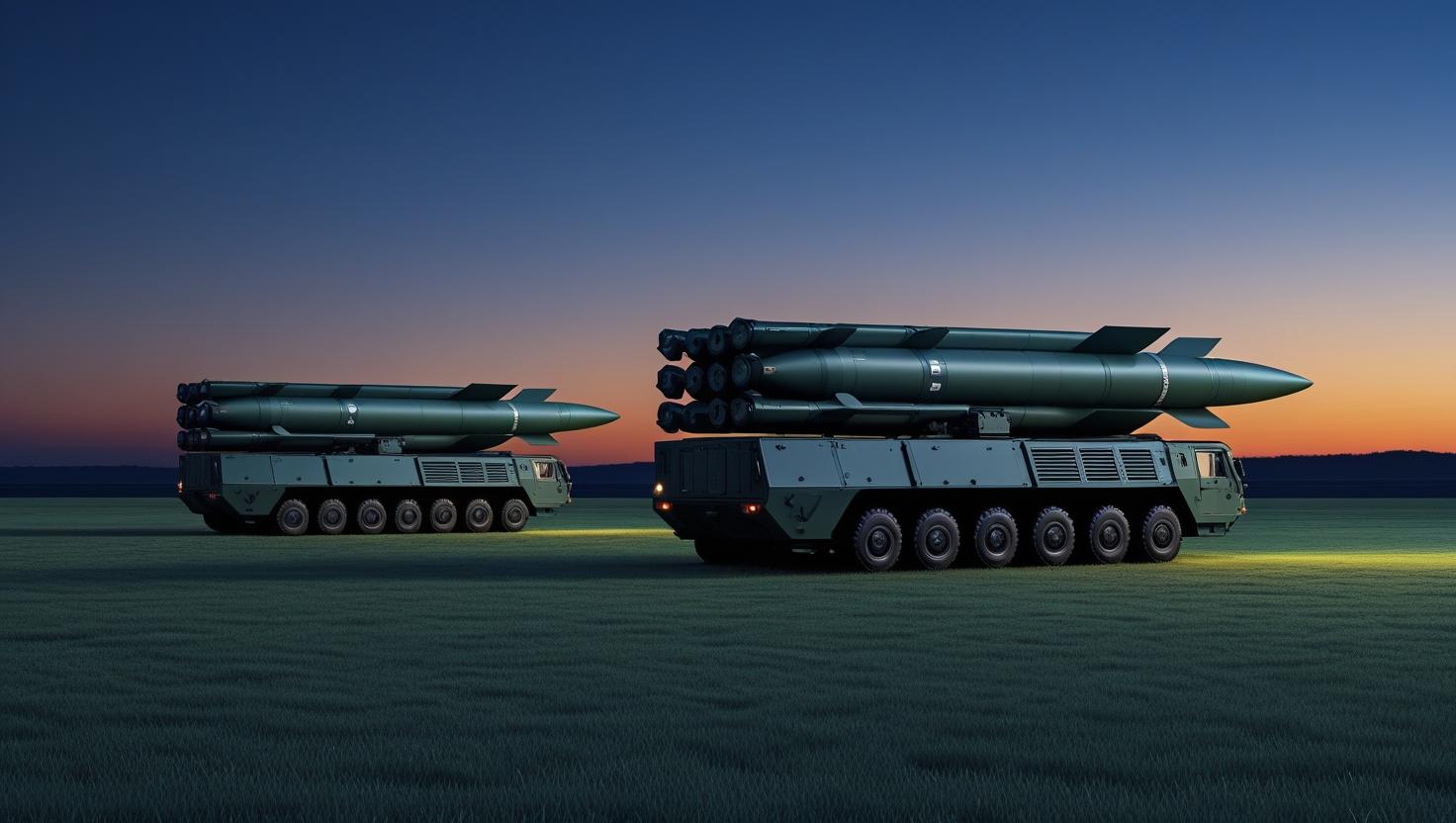
BrahMos has emerged as a major focus of international interest after its reported use during Operation Sindoor. The source says the supersonic cruise missile demonstrated strong precision and combat effectiveness and reportedly avoided Chinese-origin air-defence systems used by Pakistan. This performance is said to have encouraged additional countries to consider the missile for their own defence requirements.
India’s export efforts began before Operation Sindoor. In January 2022, New Delhi signed a $375 million contract with the Philippines for three BrahMos batteries. According to the source, negotiations with other potential buyers gained momentum after the operation. Vietnam is reported to have finalised a deal worth approximately $629 million, while Indonesia is linked to a reported agreement valued at between $200 million and $300 million.
The programme originated in the late 1990s. In 1997, A.P.J. Abdul Kalam was leading DRDO and overseeing the Integrated Guided Missile Development Programme. Its principal systems—Prithvi, Agni, Akash, Trishul and Nag—did not include a terrain-following cruise missile, highlighting the need for another capability.
That year, a 27-member Indian delegation travelled to Reutov near Moscow. The group included DRDO scientists, representatives of government defence companies and private-sector officials. They examined technology associated with the propulsion of Russia’s Onyx supersonic cruise missile and spent almost three months assessing it.
The following year, India and Russia signed an inter-governmental agreement that led to the formation of BrahMos Aerospace. The project received approval at the highest political level and was handled as a highly classified programme during its early development. The joint venture involved DRDO and Russia’s state-owned NPO Mashinostroyeniya.
BrahMos subsequently developed into a significant Indian defence product and export offering. The source reports that it saw extensive use during Operation Sindoor in May 2025, with at least 15 missiles reportedly launched by Indian fighter aircraft against Pakistani military installations while the aircraft did not cross the international border.
The reported battlefield performance increased global attention toward the missile. India’s production network has also grown. Manufacturing is now associated with facilities in Hyderabad, Nagpur, Pilani and Lucknow.
The source states that each of the four centres has the capacity to produce at least four missiles per month, with further expansion planned to meet demand. India intends to deploy BrahMos across major naval warships and fighter aircraft.
International demand is also reported to be increasing, with at least 12 countries across Europe, West Asia, Latin America and Africa showing interest. Meanwhile, development work continues on new versions, including an underwater-capable model and a smaller variant.
A longer-term objective is to field a more indigenous BrahMos on Indian aircraft such as Tejas and the planned LCA Mk 2. Such integration would support domestic defence production, reduce external dependence and strengthen India’s position as an exporter of advanced military systems.