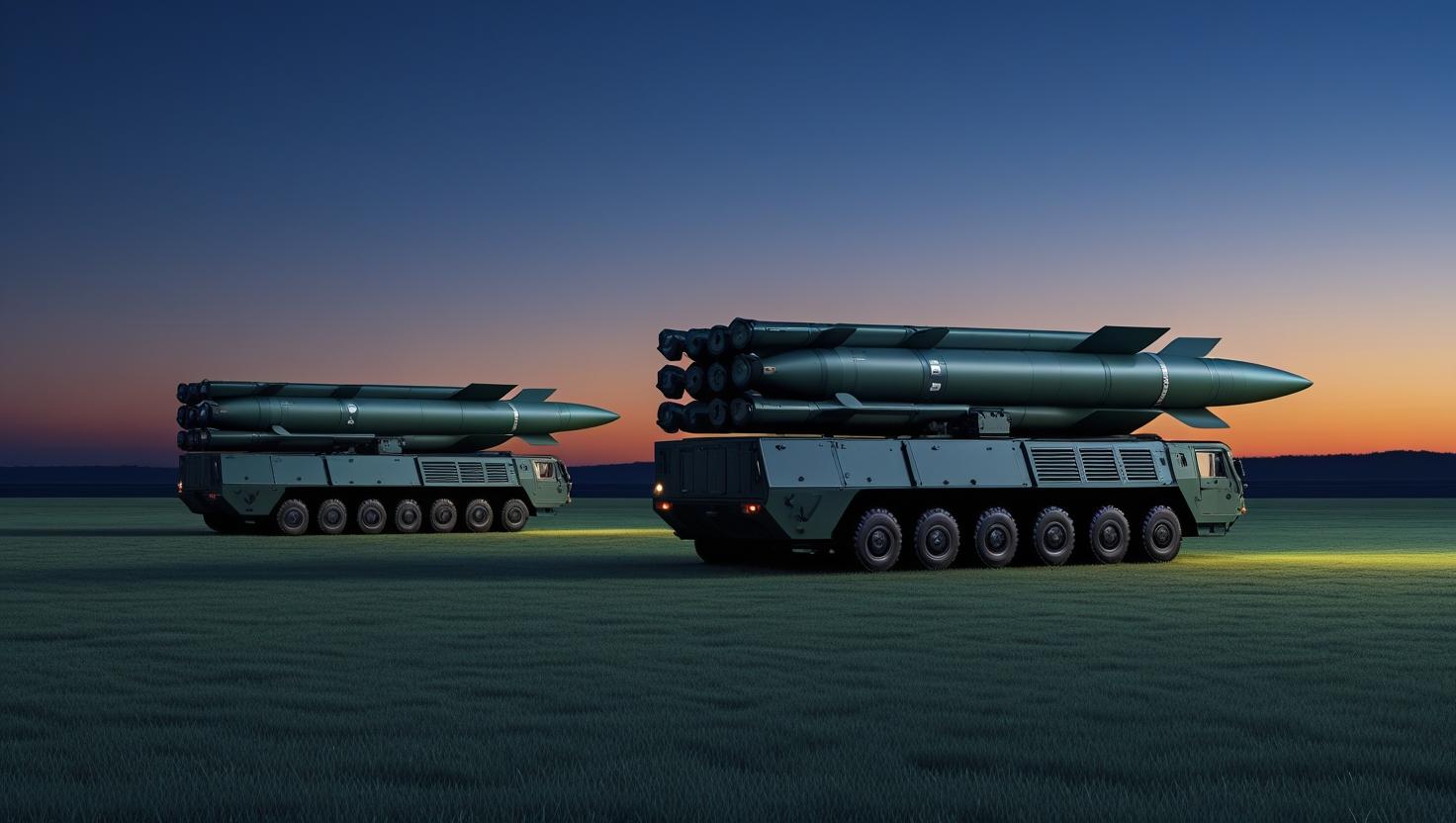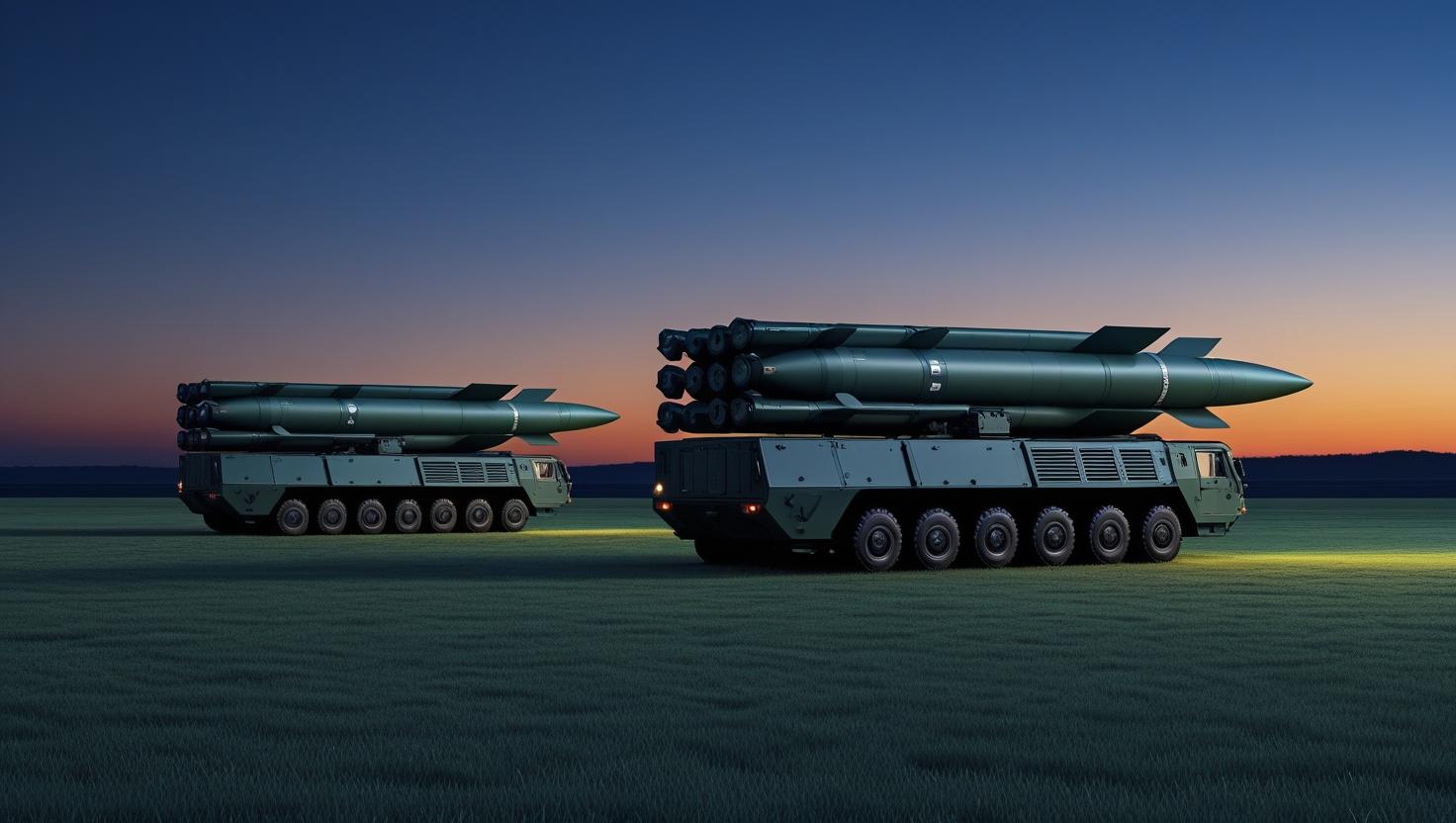

Former DRDO Chairman S Christopher has provided insight into the fuel costs associated with India’s Agni missile test flights. According to his remarks, some Agni missiles perform sharp trajectory adjustments to keep their flight paths clear of foreign airspace. These corrections can consume as much as 30 percent of the available propellant, yet the missile can still achieve its intended range and target accuracy.
The main reason for these manoeuvres is the limited geography of India’s test area over the Bay of Bengal. A full-range ballistic missile test cannot always follow the most direct path because nearby national airspace, territorial areas, shipping routes and aviation activity must be considered.
Mission planners can therefore program the missile to follow a curved or dog-leg trajectory. Such a path adds distance and requires additional energy, but it helps keep the test within the intended corridor and away from areas that have not been included in advance notifications.
The ability to manoeuvre during flight is not entirely new to the Agni programme. The technology dates back to early demonstrator tests in the 1990s and was initially associated with improving re-entry accuracy. Over successive variants, the capability has also provided greater flexibility for conducting long-range tests in geographically restricted conditions.
A trajectory correction comes with a performance cost. Changing direction requires the missile’s control system to overcome existing momentum and spend additional propellant. Christopher’s comments indicate that Agni designs incorporate enough performance margin to absorb this loss without falling short of the planned test range.
This may mean that a publicly demonstrated range is not necessarily the missile’s absolute engineering limit. A real-world operational flight could potentially use a more direct route because it would not face the same test-related airspace restrictions.
The information also illustrates the wider challenge of strategic missile testing. Technical teams must demonstrate range and accuracy while test planners manage airspace, maritime activity and regional sensitivities. Such built-in performance margins can therefore support both technical validation and credible strategic signalling.