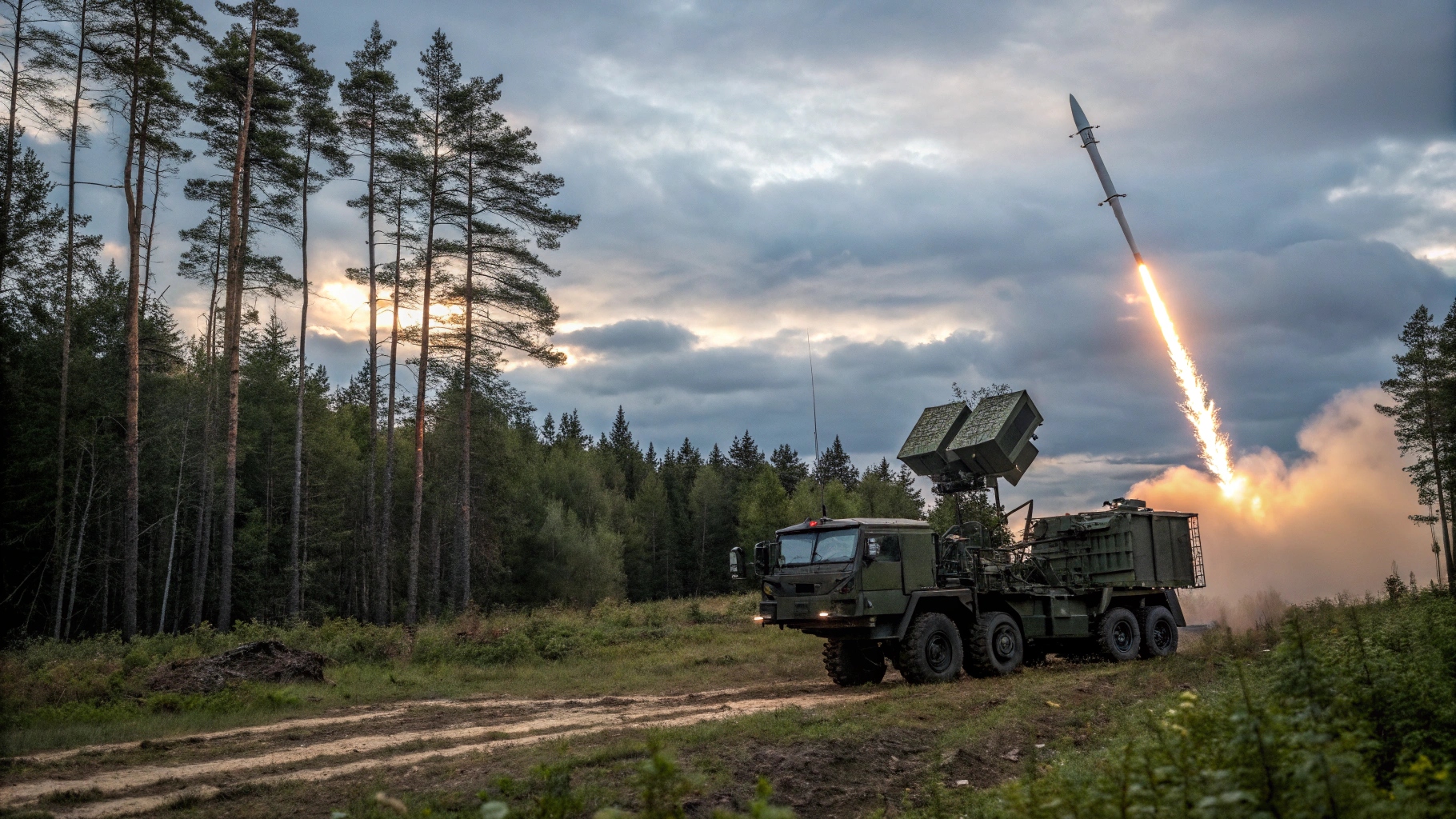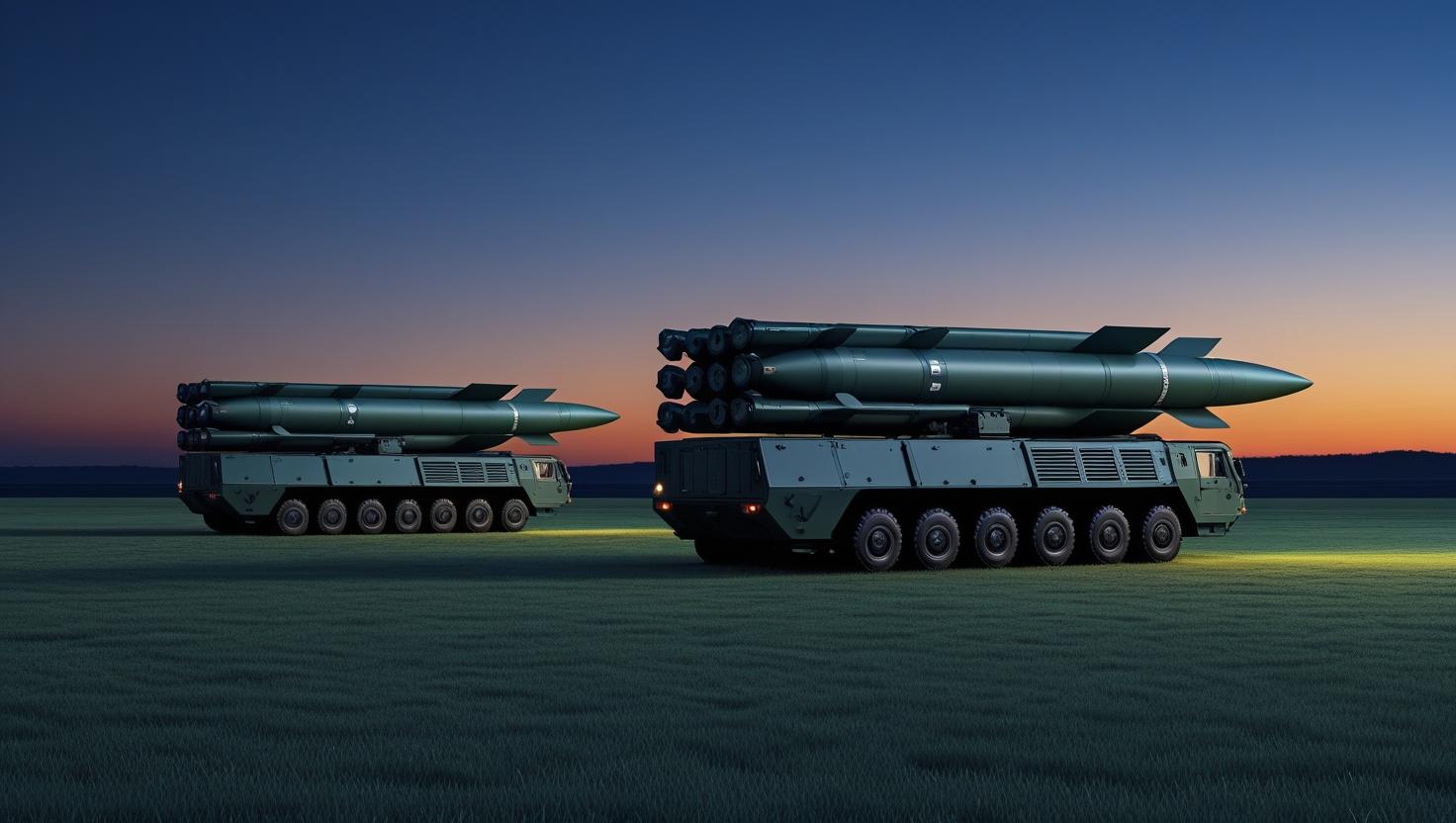
Washington has cleared a potential $2.68-billion arms package designed to expand Ukraine’s air-defense capabilities, with the proposed equipment including S-300 Clone interceptors. The approval follows continued Russian missile strikes and shortages of air-defense ammunition, particularly Patriot interceptors. The planned Foreign Military Sale covers several missile and launcher-related systems, including S-300 Clone and GAM-67 missiles, Range-Extended Air Defense Laser-Guided Rocket systems, Improvised Transporter Erector Launcher 1.5 equipment, mobile-launcher modification kits, RPS 202 counter-drone radars, and erectable mast trailers. The agreement would additionally provide sustainment and technical assistance, covering modifications, maintenance, spare components, consumables, accessories, software, transportation, repair-and-return services, and engineering and logistics support from US government agencies and contractors. The US State Department said the acquisition would give Ukraine a stronger means of dealing with current and future air threats. However, the sale remains a proposal and no contractor has yet received an award because the procurement is expected to be competitively contested. The Pentagon and State Department have not released specifications for the S-300 Clone or the other newly identified missile systems. Retired Colonel Robert Hamilton, president of the Delphi Global Research Center, previously suggested that the project could involve modernization of older S-300 missiles or creation of a more capable derivative. He estimated that production could potentially reach 100–200 missiles annually once the weapon becomes available. Defense Express has separately reported that the S-300 Clone is believed to be a newly designed interceptor incorporating enhanced performance and an updated guidance architecture rather than being a reproduction of the 5V55. The GAM-67 designation was originally associated with an unsuccessful US anti-radiation missile effort in the 1950s, but the current weapon reportedly represents a new medium-range air-defense development compatible with legacy Soviet systems and future platforms.