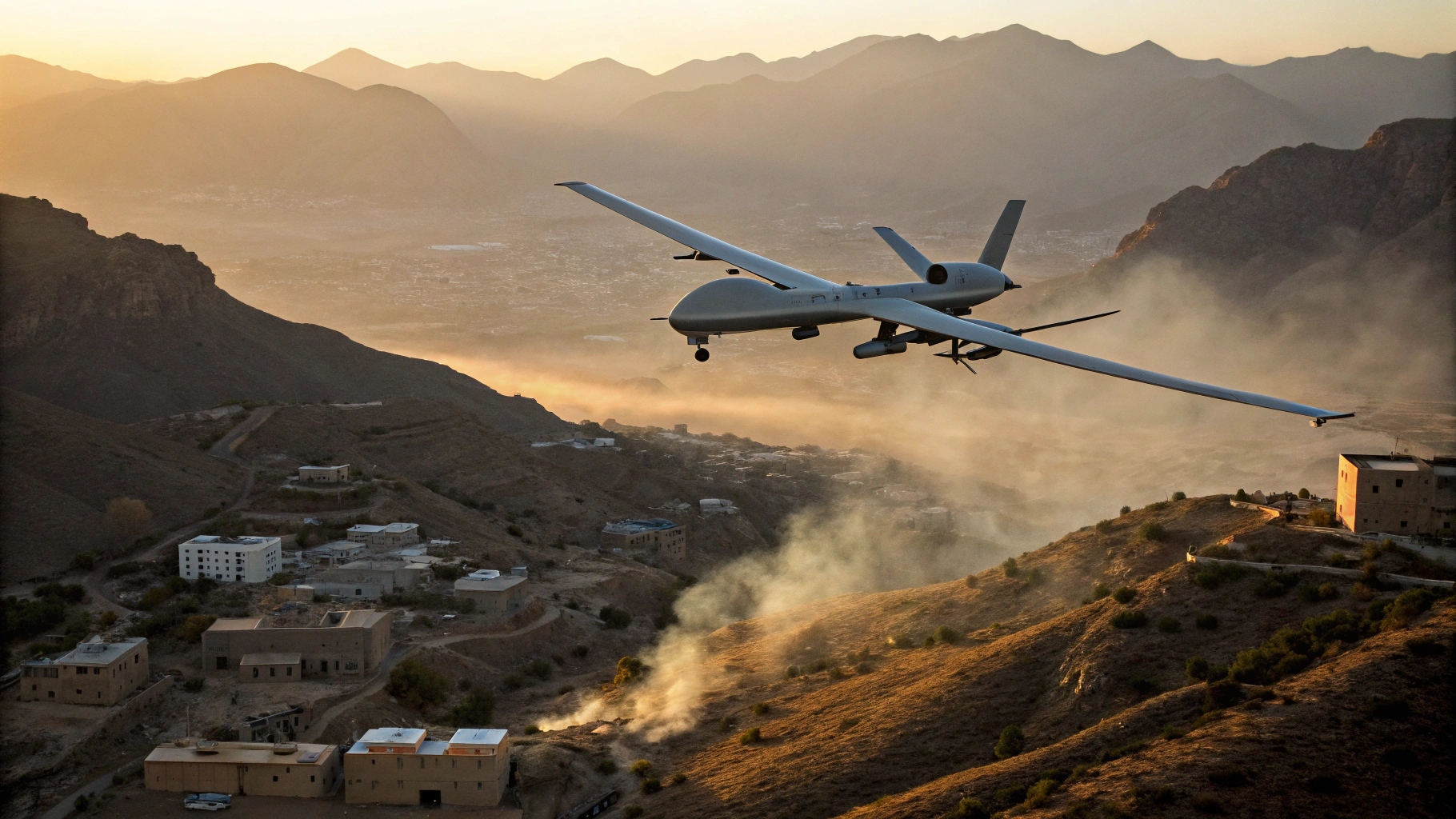
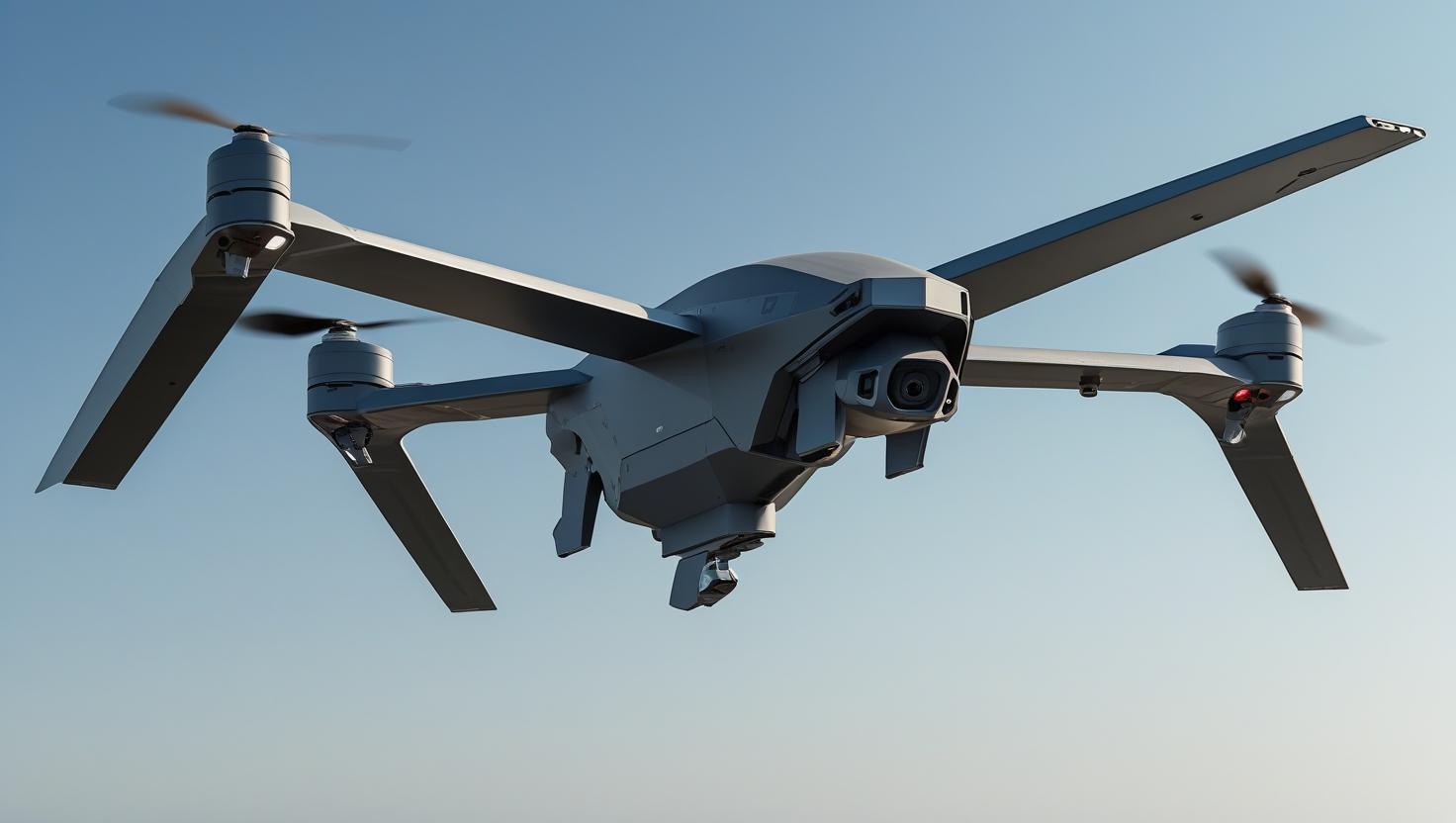
India’s military is moving toward a battlefield model in which drones are embedded at the lowest tactical levels of its combat formations. The experience of Operation Sindoor has reinforced the view that unmanned systems can perform frontline surveillance and strike missions rather than simply serving as supporting assets for manned aircraft and missile units.Under the Army’s emerging structure, nearly 385 infantry battalions are expected to receive Ashni platoons. Each platoon comprises 10 drones, including four surveillance platforms and six loitering munitions. The arrangement is intended to give company-level commanders a direct reconnaissance and precision-strike capability, potentially reducing the time required to obtain support from higher formations.Drones are also being incorporated into armoured and artillery formations. Shaurya Squadrons are being introduced within tank units operating T-90s and Arjuns, providing dedicated drone crews and organic aerial observation. The concept was tested during Exercise Amogh Jwala near Jhansi. Divyastra batteries are similarly integrating unmanned systems into artillery formations to improve target detection and engagement. Meanwhile, Bhairav commando battalions are being developed for fast-moving light-infantry missions that rely heavily on drone support.The tactical changes are accompanied by major procurement programmes. India is accelerating the acquisition of 87 indigenous MALE drones with a minimum 60% domestic content requirement. The scale of the programme is significant because it opens a major MALE contract to private Indian manufacturers and could reduce dependence on foreign systems. Such aircraft can remain airborne for long periods while conducting surveillance and, where configured for it, precision attacks.DRDO is simultaneously advancing several indigenous drone designs. Archer-NG is evolving into an armed unmanned platform with precision bombs and air-to-air missiles, while Ghatak is being developed as a stealthy unmanned combat aircraft capable of penetrating enemy air defences. TAPAS-BH is intended to provide long-endurance intelligence, surveillance and reconnaissance along the Line of Actual Control and Line of Control. Above these systems, HALE aircraft are intended to provide persistent surveillance over very large areas. Until an indigenous HALE capability becomes operational, leased MQ-9B SeaGuardian aircraft are filling part of the requirement.India is also building a layered response to the growing counter-drone challenge. Akashteer connects sensors, guns and missile batteries into an automated air-defence network and has been associated with operations during Sindoor alongside the IAF’s IACCS and the Navy’s Trigun system. Akash Tarang, supported by upgraded L-70 guns, is expected to add another counter-UAS layer. These initiatives fit within Mission Sudarshan Chakra, which envisions a nationwide, AI-enabled and layered air-defence architecture capable of protecting individual military installations as well as larger population centres.Pakistan is pursuing a parallel modernization effort. Its reported acquisition of Turkish Korkut 35mm guns, Sahin counter-UAS systems and Chinese HQ-17AE missiles is aimed partly at addressing vulnerabilities exposed during the BrahMos strikes of Operation Sindoor. At the same time, satellite imagery has reportedly identified additional electronic-warfare infrastructure along the frontier, including a suspected ESM facility near Dadyal and ELINT-related infrastructure near PAF Base Sindhri.This electronic-warfare competition could become increasingly important as both sides deploy larger numbers of drones. Unmanned systems depend heavily on satellite navigation, radio links and data networks, making them vulnerable to jamming, spoofing and interception. India is therefore combining its drone expansion with airborne and ground-based electronic-warfare capabilities, including DRDO systems on Su-30MKI and Rafale aircraft and jamming assets positioned near the LoC and LAC. The result is an increasingly complex contest involving unmanned platforms, counter-UAS weapons, air defence and control of the electromagnetic spectrum.