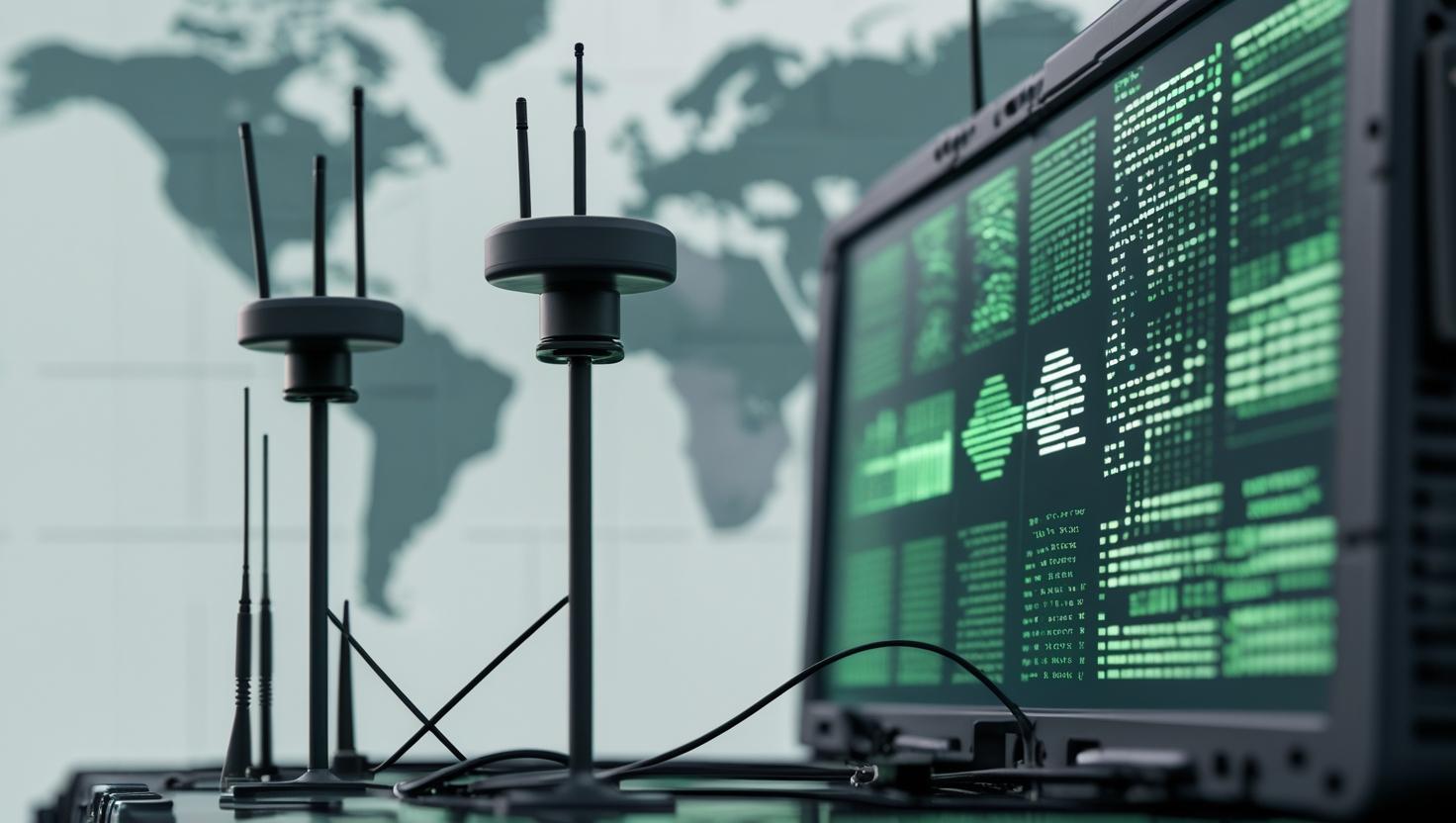
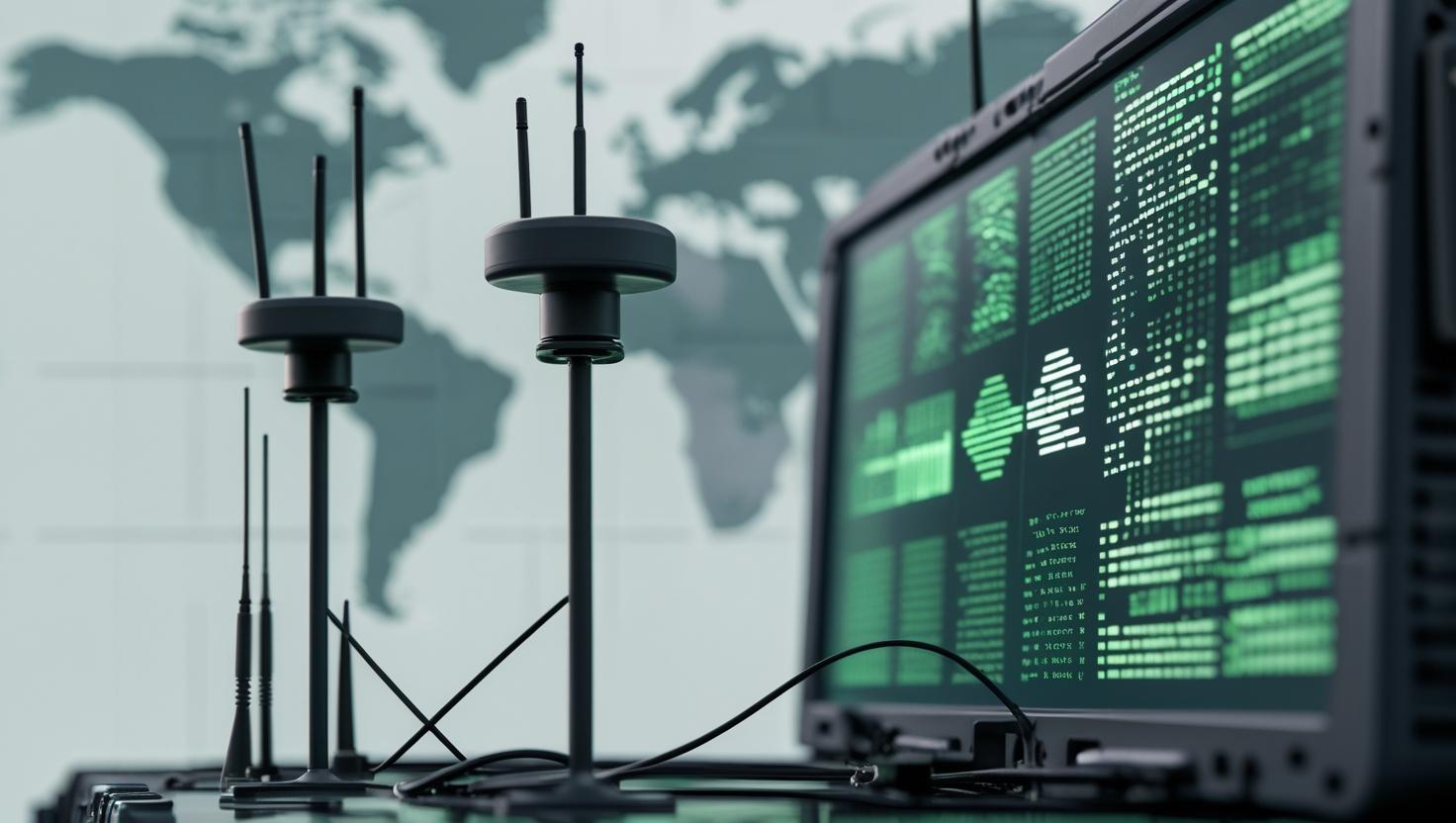
Palantir USG has secured a US Army production contract covering eight Tactical Intelligence Targeting Access Node (TITAN) ground stations, marking the transition of the system from prototype development toward operational deployment. TITAN functions as a crewed ground station capable of collecting and integrating data from a broad range of sources, including space, high-altitude, airborne, and terrestrial sensors. The Army’s procurement will comprise four Basic units and four Advanced systems. The Advanced version is built around increased processing and integration capabilities, whereas the smaller Basic configuration is optimized for mobility and quicker deployment to operational locations. AI and machine-learning tools will process the sensor data gathered by TITAN and convert it into targeting information that can be used by commanders and long-range precision weapons. The system is intended to accelerate the complete targeting cycle by reducing the delay between identifying a potential target, analyzing intelligence, and transmitting actionable information to Army command-and-control and weapon systems. Palantir is serving as the prime contractor and will be responsible for production as well as the software supporting the ground stations. Additional hardware and technologies will come from Anduril Industries, L3Harris Technologies, Sierra Nevada Corporation, Strategic Technology Consulting, and World Wide Technology. The production configuration is also being informed by operational feedback from soldiers who used earlier TITAN prototypes. The award further expands Palantir’s participation in US defense activities. Mercury Systems selected Palantir software last month to digitize portions of its manufacturing operations, with plans to automate production planning and develop a virtual representation of its factory network. The goal is to locate manufacturing bottlenecks and improve production of processing systems used by US defense programs. Separately, the US Army chose Palantir’s Foundry platform earlier this year as the baseline architecture for its Next Generation Command and Control program. Under NGC2, Foundry will provide the cloud environment, while Anduril’s Lattice will serve as the tactical data layer. The program is designed to establish a common digital environment linking sensors, headquarters, weapons, and personnel.