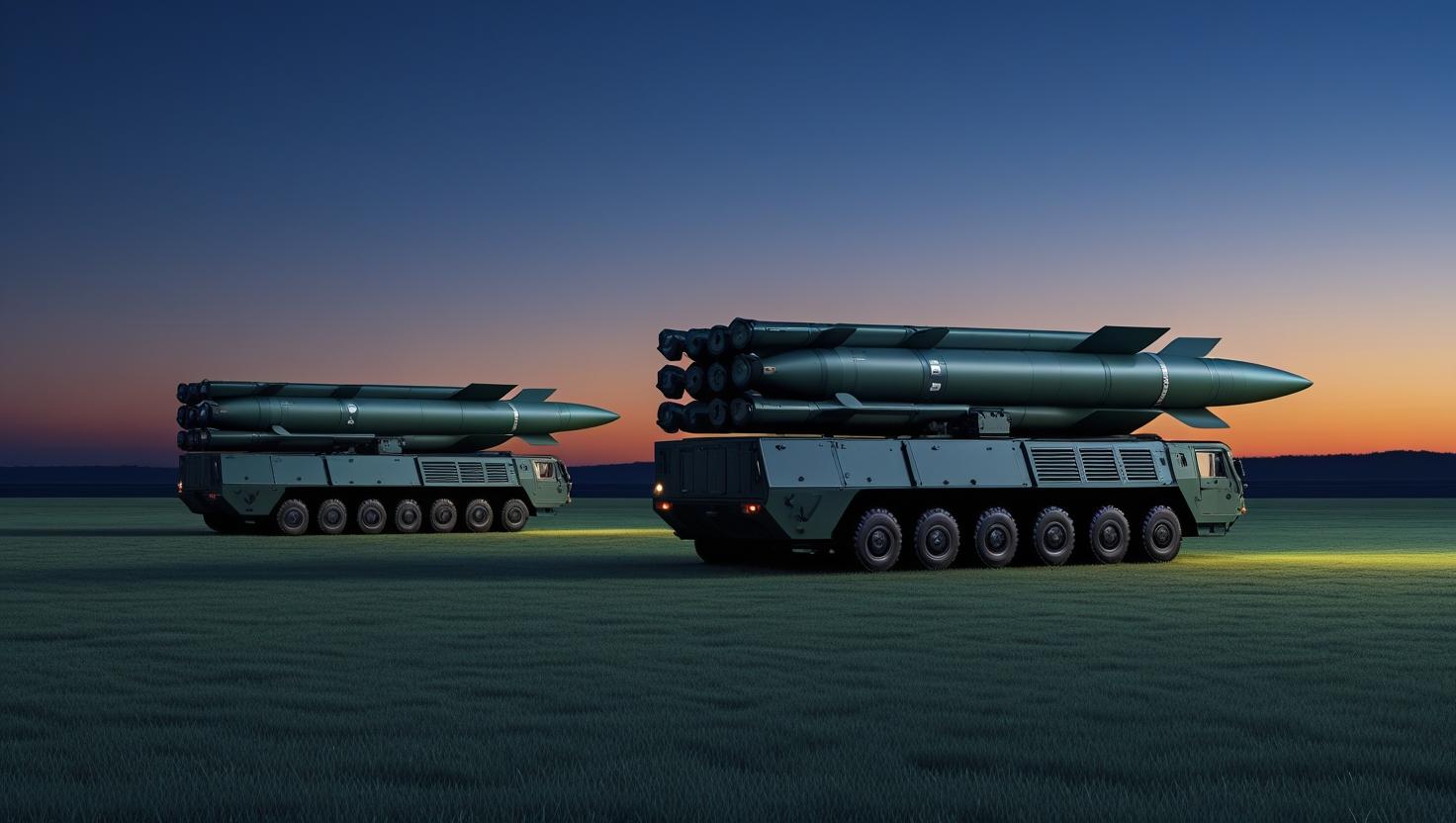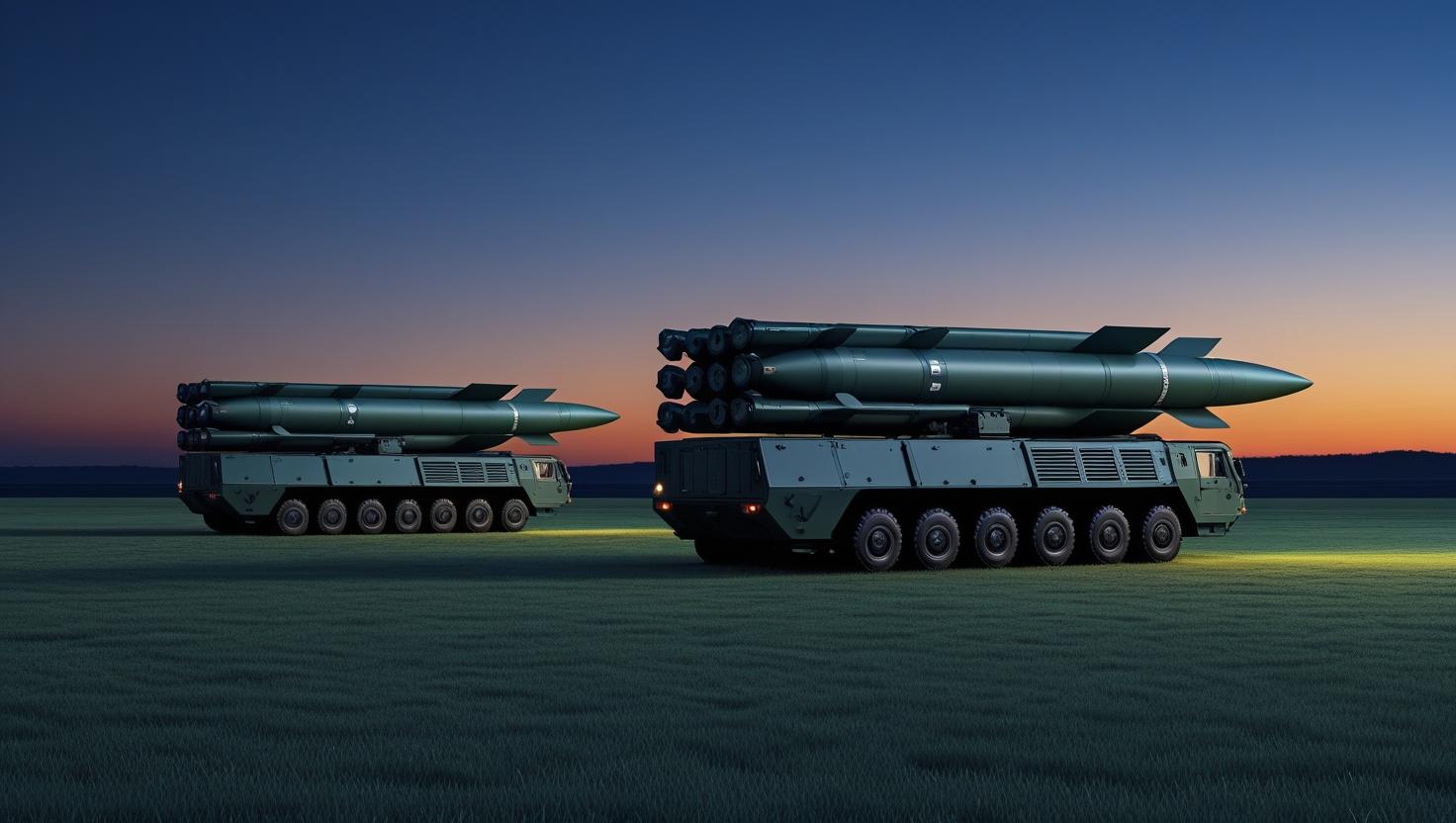

South Korea has moved forward with full-scale production of its L-SAM long-range missile defense system, awarding Hanwha Aerospace a 705.4-billion won ($480 million) production contract through DAPA. The agreement requires Hanwha to deliver interceptors and launchers by 2030, forming a cornerstone of South Korea’s expanding layered defense network.
Designed to intercept ballistic missiles at high altitudes, the L-SAM incorporates advanced technologies such as a Divert and Control System and dual-pulse propulsion, both newly developed within South Korea’s defense industry. When operational, L-SAM will function as the uppermost shield within the national air-defense structure, complementing lower-tier systems including the Patriot and Cheongung II to counter increasingly sophisticated regional missile threats.
Radar development is advancing in parallel. Hanwha Systems was awarded a 357.3-billion won ($243 million) contract in October 2025 to produce the L-SAM’s primary Multifunction Radar (MFR), responsible for threat detection, tracking, and guidance. Other companies are contributing to the radar ecosystem as well; Wavice, for instance, is manufacturing high-power amplifier modules under a 26.5-billion won ($18 million) contract.
South Korea’s modernization strategy extends well beyond the initial L-SAM architecture. In June 2025, Hanwha Aerospace received 198.6 billion won ($135 million) to develop L-SAM II, a next-generation interceptor intended to engage ballistic missiles at even greater altitudes and ranges. Hanwha Systems is also developing the L-SAM II’s upgraded multifunction radar after securing a 54.7-billion won ($37 million) contract. These programs reflect South Korea’s ambitious roadmap to enhance missile-defense readiness as regional security challenges continue to grow.