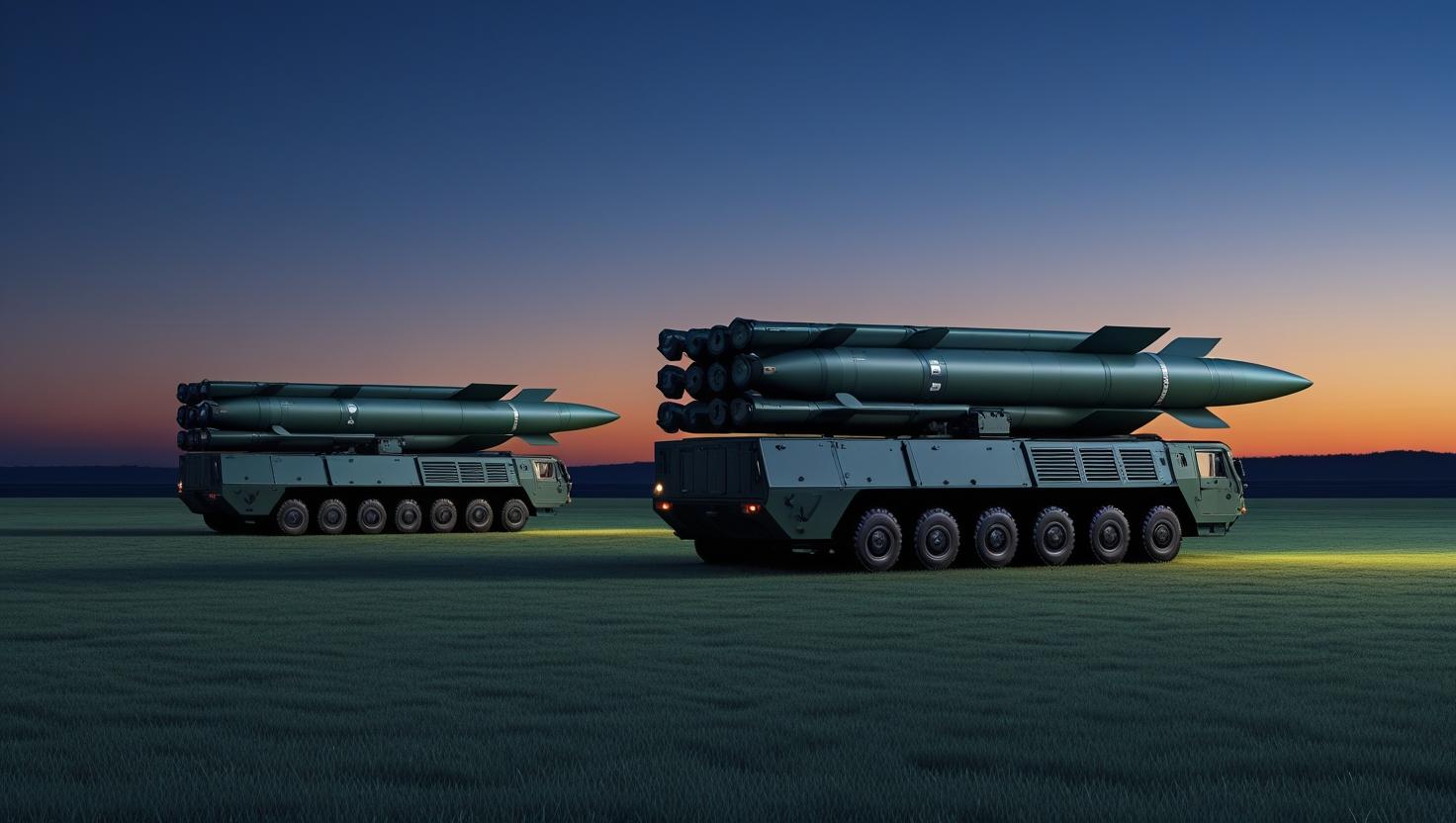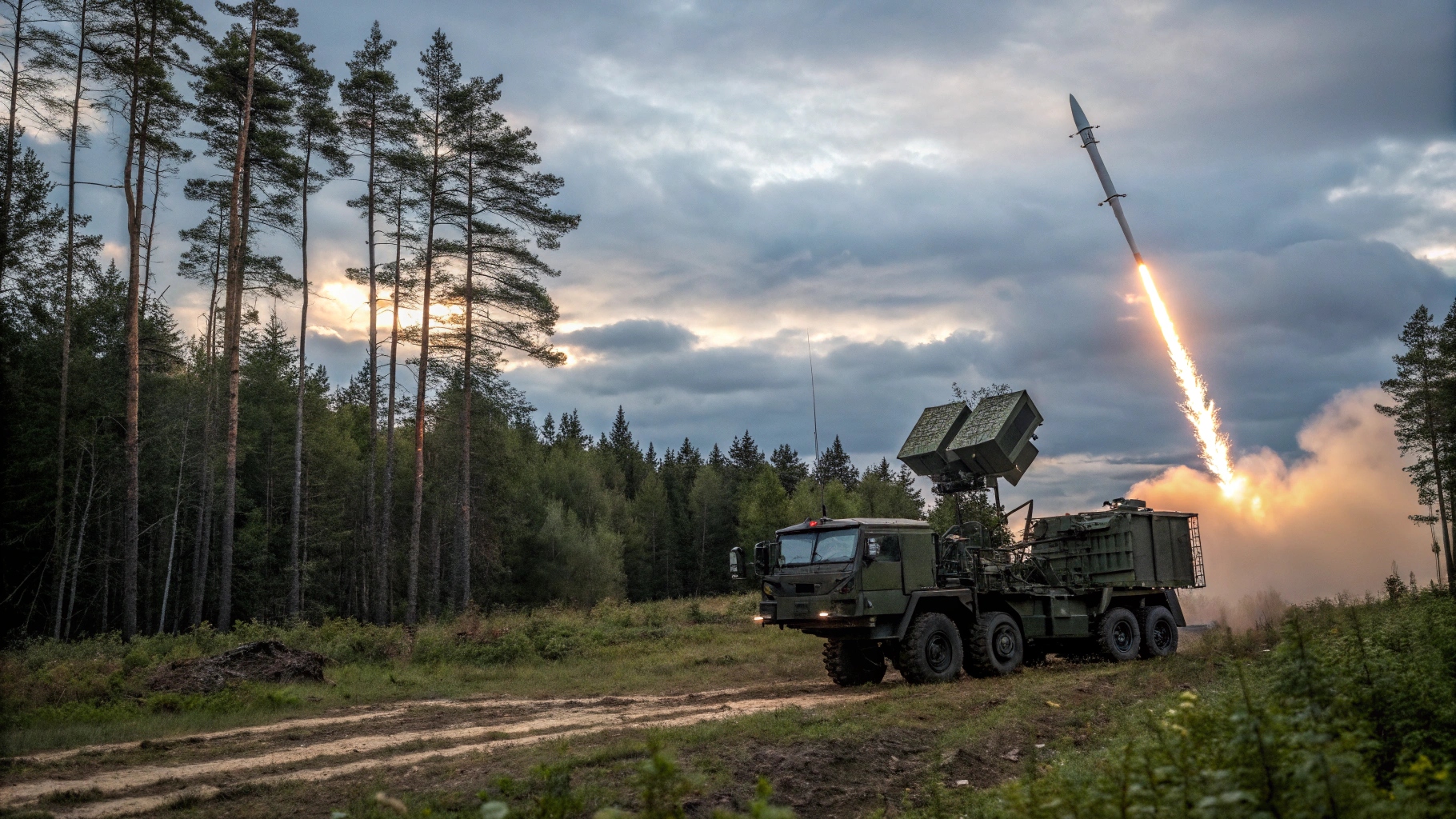

In a landmark strategic decision, India chose Russia’s S-400 Triumf air defense system over the United States’ Terminal High Altitude Area Defense (THAAD) in 2018, signaling a significant shift in its defense priorities. This choice underscores the S-400’s advanced capabilities, which have redefined modern approaches to aerial threat management.According to Sputnik India’s analysis, the S-400’s flexible architecture is a key differentiator, enabling the integration of various air defense systems while effectively countering long-range, high-velocity targets. Designed for versatility, the S-400 is capable of neutralizing a wide range of threats, including aircraft, UAVs, and ballistic missiles. In contrast, THAAD is primarily optimized for intercepting ballistic missiles at high altitudes, offering a narrower engagement spectrum.The S-400’s ability to operate with multiple radar systems further amplifies its effectiveness, seamlessly combining short, medium, and long-range missile defenses into a unified operational network. This adaptability provides a stark contrast to THAAD’s specialized focus on high-altitude threats, which limits its utility in more diverse combat scenarios.