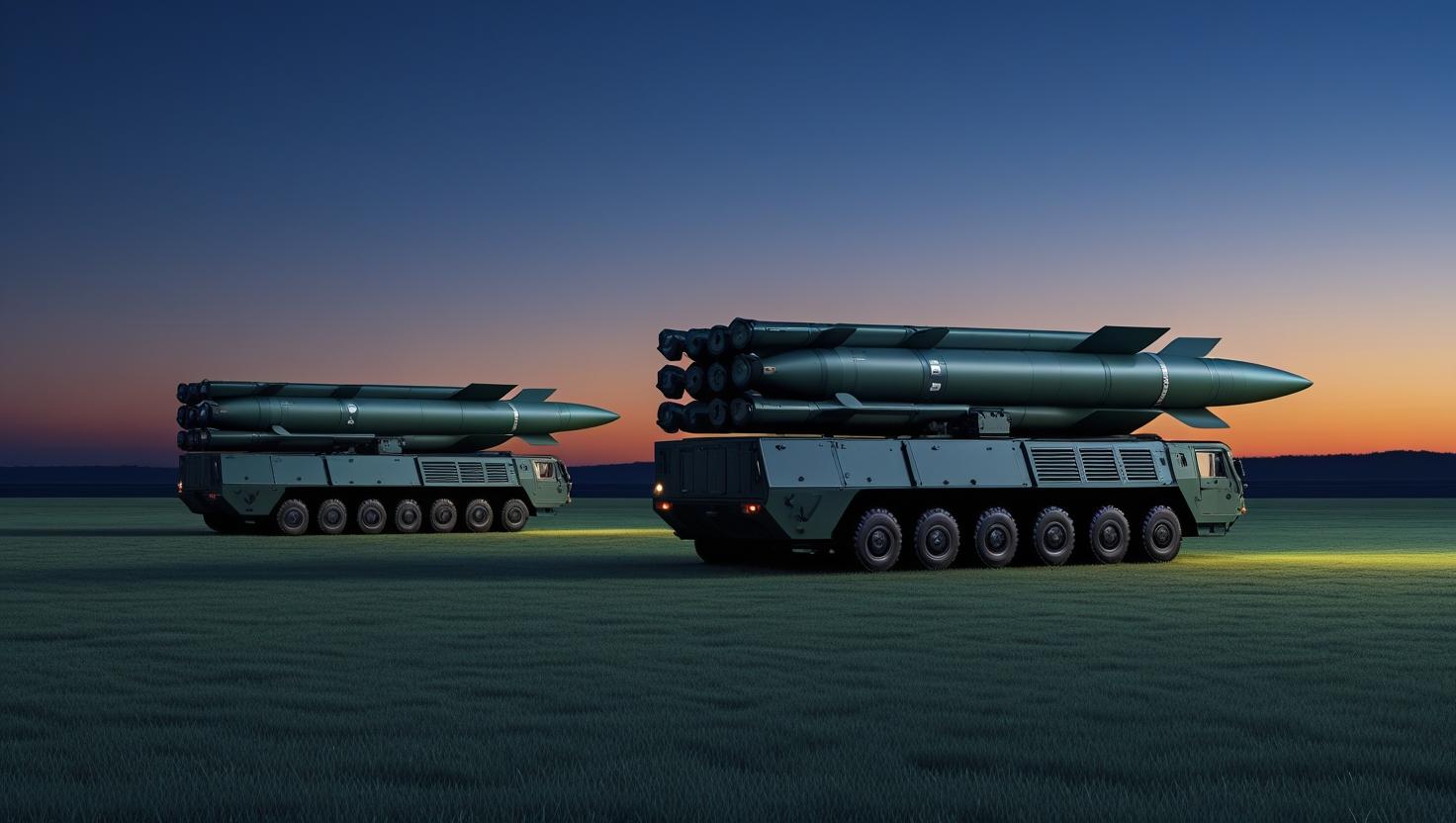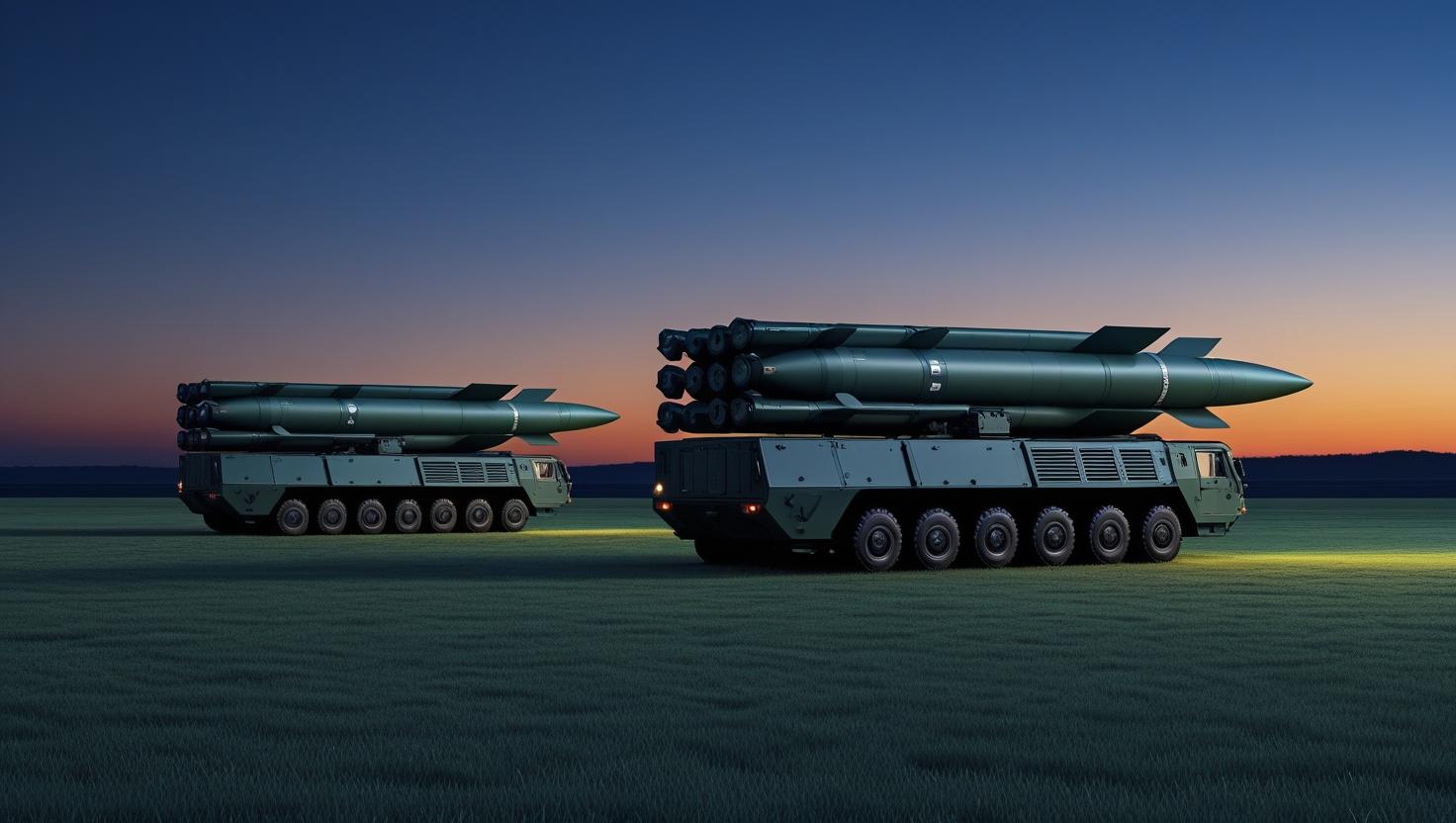

The Pentagon and Lockheed Martin have reached a landmark agreement to more than triple production of the PAC-3 Missile Segment Enhancement (MSE) interceptor, responding to surging global demand for air and missile defense capabilities. The framework deal envisions increasing annual output from approximately 600 interceptors to about 2,000 missiles, with the ramp-up planned over a seven-year period.
The agreement aligns with the Department of Defense’s Acquisition Transformation Strategy, which prioritizes multi-year planning and industry collaboration. By offering longer-term demand commitments, the Pentagon aims to enable defense manufacturers to invest confidently in facilities, workforce expansion, and supply-chain stability. The strategy also incorporates a shared financing approach that preserves early cash neutrality while supporting rapid production growth.
However, the production increase remains conditional on additional FY 2026 congressional appropriations, which have yet to be approved. Defense officials acknowledged ongoing discussions with lawmakers and expressed confidence in eventual alignment, though final authorization is still pending.
The PAC-3 MSE interceptor, deployed as part of the Patriot missile defense system, is used by allied and partner forces across Europe, the Middle East, and beyond. The missile incorporates a dual-pulse propulsion system, improved guidance, and enhanced lethality against advanced aerial threats. Lockheed Martin delivered 620 PAC-3 MSE missiles in 2025, secured a $9.8-billion US Army contract, and partnered with Diehl Defence to strengthen supply-chain resilience—efforts that underscore the Pentagon’s broader push to scale high-demand munitions programs.