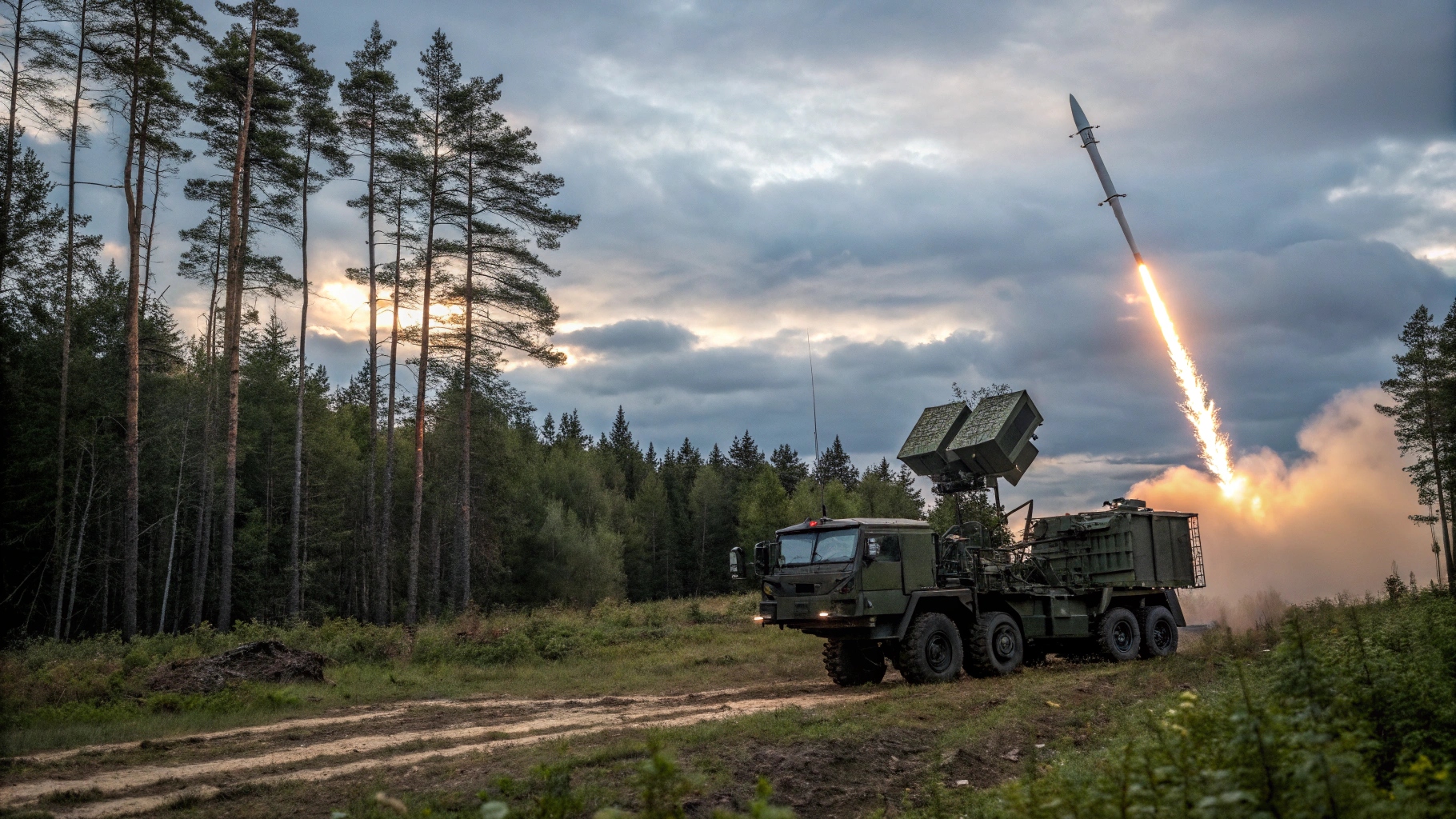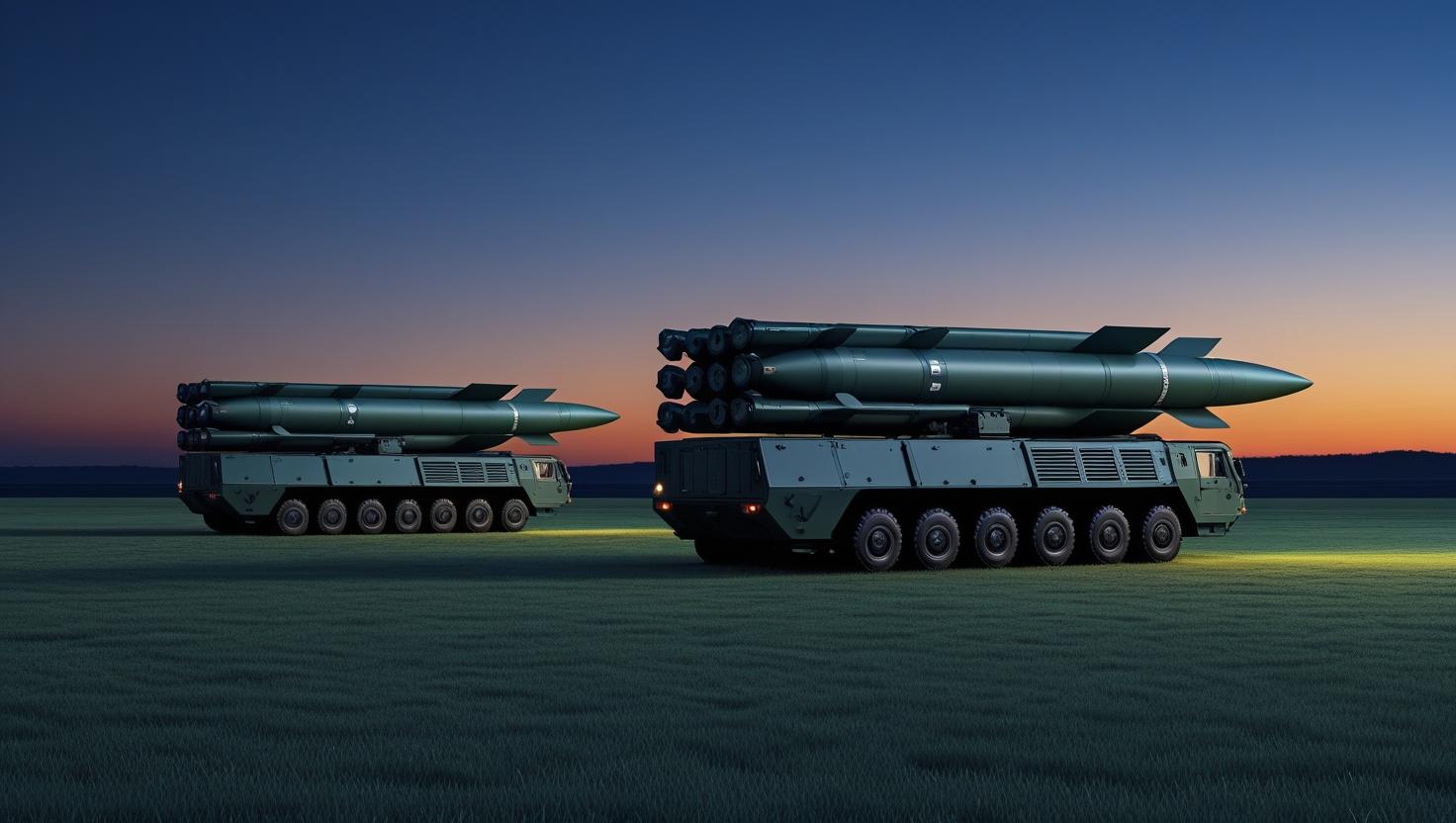
Morocco has brought its Barak MX air and missile defense system into operational service, marking a significant milestone in the country’s air defense modernization efforts. The system was purchased from Israel in 2022, and Israeli media confirmed its activation through satellite-based detection of electronic emissions associated with the deployed batteries.
The Barak MX, developed by Israel Aerospace Industries, provides Morocco with a layered defensive shield capable of engaging a broad range of threats. The system is designed to intercept drones, aircraft, cruise missiles, and ballistic missiles, with an engagement range extending to 150 kilometers, offering expanded coverage across key strategic areas.
Deliveries of the system’s components reportedly began in 2023, enabling Morocco to achieve operational status within a relatively short timeframe. Defense sources characterized the deployment as a desert-adapted equivalent of Israel’s Iron Dome, reflecting its importance in securing Moroccan airspace, particularly over southern regions and the Sahara.
The timing of the activation aligns with heightened regional awareness of unmanned aerial threats, as drones and loitering munitions continue to reshape modern warfare. Analysts have linked Morocco’s move to the evolving security environment and to risks posed by non-state armed groups, including the Polisario Front, which has demonstrated the use of UAVs in past confrontations.
In parallel with weapons deployment, defense cooperation between Morocco and Israel has expanded into local industrial production. In November, BlueBird Aero Systems opened a new facility in Benslimane to manufacture SpyX kamikaze drones, establishing the first Israeli defense production site in North Africa and highlighting Tel Aviv’s growing regional defense footprint.