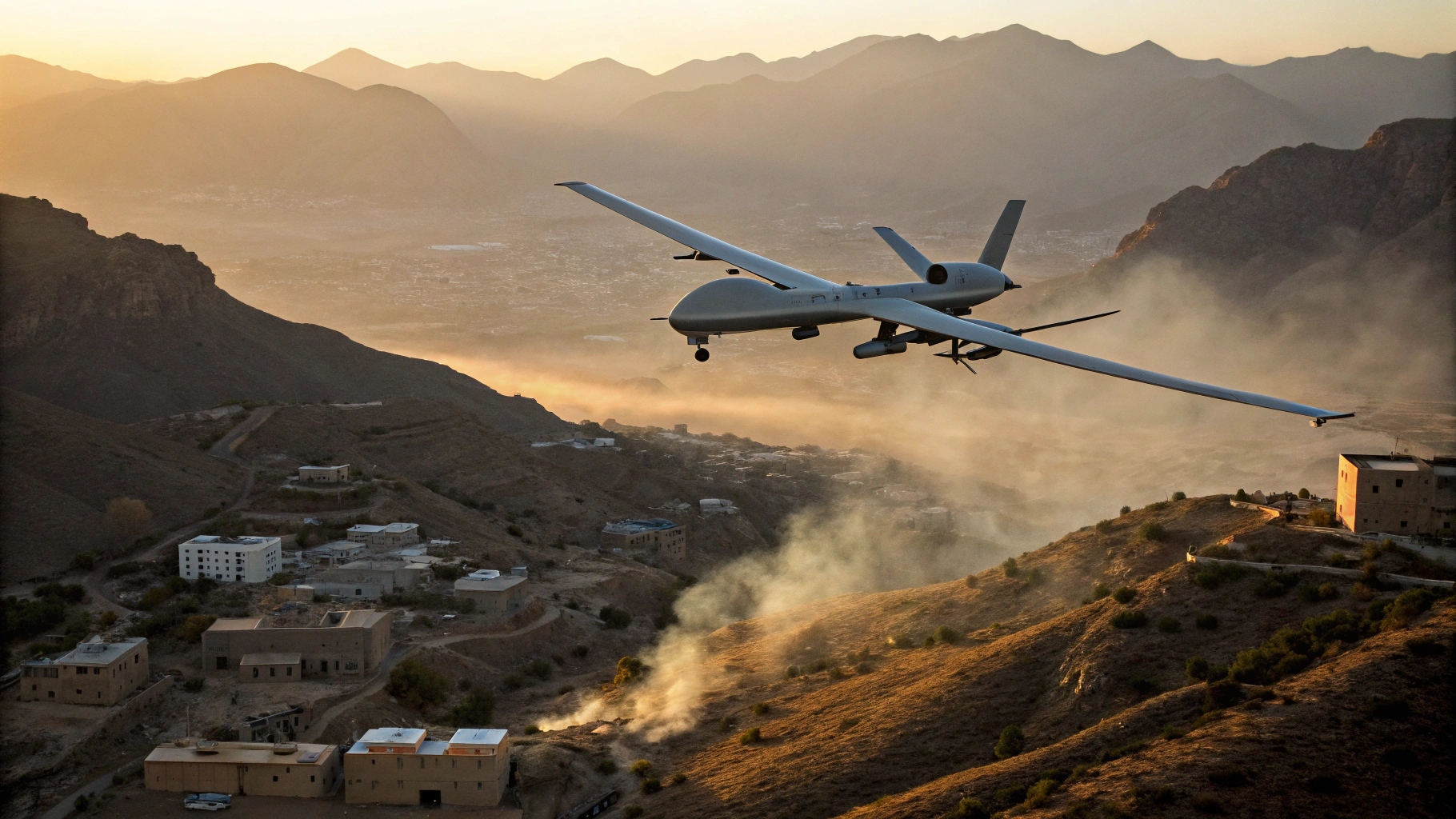
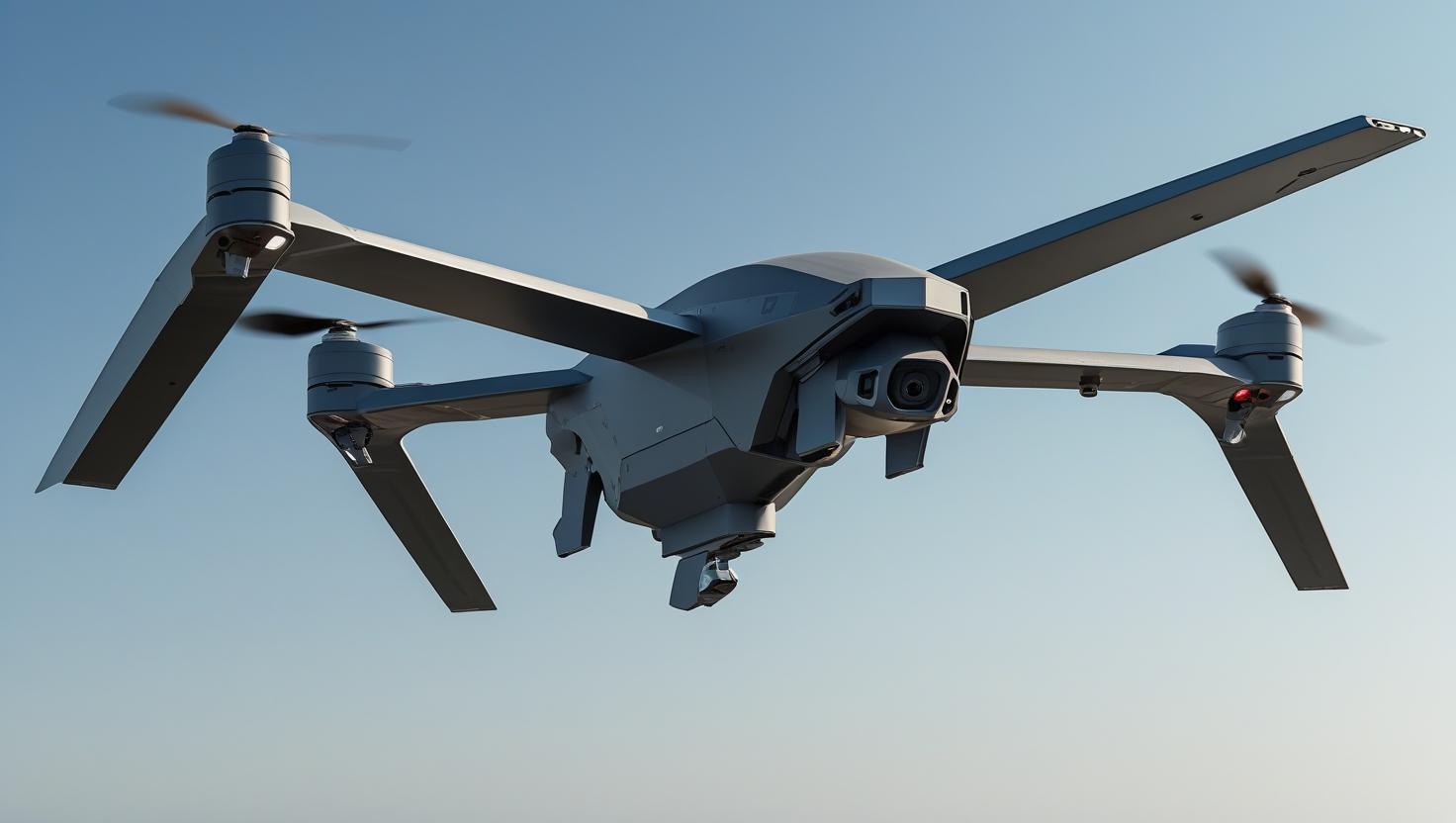
At the 2025 Air, Space & Cyber Conference, Lockheed Martin’s Skunk Works® introduced Vectis, a next-generation Group 5 collaborative combat aircraft (CCA). Designed as a stealthy and versatile unmanned platform, Vectis is intended to work alongside manned fighters in roles ranging from precision strike to electronic warfare and ISR. Lockheed has pledged to deliver a flight-ready prototype within two years, signaling its ambition to take a leading role in the Air Force’s competitive CCA race.
What sets Vectis apart is the speed of its development approach. Rather than waiting for a contract, Lockheed is advancing the aircraft using internal investment, with components already ordered and assembly in progress. The initiative underscores the company’s determination to leap ahead of competitors by bringing a working prototype to market faster than expected, reshaping both technical and media narratives around CCA development.
Unlike many CCA concepts focused on affordability and attritable use, Vectis is envisioned as a resilient, multi-mission platform designed for operations inside heavily contested battlespace. Its design integrates stealth know-how, fighter-jet system expertise, and digital engineering tools into a single flexible airframe. Lockheed emphasizes that this combination creates a system that is modular, customizable, and capable of adapting to diverse operational needs.
The aircraft incorporates a fully open mission system architecture that complies with emerging Department of Defense standards. This design allows rapid payload changes and supports integration across multiple vendors. Lockheed has also confirmed that Vectis will be interoperable with the MDCX™ control framework, enabling seamless connection to both existing and future command-and-control systems used by the U.S. and allied forces.