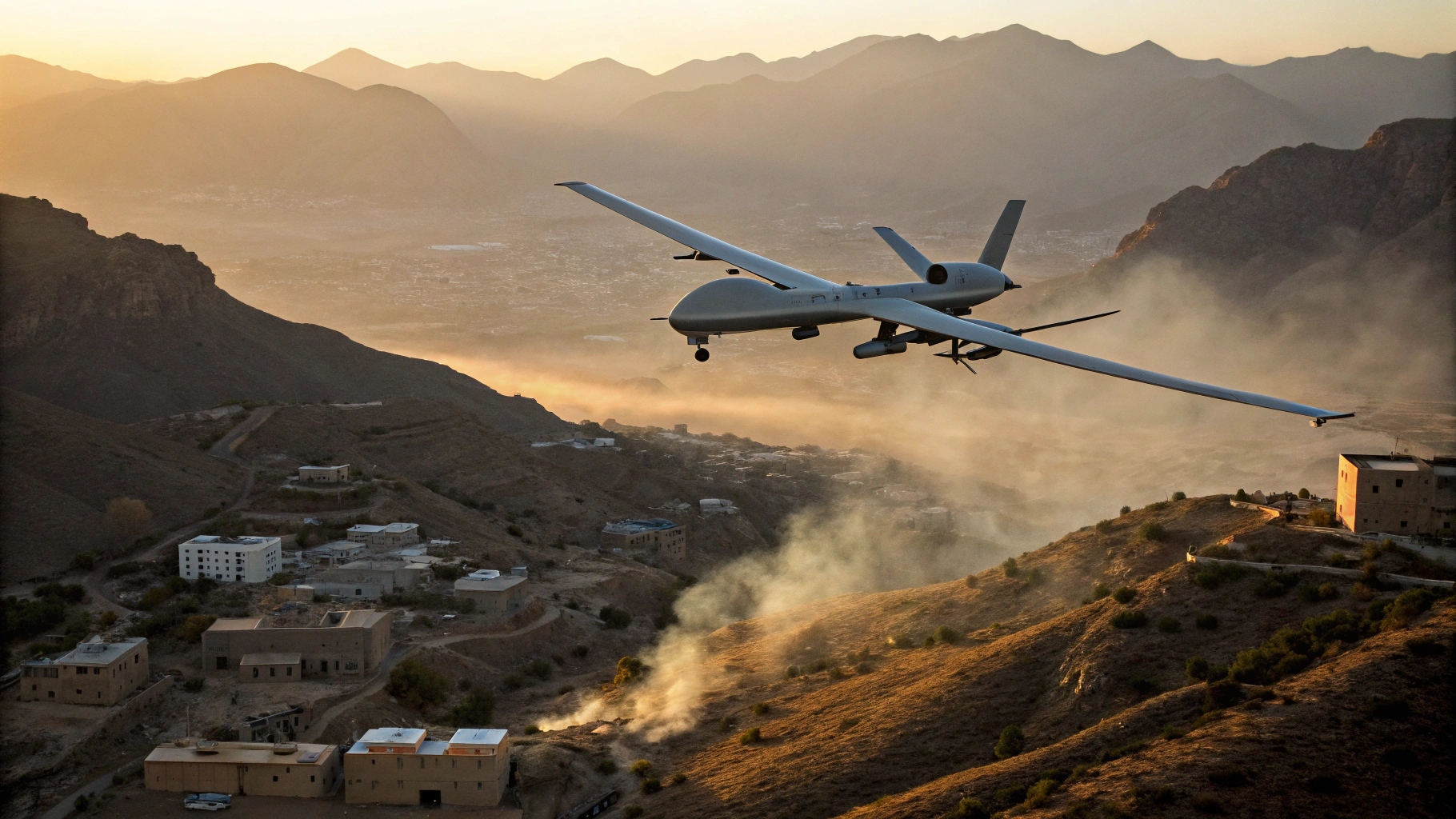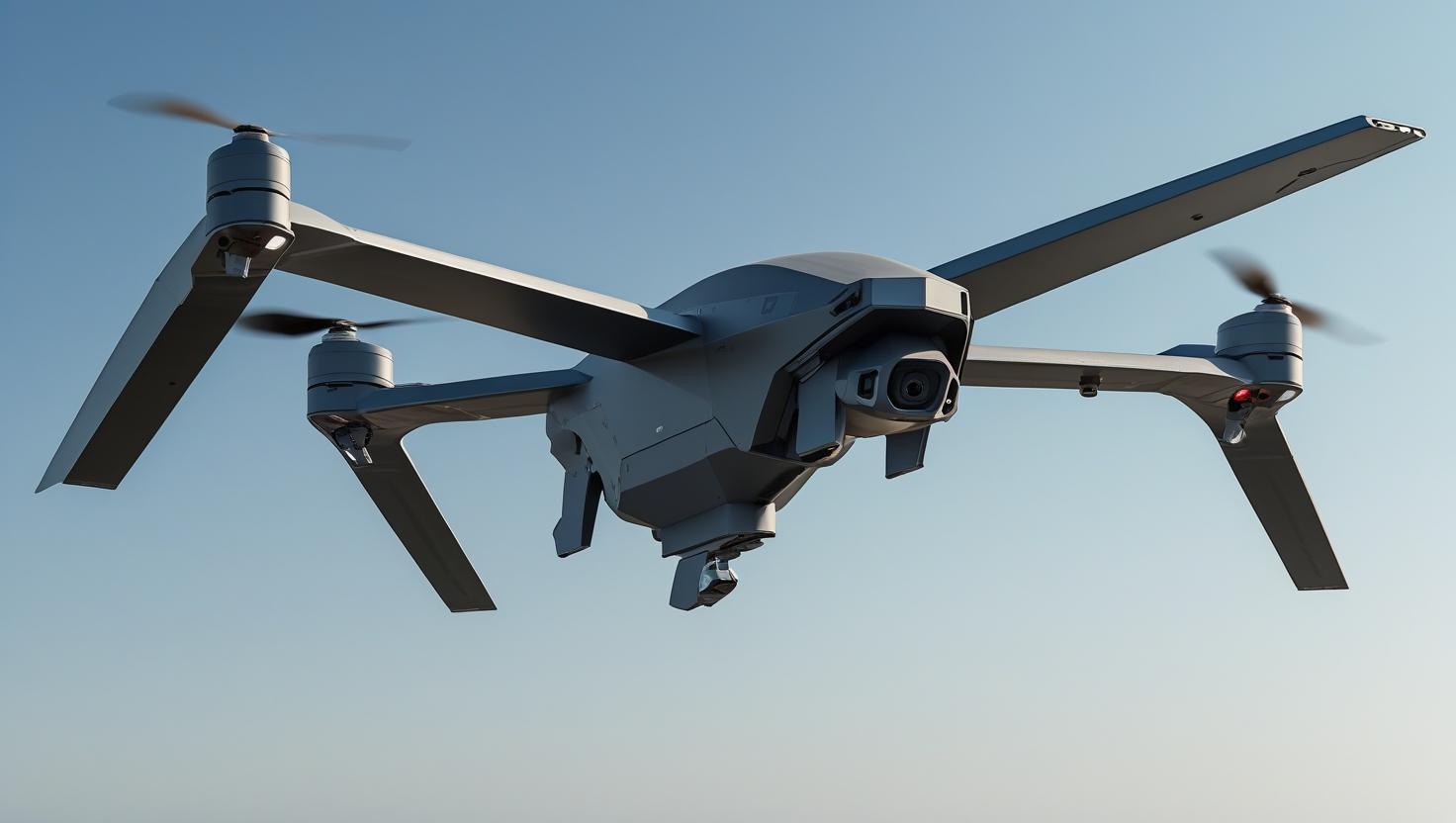

US military officials have identified significant capability gaps in North America’s ability to defend against swarms of inexpensive drones. Lt. Gen. Joseph Jarrard stated that NORTHCOM and NORAD currently lack sufficient sensors and interception systems to manage large numbers of unmanned aircraft operating within or near domestic territory. Low-cost drones have become increasingly common in conflicts worldwide because they are affordable, flexible, and difficult to detect using conventional radar systems. Their growing use has demonstrated how relatively simple technologies can challenge sophisticated defense networks. As a result, military planners are reassessing the requirements for homeland air defense. According to defense officials, countering drone swarms is not only a matter of detection but also of tracking, identifying, and neutralizing threats efficiently. Effective responses may require layered systems combining radar, optical sensors, electronic warfare equipment, directed-energy technologies, and lower-cost interceptors. For NORTHCOM and NORAD, adapting to this evolving threat environment is essential because their missions involve protecting North American airspace from a wide range of aerospace risks. The increasing use of drones highlights the need for modern surveillance networks and affordable defensive solutions that can sustain operations against large numbers of targets over extended periods.