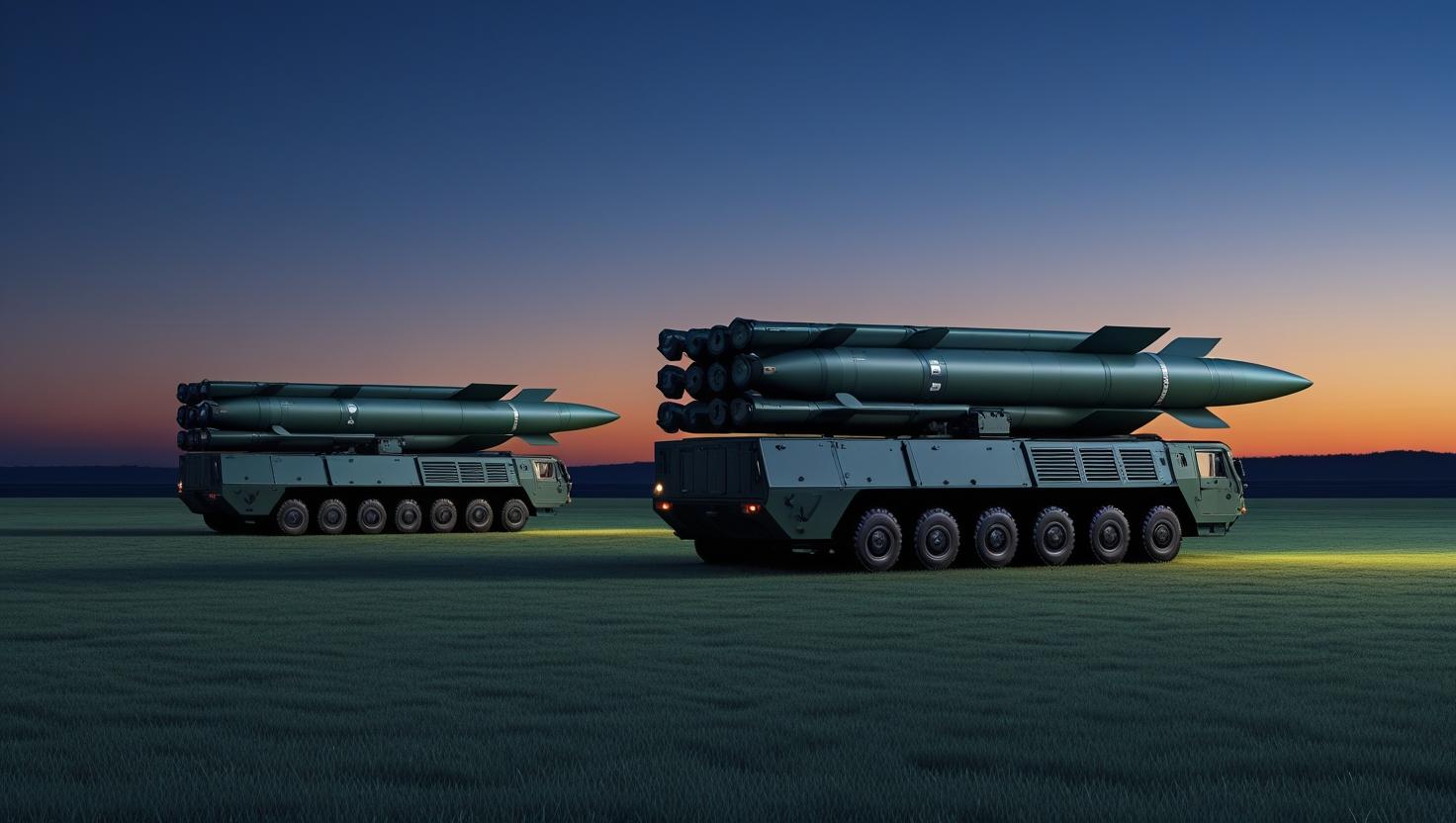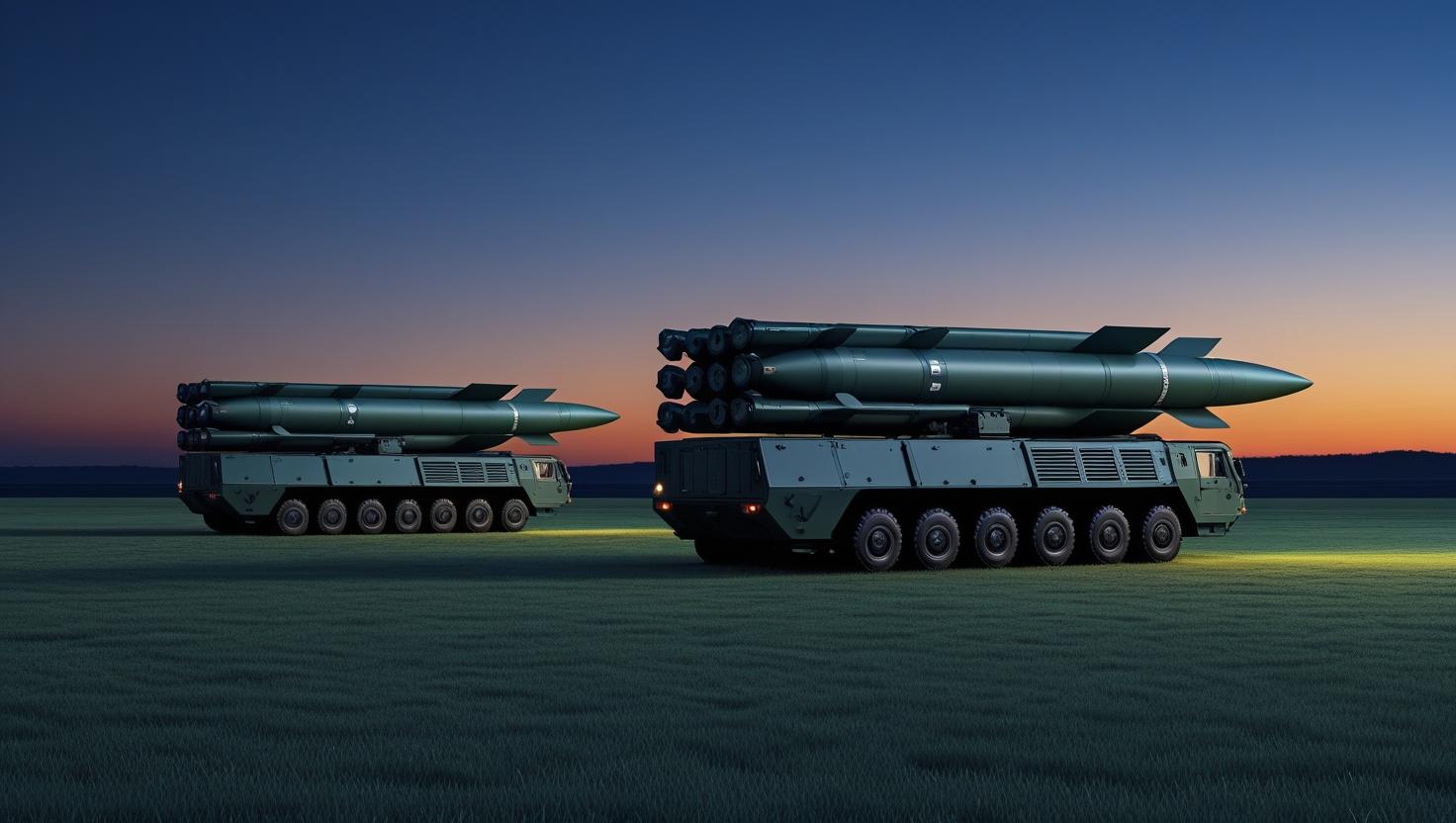

The FY2026 U.S. missile defense acquisition plan signals a renewed push to sustain and modernize the THAAD air and missile defense system, with discretionary funding allocated for the purchase of 25 new interceptors. Additional funding will support interceptor reliability initiatives and obsolescence mitigation programs as the Pentagon responds to increasingly sophisticated ballistic missile threats. Defense officials have highlighted THAAD as a critical layer in U.S. and allied missile defense architecture.
A major focus of the FY2026 effort is the modernization of THAAD ground-based battery components, addressing aging electronics and hardware vulnerabilities. These upgrades are essential to ensuring long-term system availability and are tightly integrated with efforts to connect THAAD to the Army’s IBCS network. Once networked, THAAD batteries will be able to share sensor and fire-control data across joint and coalition forces, significantly expanding engagement opportunities and survivability in contested environments.
The plan also funds ongoing development to improve THAAD’s effectiveness against evolving threats. Engineering enhancements target interceptor guidance, discrimination algorithms, propulsion systems, and software robustness, improving the system’s ability to defeat missiles using countermeasures or complex flight profiles. These improvements are particularly relevant as adversaries pursue hypersonic glide vehicles and advanced ballistic missile designs that compress engagement timelines.
In parallel, mandatory FY2026 funding supports the procurement of 12 additional THAAD interceptors and accelerates key obsolescence mitigation initiatives. This funding stream underpins the development of THAAD Next Generation capabilities, including improved digital processing and enhanced kinematic performance. Pentagon planners expect these upgrades to extend THAAD’s operational relevance into the 2030s, ensuring it remains a cornerstone of U.S. integrated air and missile defense.