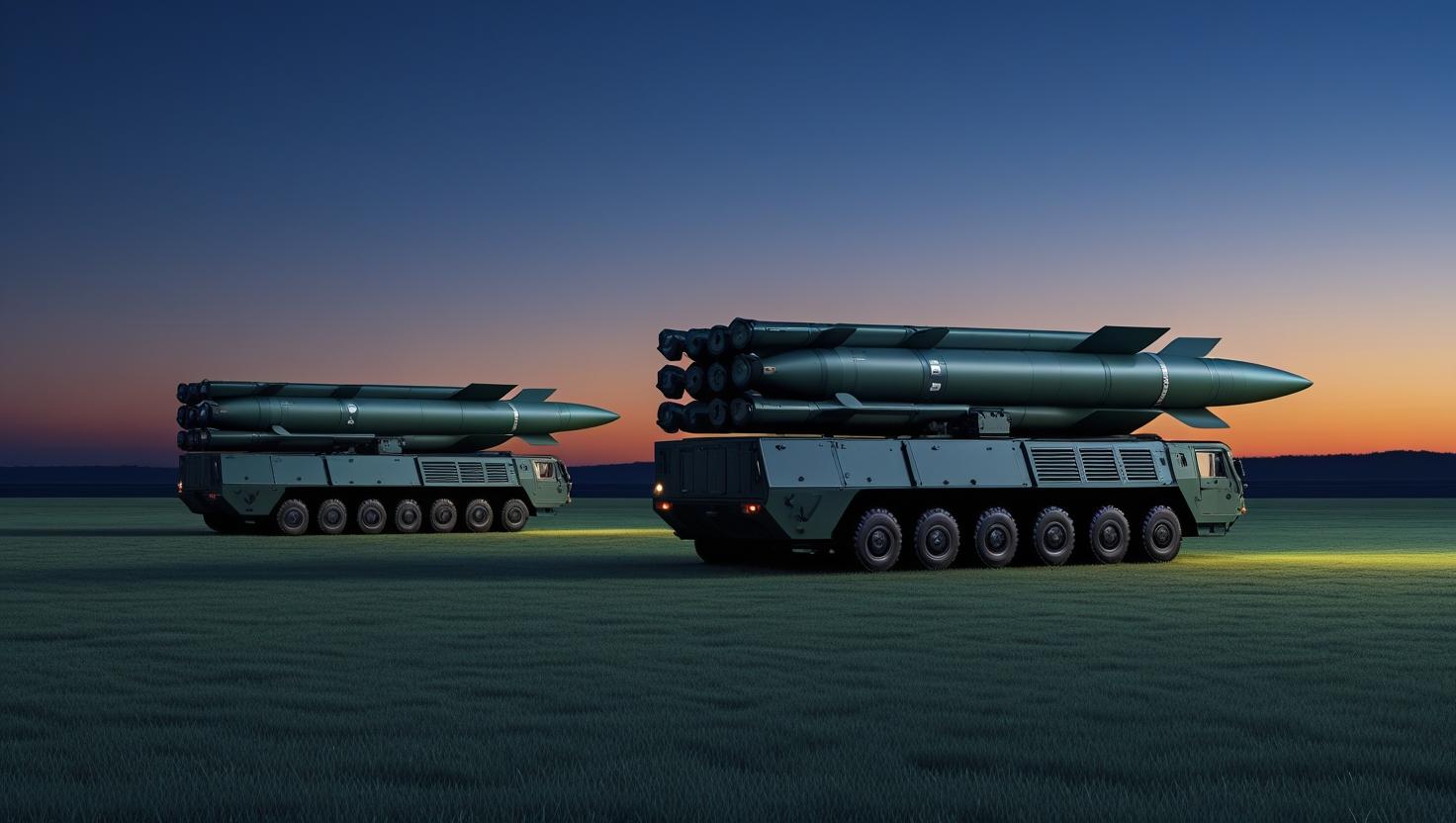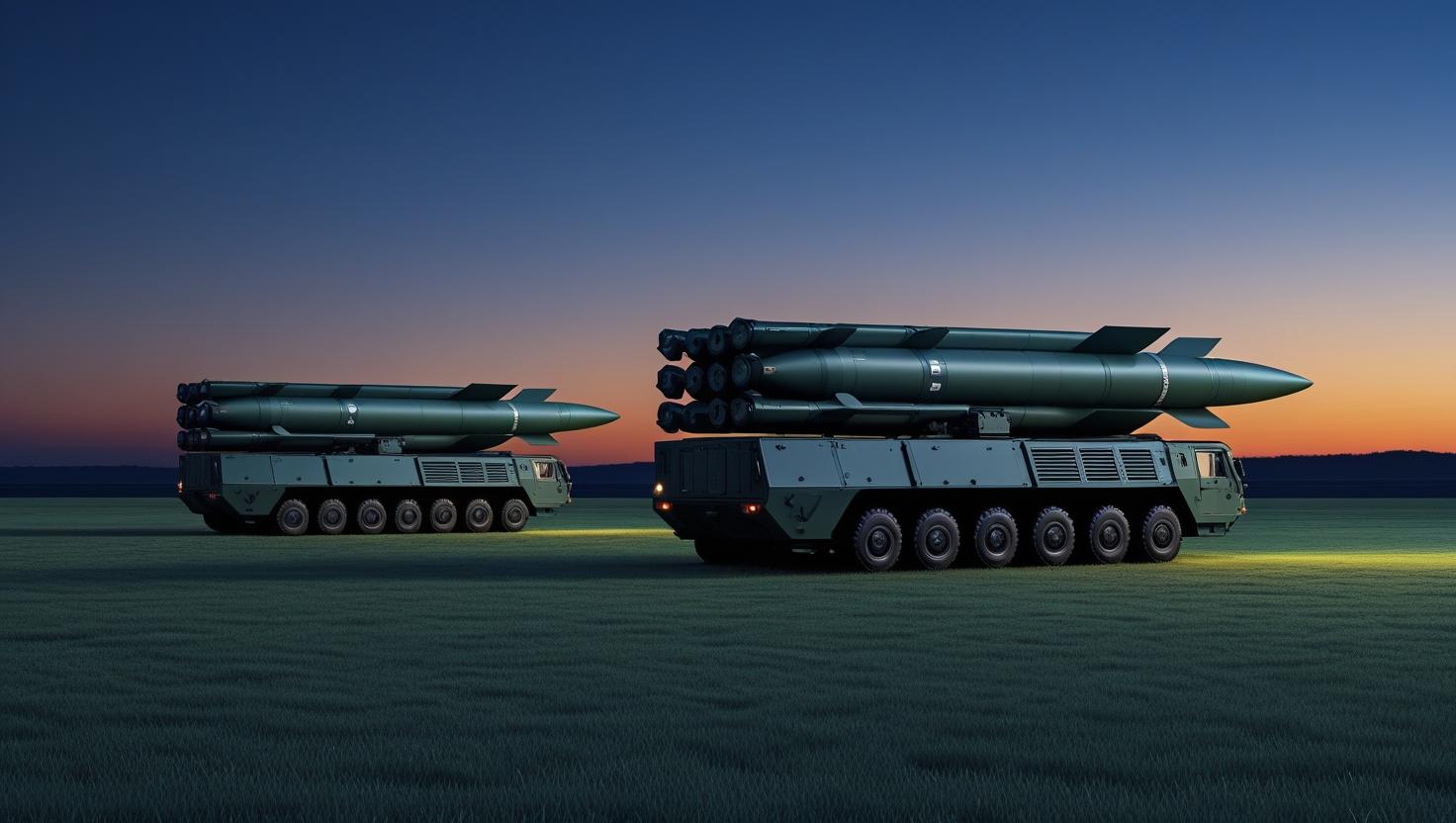
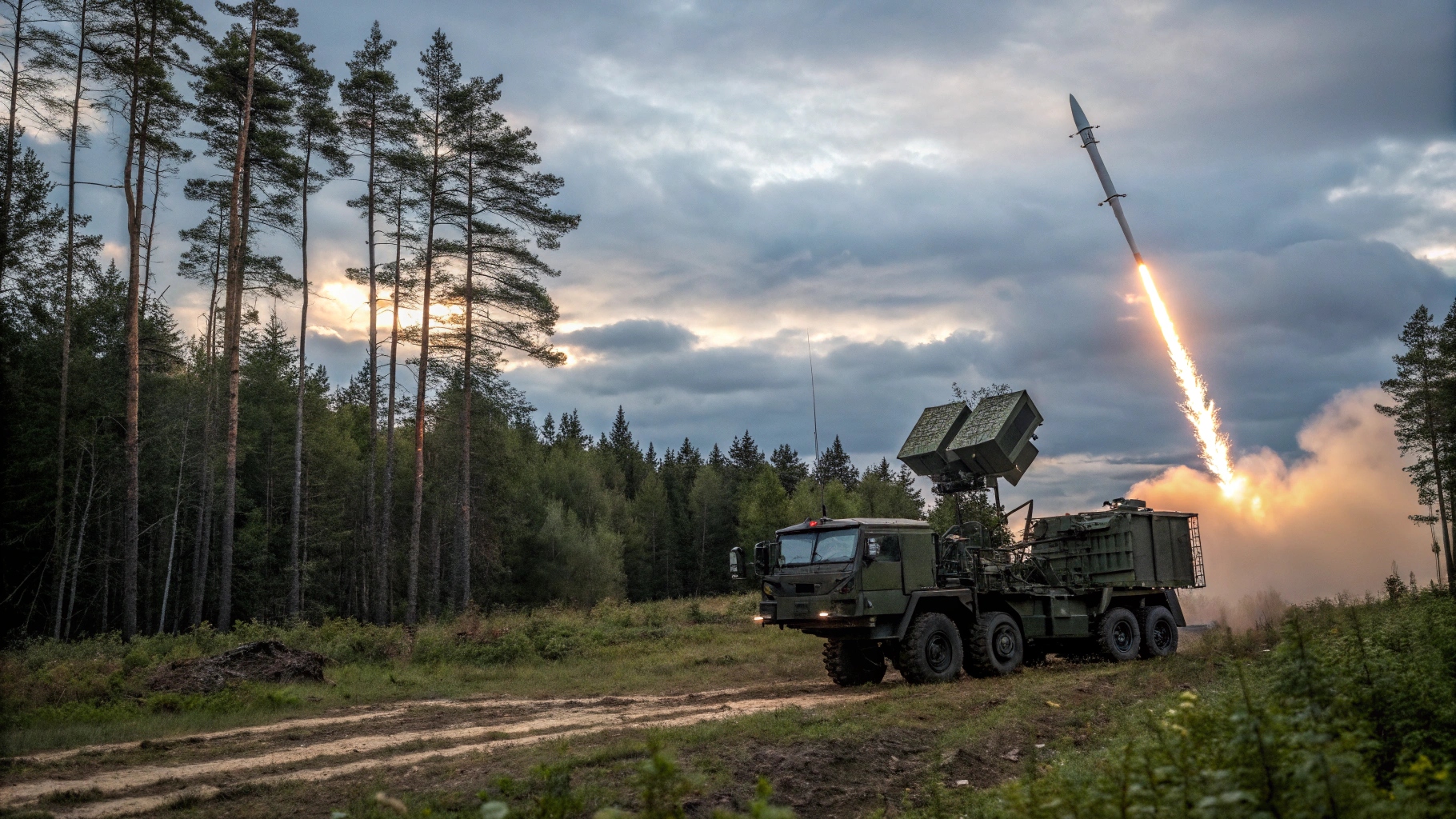
Tokyo is engaging in quiet, early-stage talks with the Philippines regarding the possible export of the Type 03 Chu-SAM air defense system, a development that could redefine Japan’s role in regional security. The initiative coincides with Japan’s plan to overhaul its restrictive arms-export framework, which has long barred the transfer of lethal systems. If the deal proceeds, it would provide Manila with a modern medium-range air-defense capability as it confronts intensified Chinese activity in the South and West Philippine Seas.
The informal negotiations reflect growing strategic alignment between the two U.S. allies as regional tensions escalate. Prime Minister Sanae Takaichi’s government is preparing to scrap the long-standing “five functional categories” that limit defense exports to non-lethal roles such as patrol, transport, rescue, and surveillance. Tokyo’s willingness to consider transferring the Chu-SAM—one of the Japan Ground Self-Defense Force’s premier air-defense assets—highlights the depth of Japan-Philippines security cooperation.
Under Japan’s existing Three Principles on Transfer of Defense Equipment and Technology, full lethal systems are largely prohibited from export. Only a narrow set of exceptions—mainly licensed components returned to original manufacturers—have been allowed. For years, official policy statements have reiterated these limitations, even as Japan expands joint development programs with Western partners and modernizes its own defense industry.
Revising these rules to enable the export of complete missile systems would mark a landmark policy change for Tokyo and potentially reshape the Indo-Pacific security landscape. For the Philippines, securing the Chu-SAM would provide a significant upgrade to its ability to deter air and missile threats, deepening Manila’s partnership with Japan at a time of heightened regional competition with China.