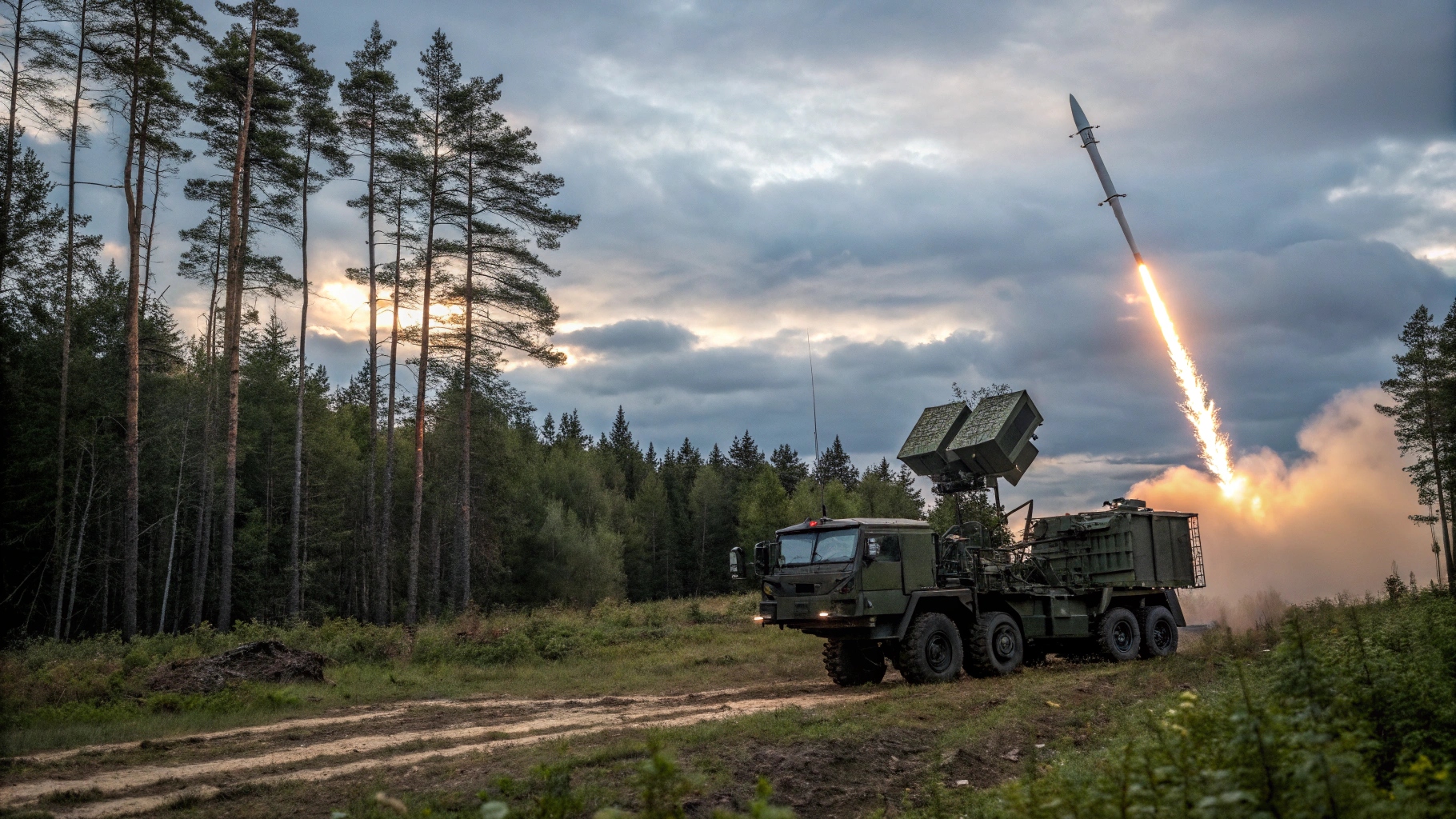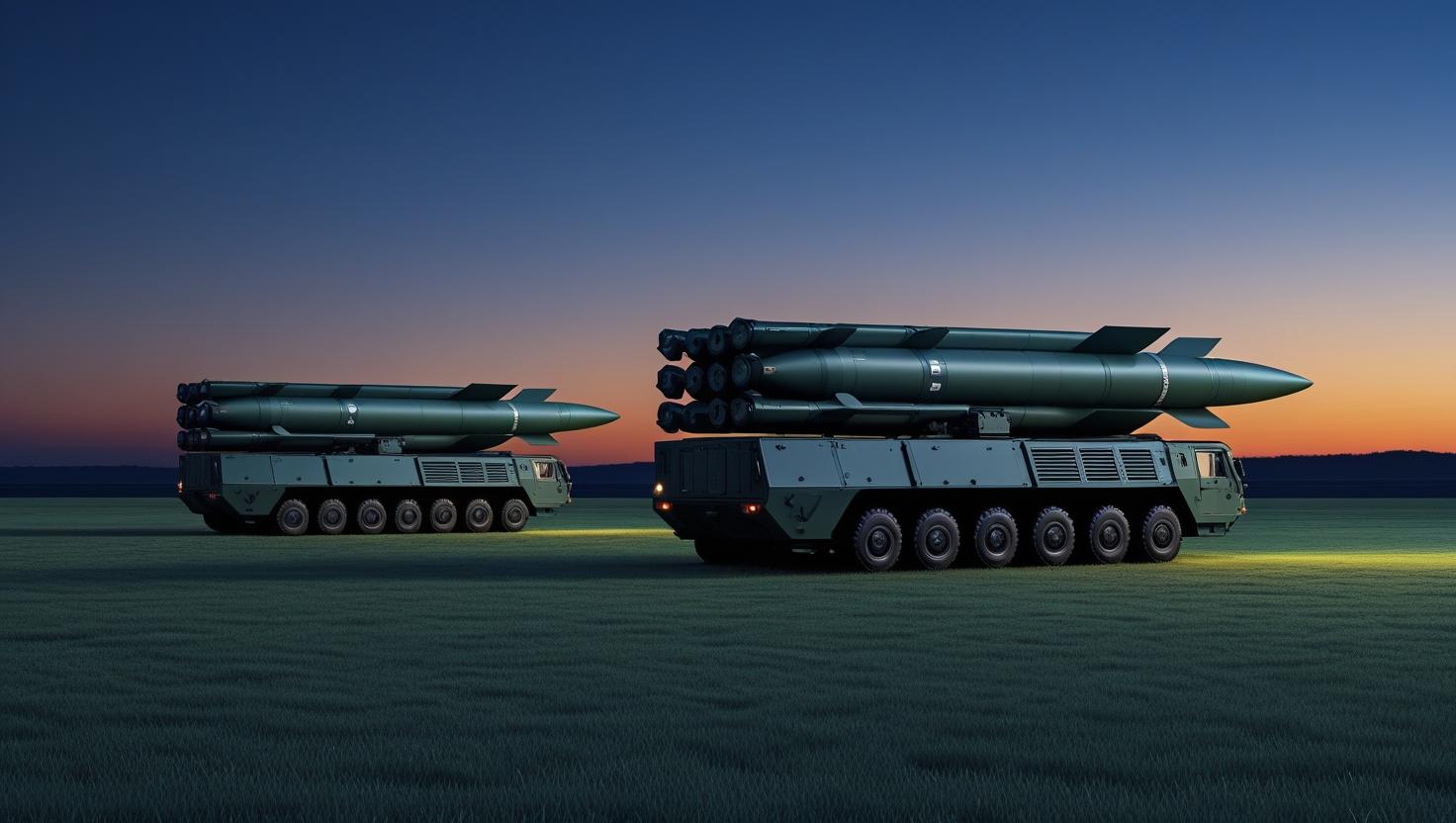
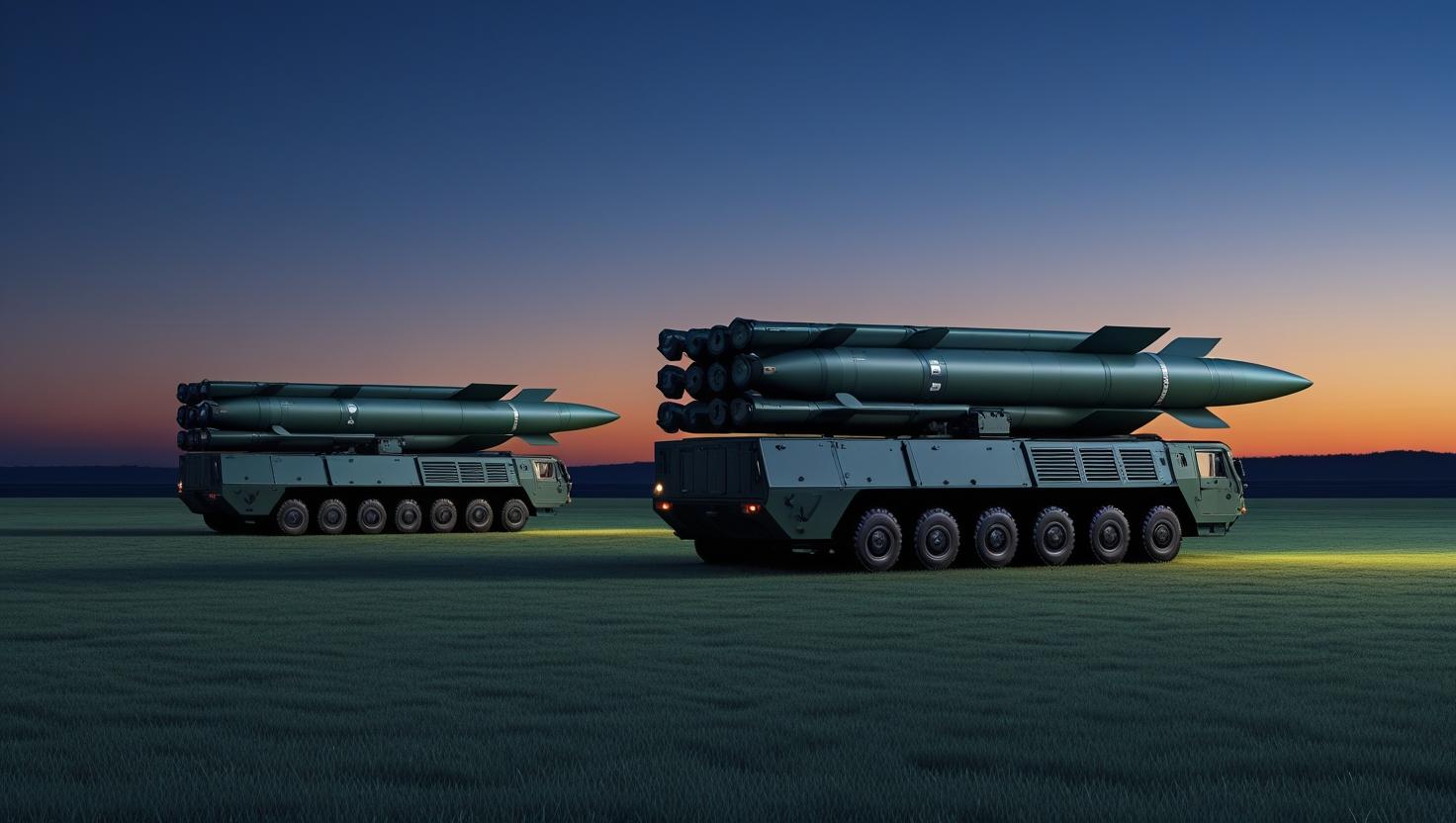
Russia’s latest strike on western Ukraine has drawn heightened attention after Moscow confirmed the use of its new Oreshnik intermediate-range ballistic missile, a system defense experts say is intended to reshape strategic calculations across NATO. The missile strike on Lviv marked only the second operational deployment of the weapon, reinforcing concerns that Russia is accelerating the fielding of advanced long-range strike capabilities.
According to the Russian Ministry of Defense, the launch was successful, though Western officials emphasize that the military impact on the ground was secondary to the message it conveyed. With a reported range of more than 5,500 kilometers and hypersonic speeds exceeding Mach 10, the Oreshnik represents a significant evolution of Russia’s land-based missile forces. Defense analysts identify the missile as a derivative of the RS-26 Rubezh, adapted to fill a gap in Moscow’s intermediate-range hypersonic arsenal.
What distinguishes the Oreshnik from earlier systems is its capacity to overwhelm modern missile defenses. The missile is assessed to carry multiple maneuverable reentry vehicles capable of deploying several submunitions each, creating a dense cloud of high-speed targets. This design complicates interception efforts by saturating defensive systems while sharply reducing reaction time for radar and command networks across Europe.
Strategically, the missile appears tailored to deter Western involvement by holding critical NATO infrastructure and political centers at risk. Unlike air-launched systems such as the Kinzhal—some of which have been intercepted over Ukraine—the Oreshnik’s ground-launched ballistic trajectory, higher altitude profile, and heavier payload signal a shift toward weapons intended to penetrate layered missile defense architectures. While U.S. and allied systems such as THAAD, Aegis SM-3, and Arrow 3 may offer theoretical countermeasures, defense planners acknowledge that intercepting a MIRV-capable hypersonic missile remains one of the most complex challenges in modern air and missile defense.