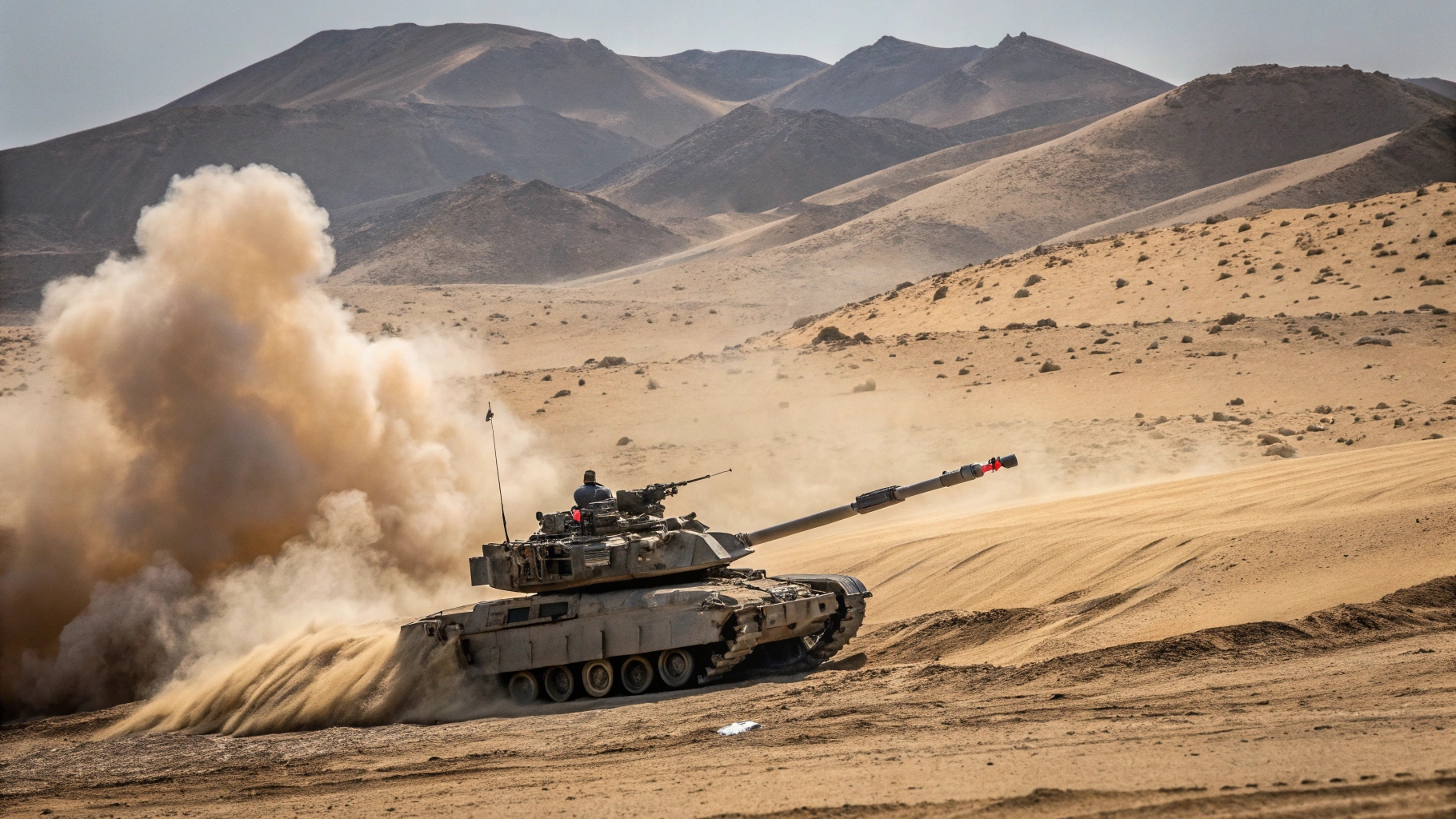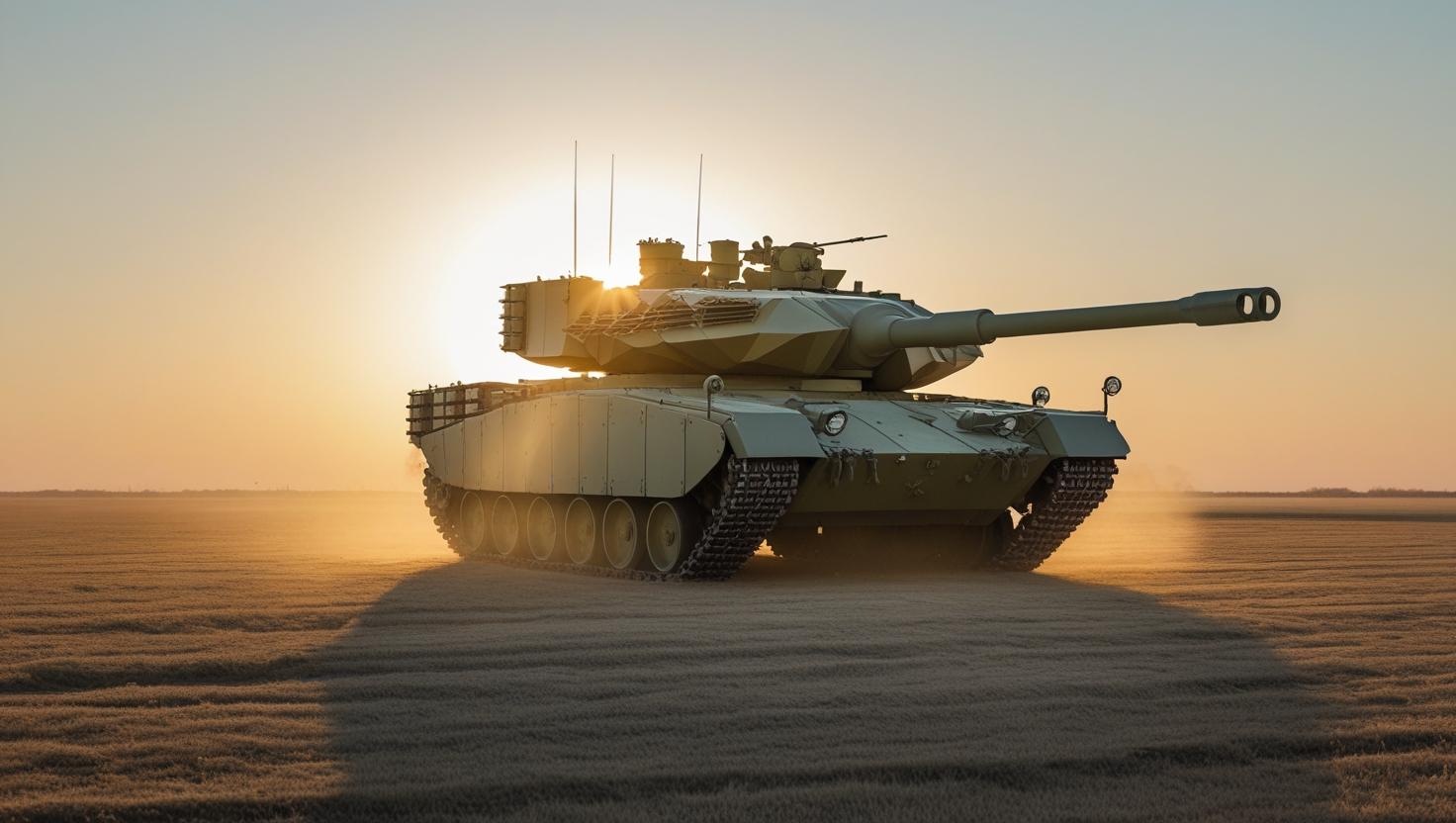
In a move to revolutionize its armored warfare capabilities, Hyundai Rotem of South Korea has begun work on the K3 main battle tank, a next-generation armored vehicle intended to eventually replace the K2 MBT in frontline service.
The K3 is being developed under the guidance of South Korea’s top defense authorities and will initially adopt a hybrid propulsion system combining hydrogen fuel cells and diesel power. Over time, engineers plan to transition to a fully hydrogen-based system, positioning the K3 as a groundbreaking example of clean-energy combat technology.
The integration of hydrogen fuel cells is expected to deliver a variety of tactical advantages. These include a quieter acoustic profile, lower infrared signature, and increased fuel economy, all of which contribute to stealthier movement and reduced vulnerability in hostile environments. Moreover, the tank’s advanced mobility and reduced mechanical complexity are likely to translate into lower maintenance demands and enhanced terrain handling.
By spearheading this initiative, South Korea is not only improving the future performance of its armored forces but also aligning military innovation with sustainable energy objectives—a step that could influence future defense strategies globally.