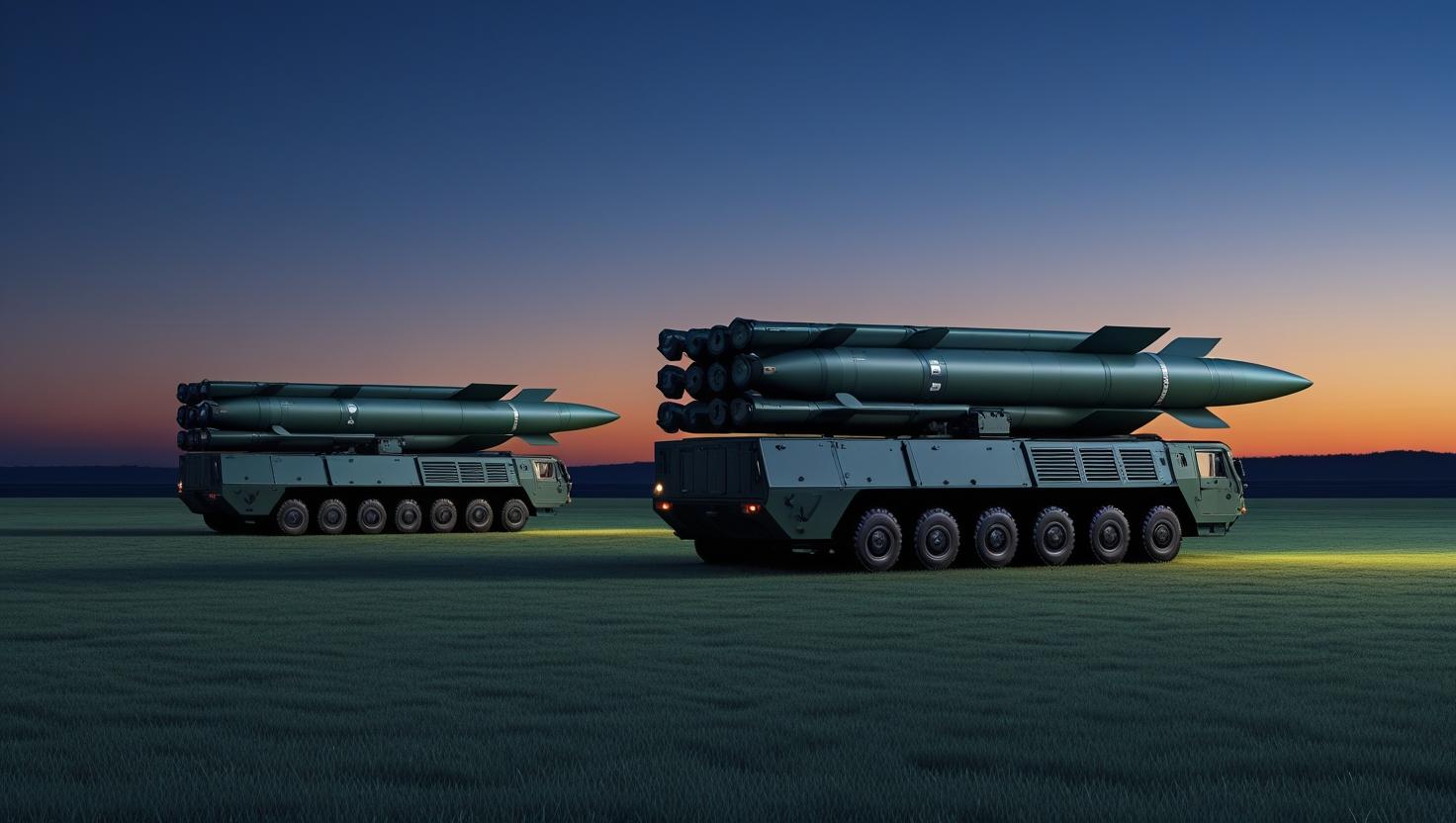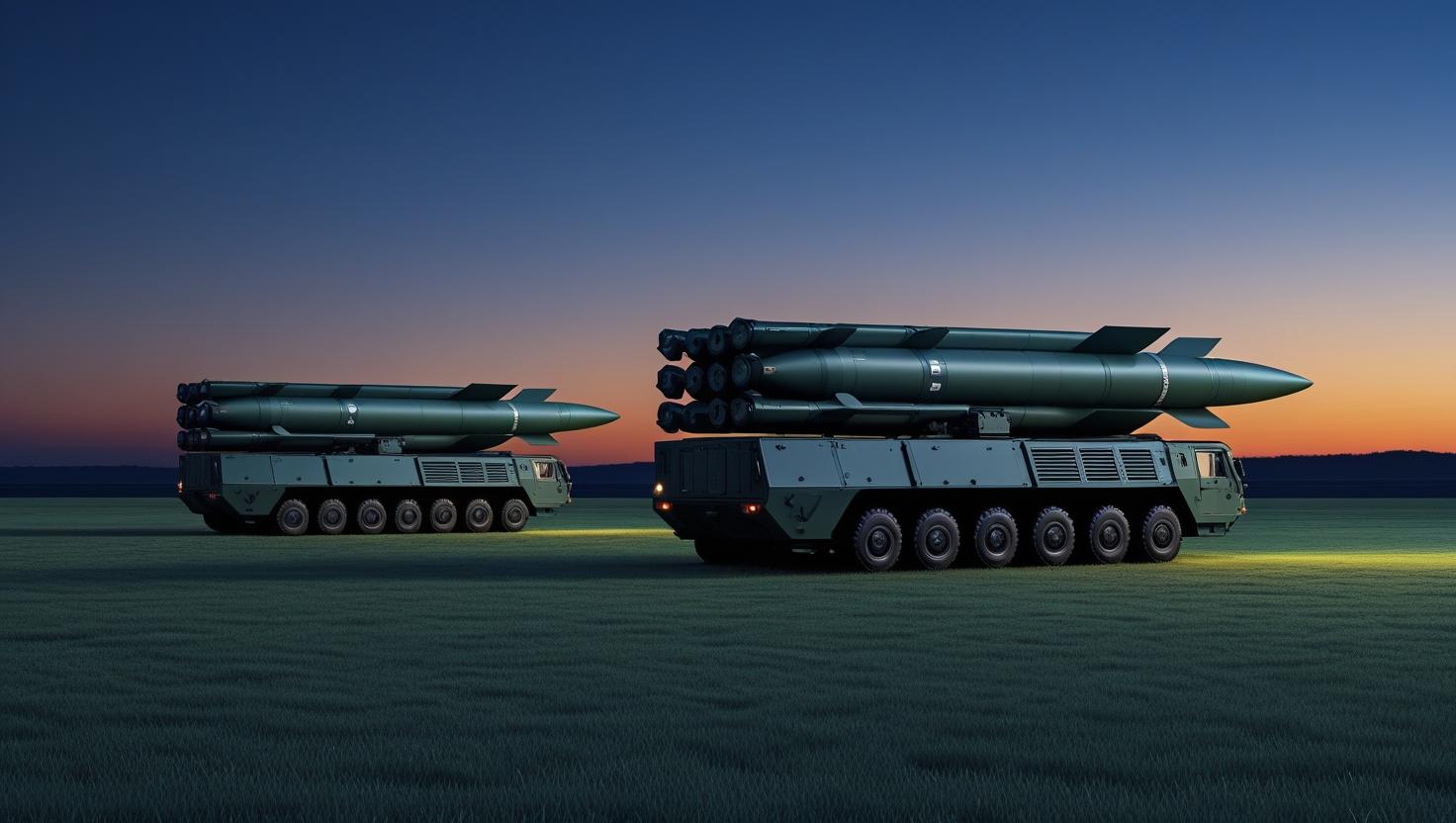

Lockheed Martin is significantly ramping up production of its THAAD missile defense interceptors following a new agreement with the US Department of Defense, aimed at reinforcing air and missile defenses amid growing international demand. The deal will raise annual interceptor output from fewer than 100 units to as many as 400, marking one of the largest expansions in US missile manufacturing capacity in recent years.
THAAD is designed to counter ballistic missile threats in their final phase of flight, intercepting targets before impact using hit-to-kill collision technology. The system provides high-altitude coverage and works in coordination with other missile defense assets, including the Patriot PAC-3, to create a layered shield against evolving missile threats.
As part of the expansion, Lockheed Martin will construct a new advanced manufacturing facility in Arkansas, focused on accelerating production through automation and digital processes. The Munitions Acceleration Center will support THAAD, PAC-3, and additional missile programs while helping the company scale output to meet long-term defense requirements.
The production push builds on a series of major US defense contracts secured by Lockheed Martin, including a $9.8-billion Patriot PAC-3 MSE order awarded by the US Army in 2025. Additional agreements aim to increase PAC-3 interceptor production to 2,000 units annually, while Lockheed Martin Space continues work on Trident II missile production and sustainment, reinforcing the company’s central role in US and allied missile defense through the next decade.