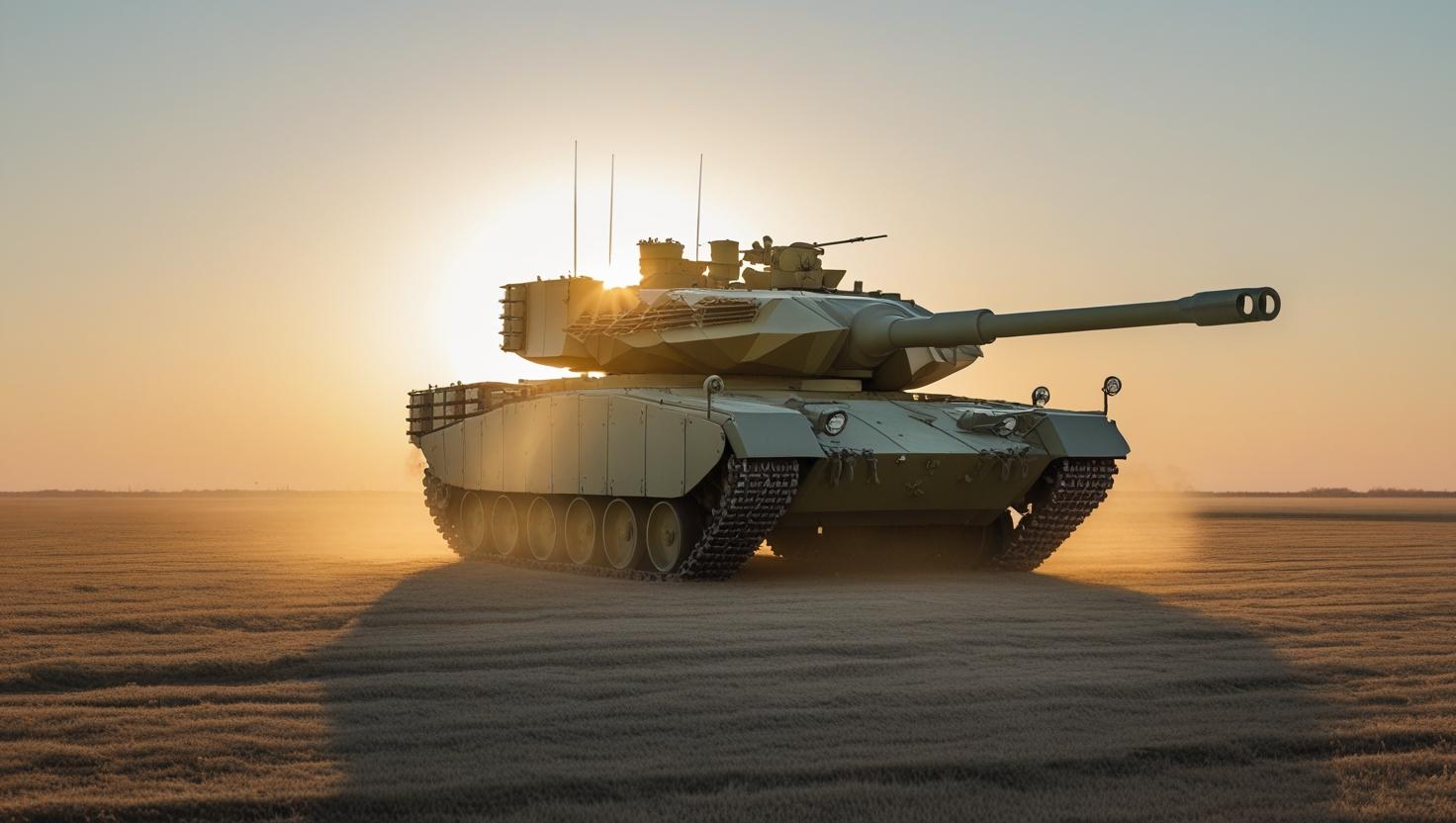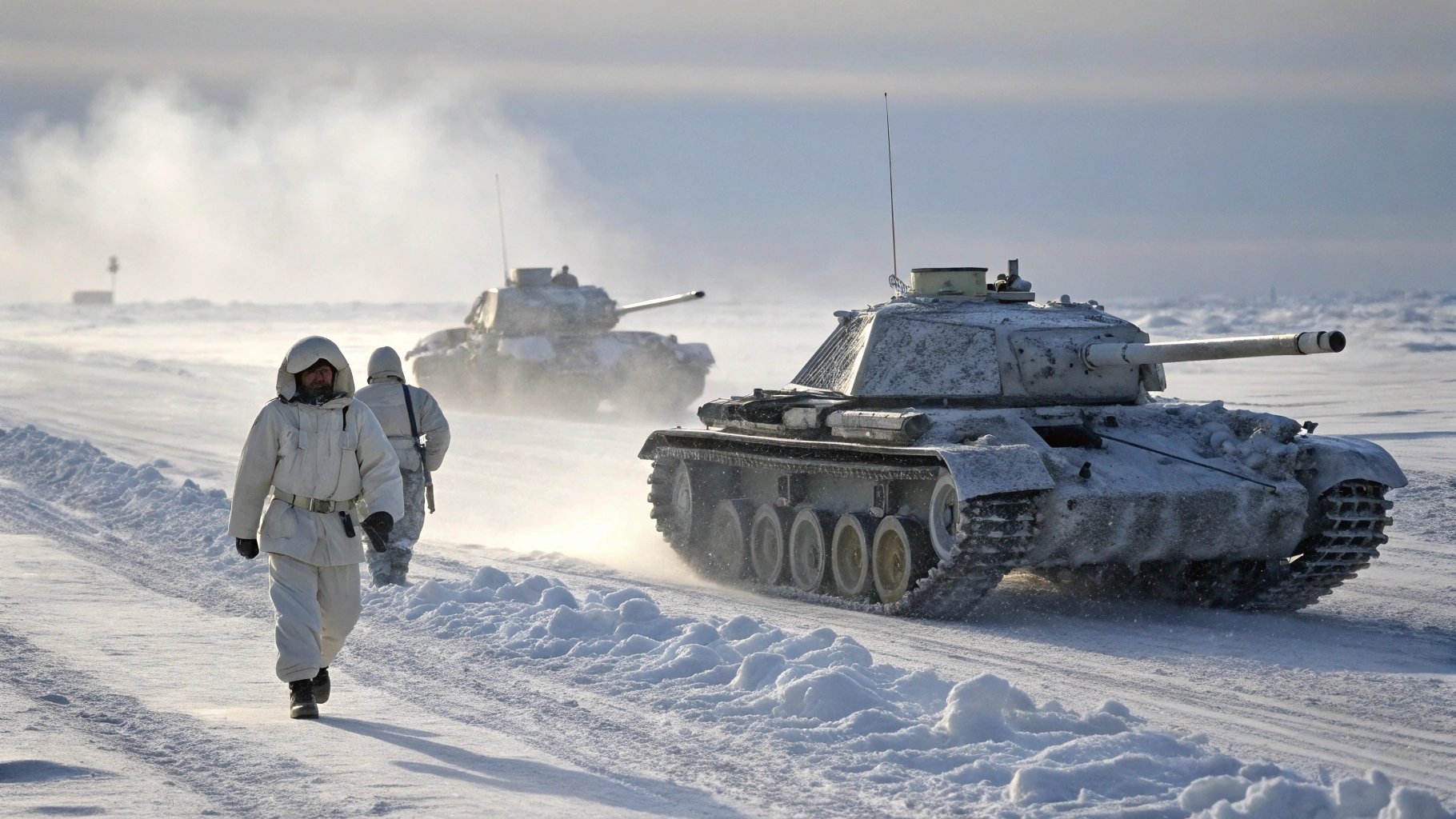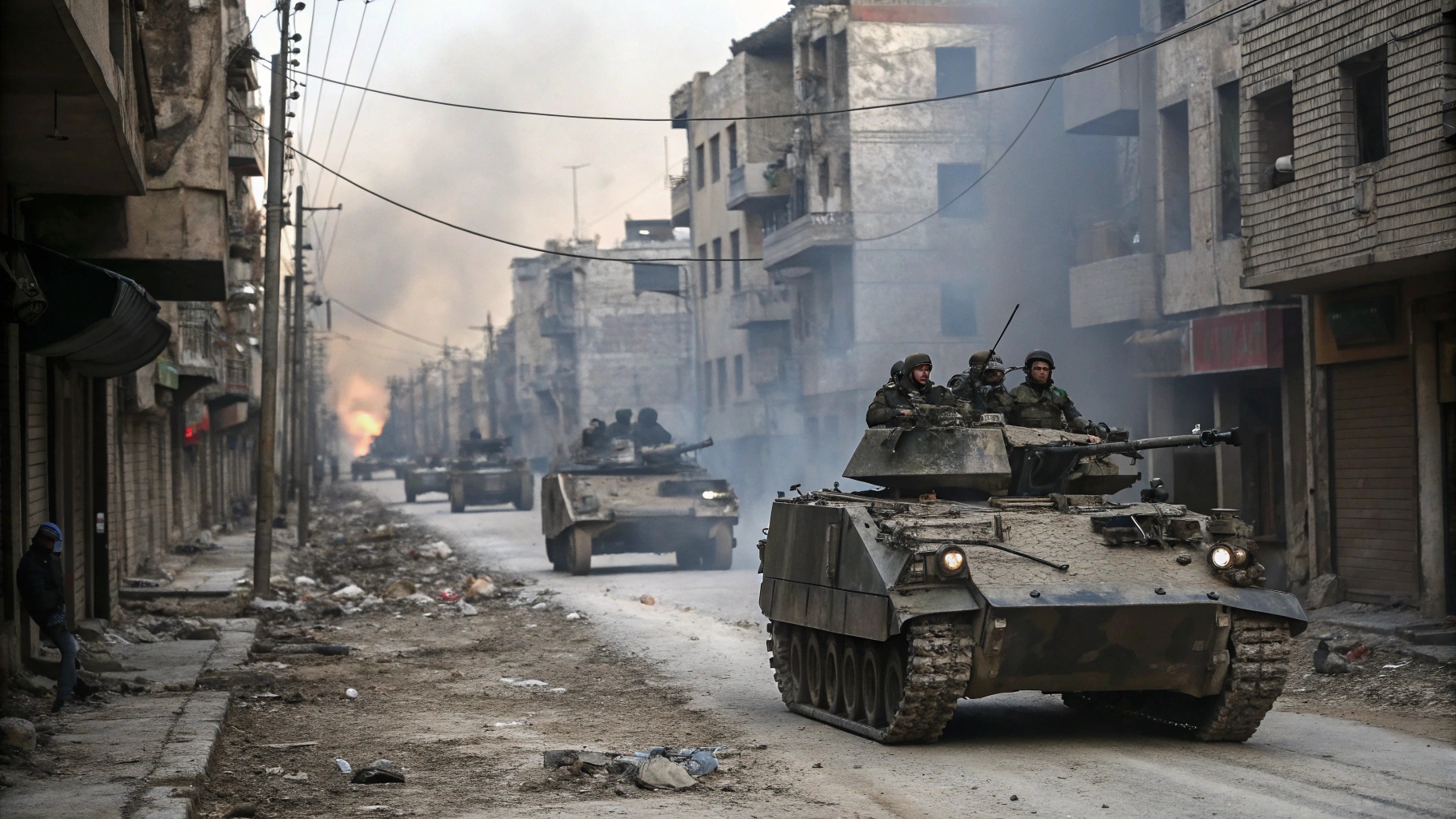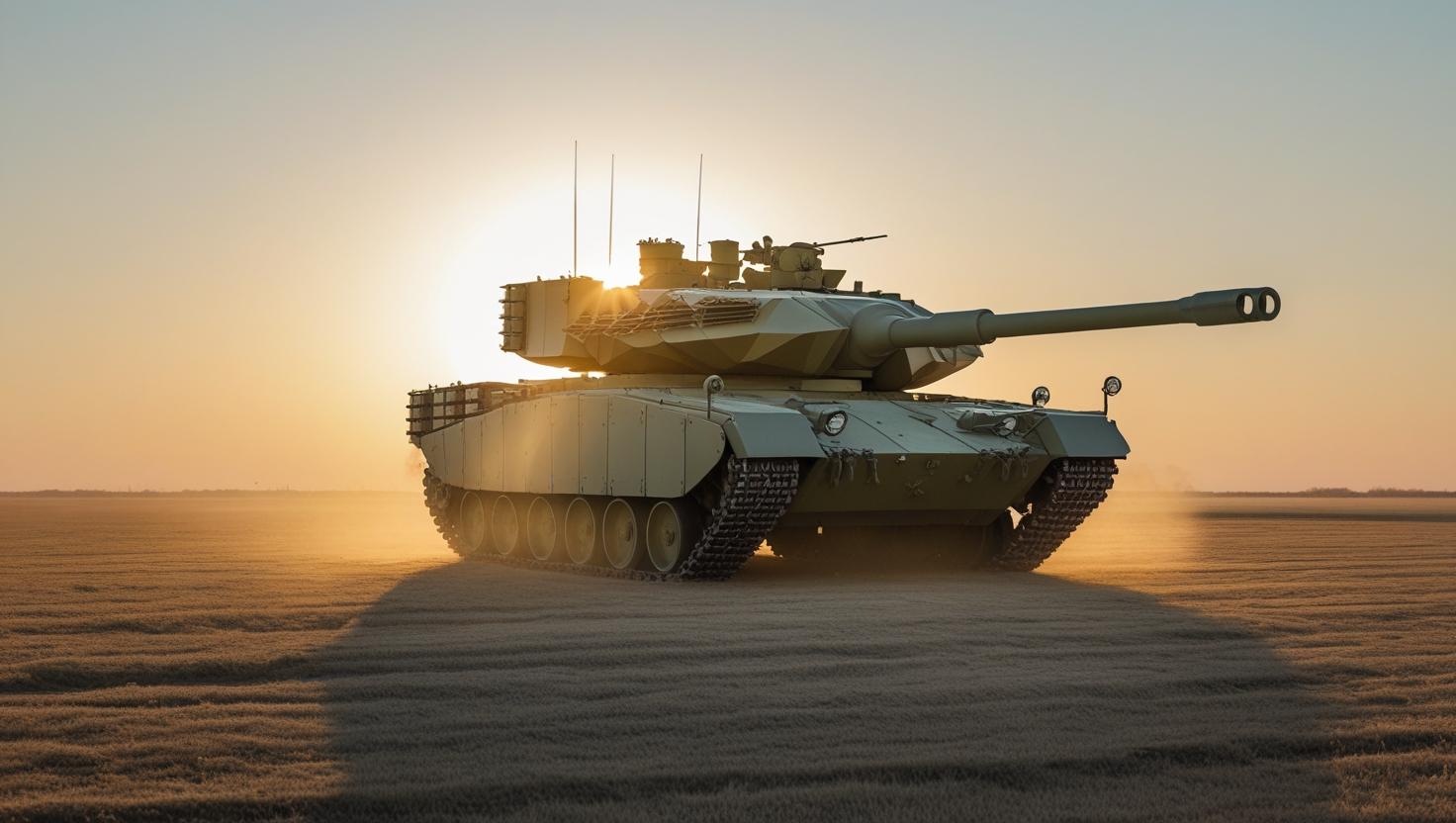
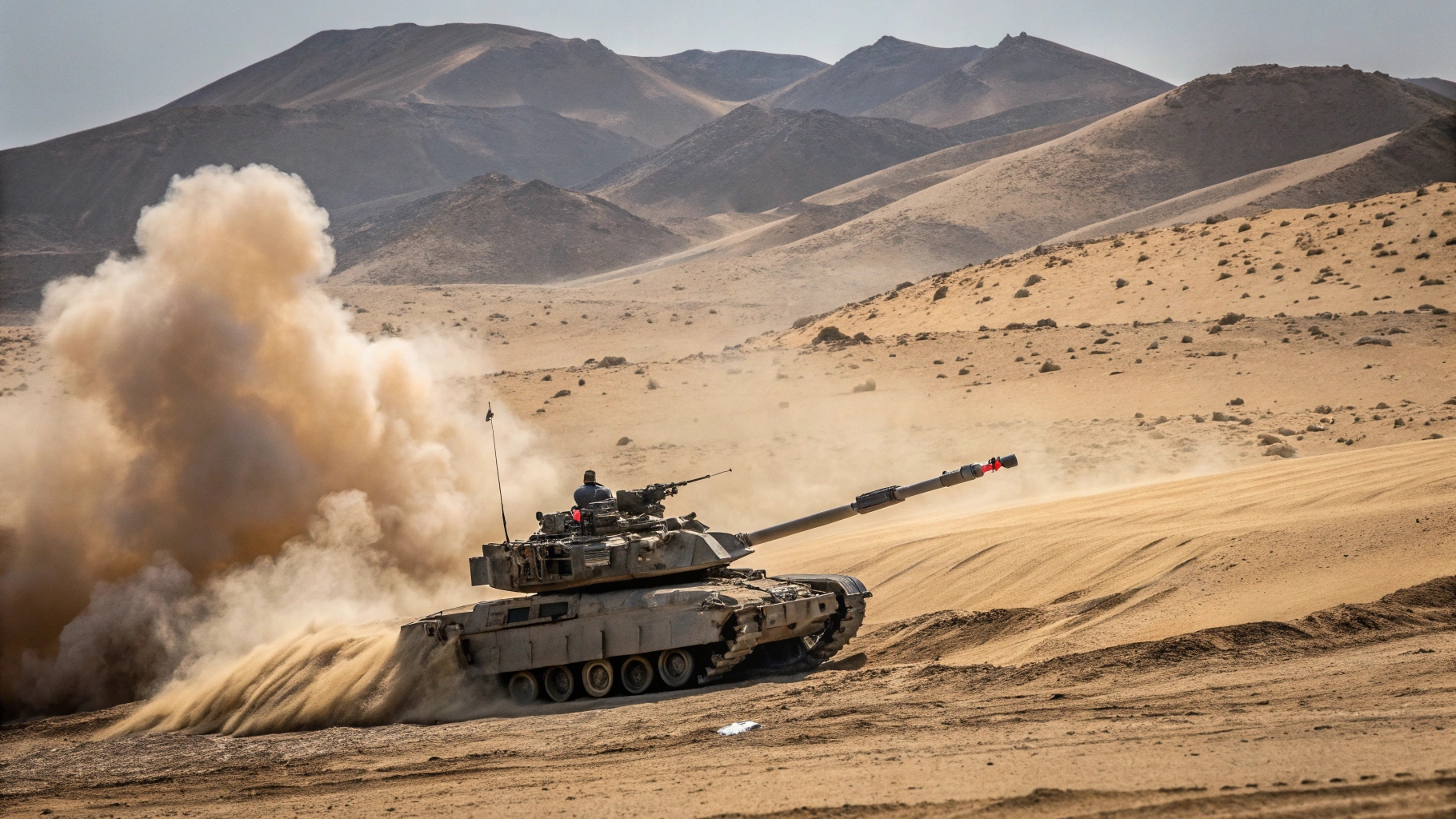
The Leopard tank is widely regarded as one of the most successful main battle tanks ever developed. Created by Germany during the Cold War era, the tank was designed to provide a powerful yet flexible solution for armored warfare. The development philosophy focused on achieving a balance between mobility, protection, and firepower rather than emphasizing only one aspect. The original Leopard 1 entered service in 1965 and quickly gained a reputation for its excellent mobility and dependable performance. Equipped with the widely respected 105-mm L7 gun, the tank offered strong long-range engagement capability while maintaining a lightweight and agile design. This approach allowed the Leopard 1 to maneuver effectively across European terrain and made it highly attractive to international buyers. The Leopard 2 represented a major technological advancement when it was introduced in 1979. Featuring composite armor and a powerful 120-mm smoothbore cannon, it significantly improved both protection and firepower. Modern fire-control systems and thermal imaging technology further enhanced its combat effectiveness. Over the years, continuous upgrades produced modern variants such as the Leopard 2A6 and 2A7, which include improved armor modules, advanced sensors, and digital networking capabilities. Today, the Leopard series remains in service with numerous armed forces across Europe and beyond. Its long record of upgrades and operational reliability ensures that it continues to be a key platform in modern armored forces.