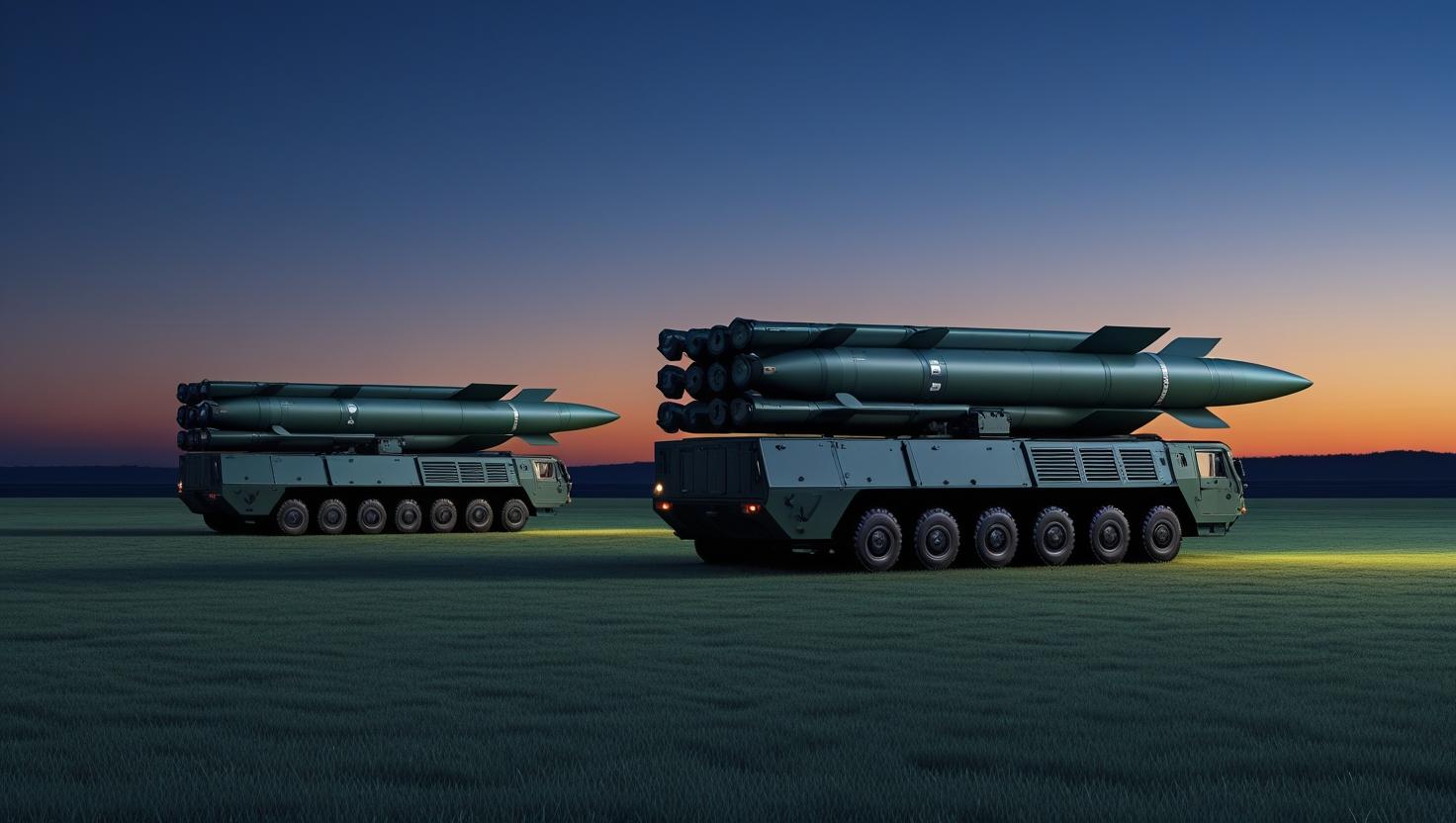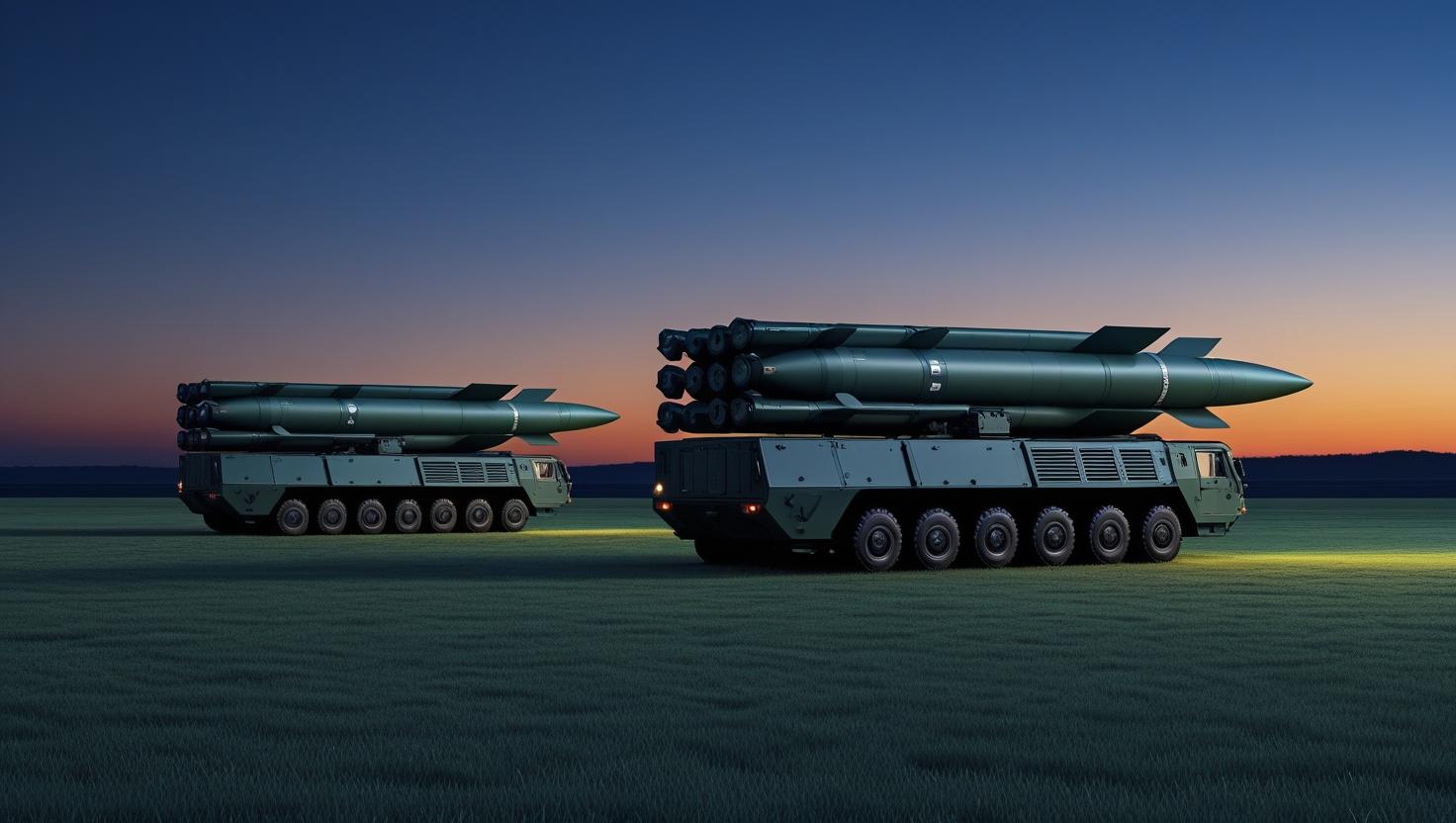

In a historic first, the PLAN (People’s Liberation Army Navy) publicly presented its JL-3 submarine-launched ballistic missile during the Victory Day parade in Beijing, underscoring China’s leap forward in nuclear weapons technology. This debut reflects Beijing’s intent to demonstrate a more mature and globally capable sea-based deterrent within its nuclear arsenal.
Developed over two decades, the JL-3 offers far greater capabilities than its predecessor, the JL-2. It is believed to have a range of 9,000–12,000 km, allowing Chinese SSBNs to hold U.S. cities at risk from protected patrol areas in the South China Sea. Its design ensures greater stealth, endurance, and strike flexibility, marking a decisive step toward a credible second-strike capability.
The missile is optimized for Type 094A and next-generation Type 096 submarines, which will extend China’s ability to operate quietly in contested waters. Technical upgrades include solid-fuel engines, precision guidance, and MIRV technology, enabling the missile to release several independent warheads against different targets or deploy countermeasures to overwhelm U.S. missile defenses. Each JL-3 is thought to carry three to five nuclear warheads.
This first public reveal signals China’s readiness to field a fully operational SLBM force, ending decades of deliberate secrecy. By fielding the JL-3, Beijing has positioned itself among the few nations with global SLBM reach, placing its deterrent on par with America’s Trident II D5 and Russia’s Bulava, thereby reshaping the nuclear balance in the Pacific and beyond.