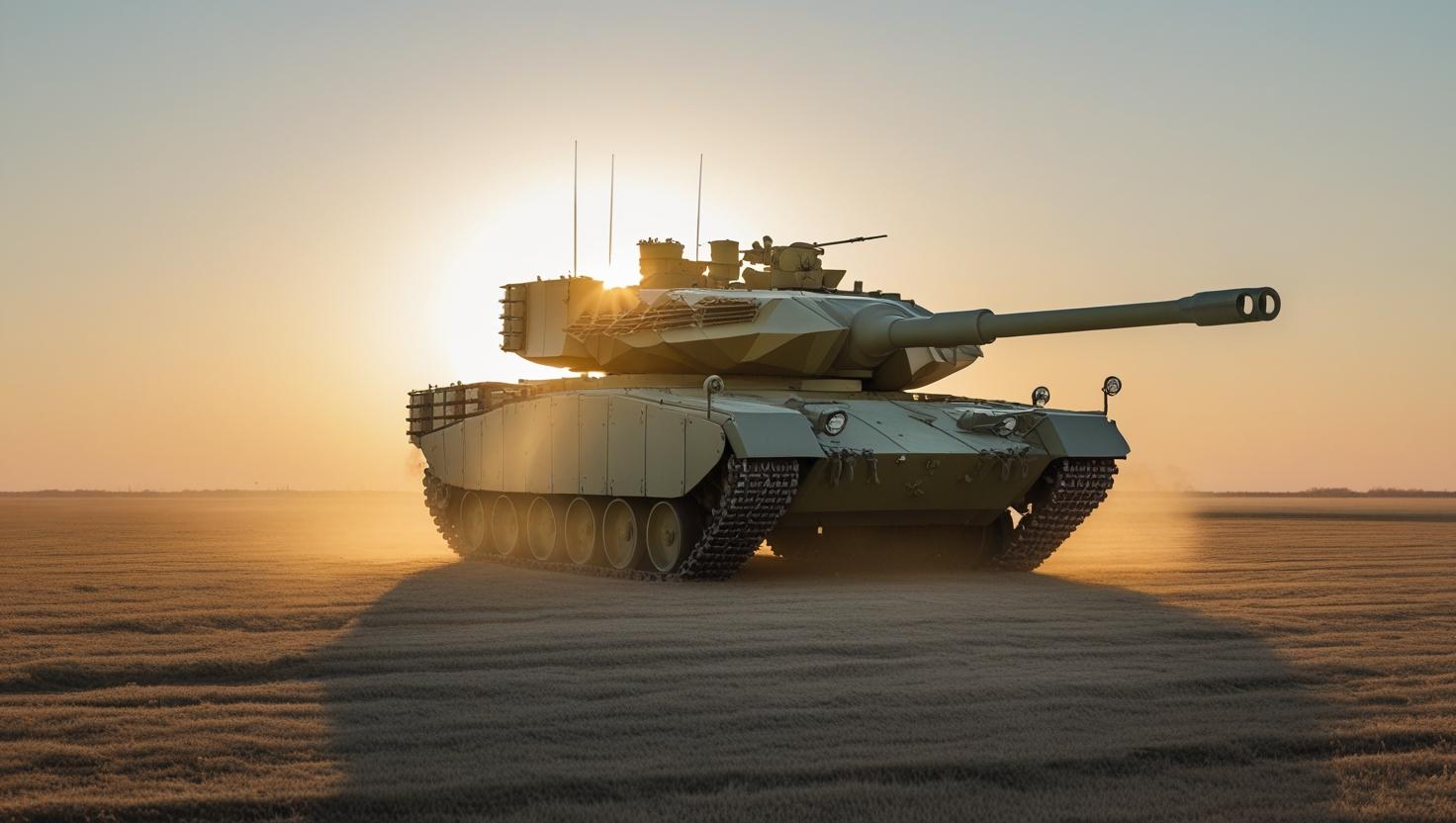
India’s armed forces are implementing a comprehensive upgrade program for their long-serving T-72 “Ajeya” tanks in order to extend their operational life and maintain a strong armored capability. The T-72 has been a key component of India’s armored units for over four decades and continues to play a vital role in the country’s defense structure. Even as modern tanks such as the T-90 Bhishma join the fleet, the Army still relies heavily on the large number of T-72 tanks currently in service. Defence planners have indicated that approximately half of the existing fleet will remain operational while the Future Ready Combat Vehicle program continues its development phase. Since the FRCV project is expected to require several years before full-scale production and induction, upgrading the existing tanks is considered an efficient and cost-effective solution. The modernization plan focuses on improving mobility, targeting capability, and overall reliability. One of the most important upgrades involves installing new high-power engines supplied through an agreement with Russia’s Rosoboronexport. These engines are expected to significantly enhance the tanks’ performance in the field. In addition, advanced thermal imaging systems are being integrated into the tanks’ fire control systems, enabling crews to identify and engage targets in darkness or poor weather conditions. Such capabilities are crucial in modern warfare where operations frequently occur at night. India has also strengthened its maintenance ecosystem by expanding refurbishment facilities. Factories responsible for tank overhaul are now capable of restoring aging vehicles to a “zero-hour” condition, effectively resetting their service life. Through these combined efforts, the Indian Army intends to keep a significant portion of its T-72 fleet active until around 2040, ensuring continuity in armored capability while next-generation platforms are gradually introduced.