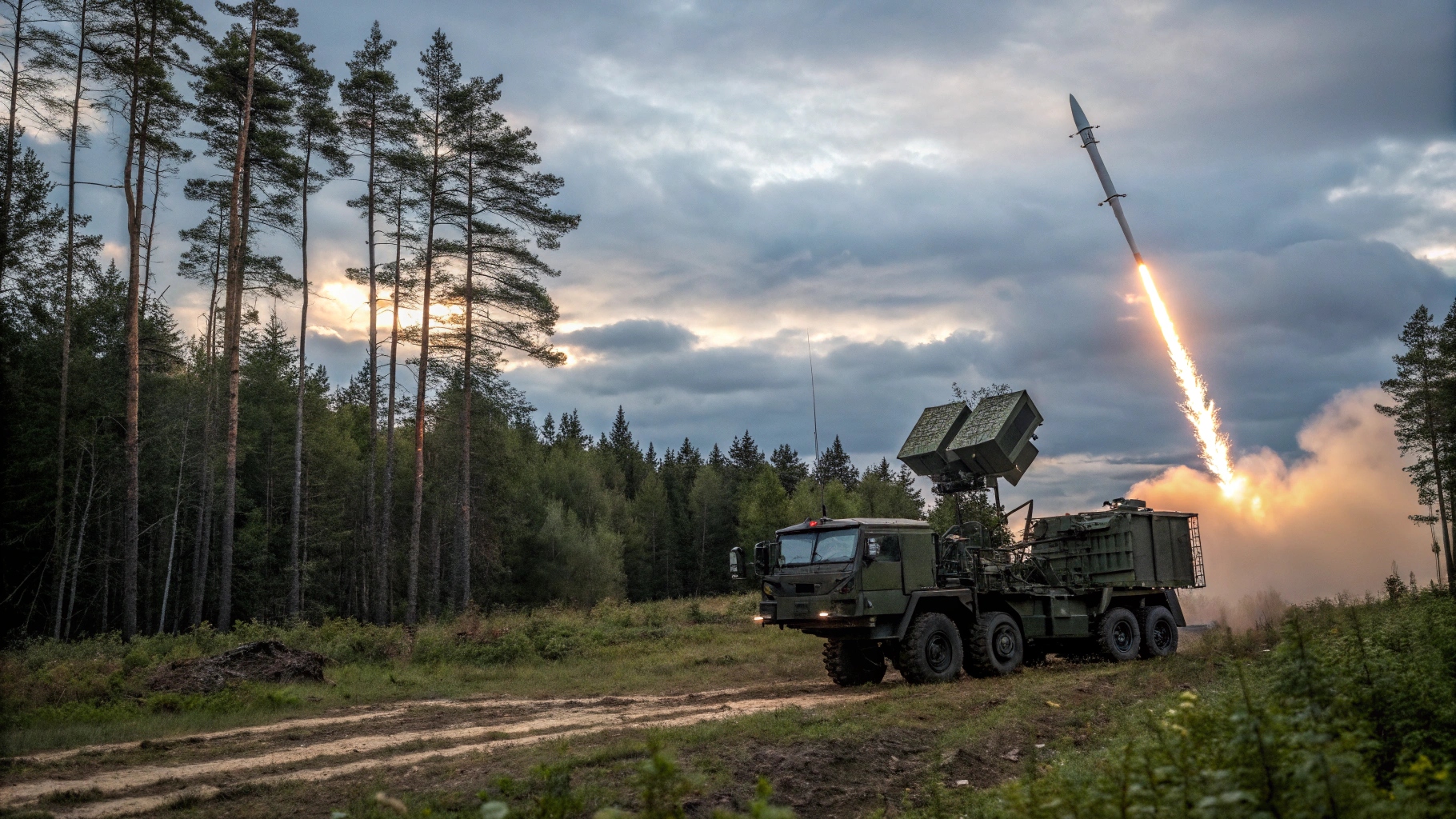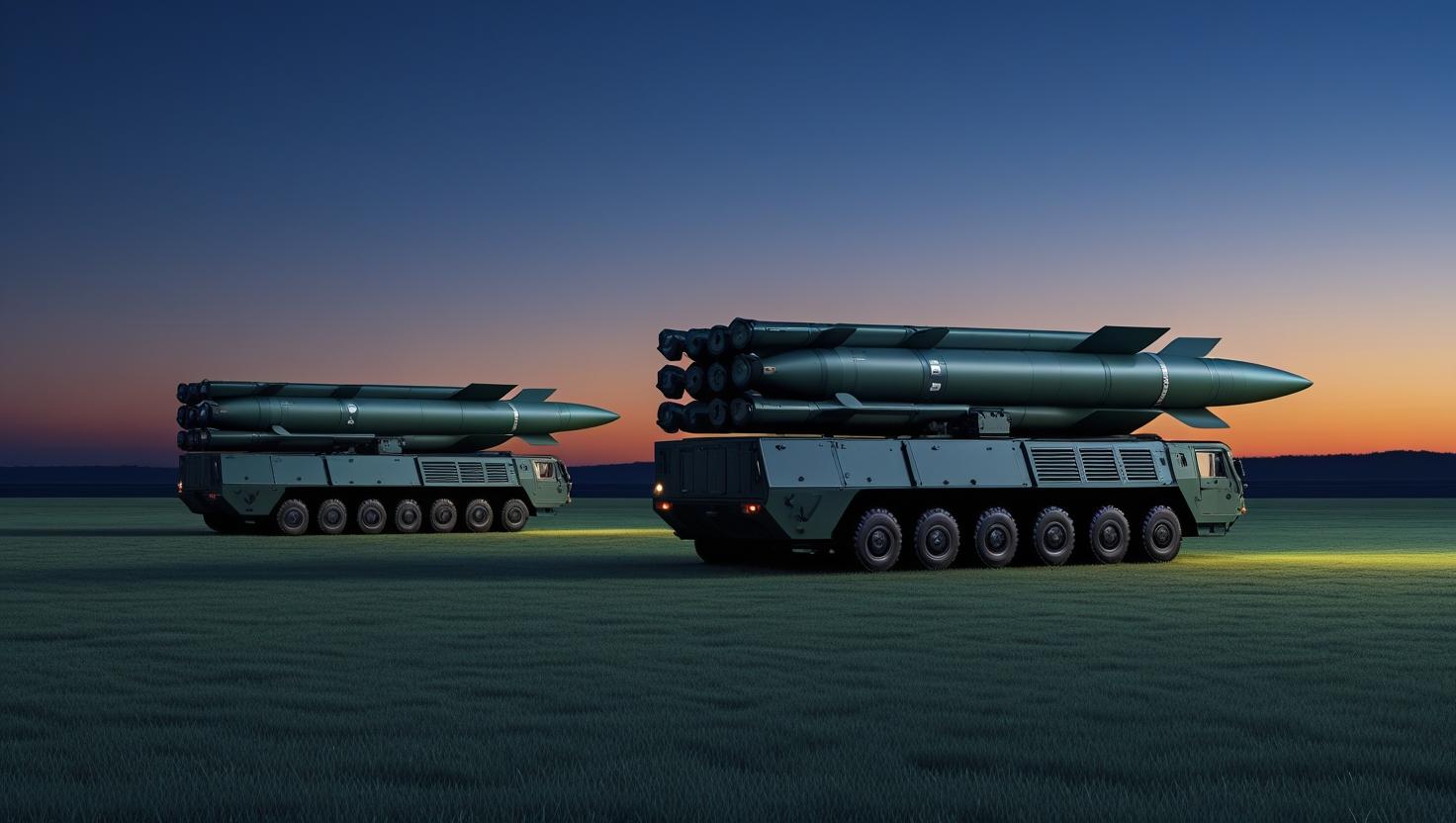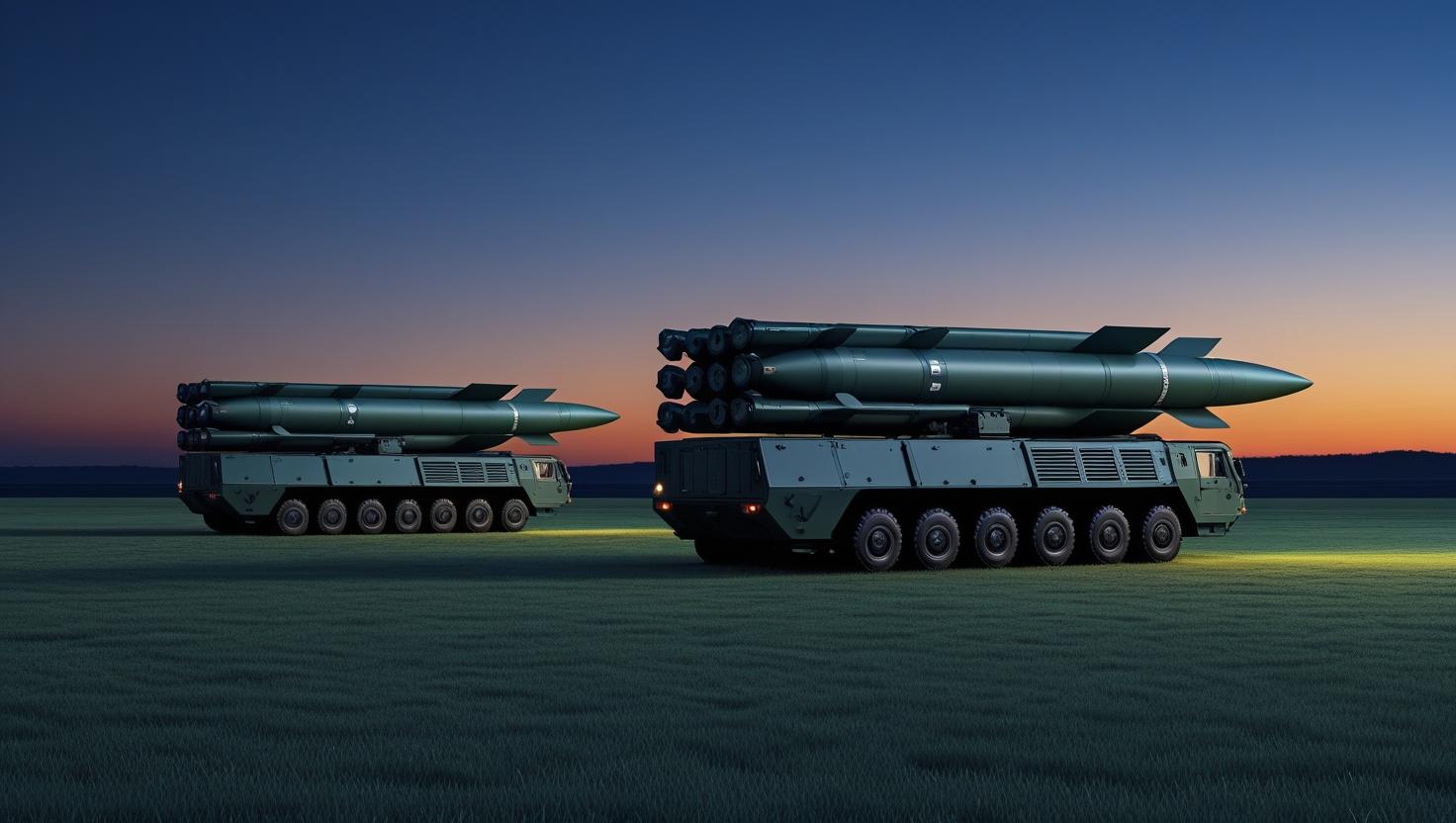

The US Army’s push to modernize its air defense capabilities has gained momentum as Boeing and Anduril announced a joint effort to develop a next-generation mid-range interceptor. The weapon is being designed to support the Army’s Integrated Fires Protection Capability (IFPC) Increment 2 Second Interceptor requirement, which seeks improved protection against complex aerial threats.
Under the partnership, Anduril Industries will deliver the interceptor’s solid rocket motor, providing the propulsion needed to rapidly engage low-flying cruise missiles and loitering munitions. Boeing will serve as the prime contractor, overseeing system engineering, missile integration, and testing under an OTA-based agreement signed in early December.
The interceptor is intended to form a critical layer within the Army’s multi-tiered air defense network, bridging the gap between short-range systems and long-range missile defenses. Boeing and Anduril have emphasized that the solution will prioritize cost efficiency, modularity, and compatibility with existing command-and-control and sensor networks already in service.
Previously, the Army adapted the AIM-9X Sidewinder air-to-air missile for ground-based defense to address immediate threats from drones and cruise missiles. Although effective as a stopgap measure, the missile was not designed for long-term mid-range air defense roles. The new Boeing–Anduril interceptor is expected to provide a dedicated, high-performance alternative, enhancing coverage and resilience against a growing range of airborne threats.