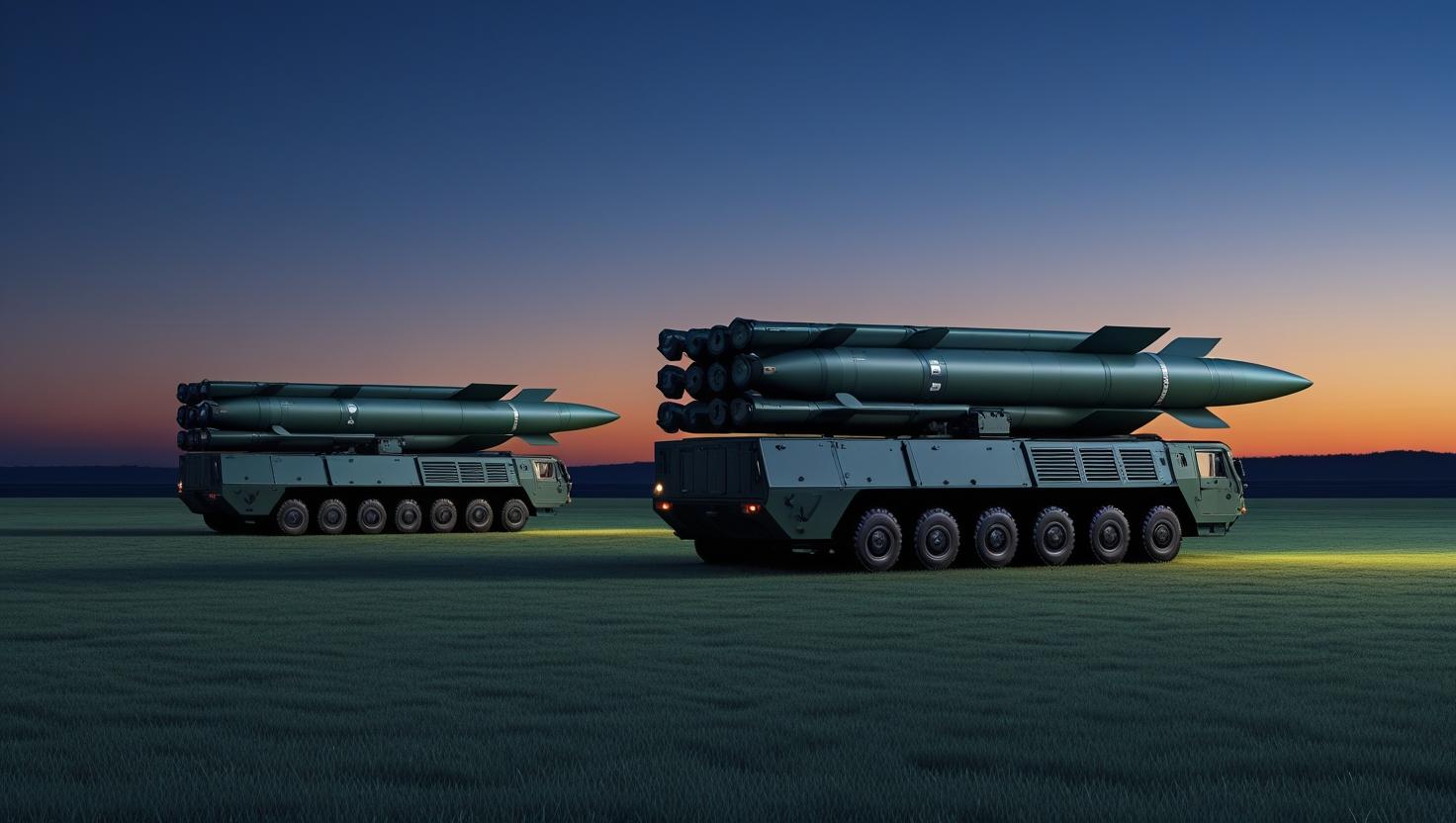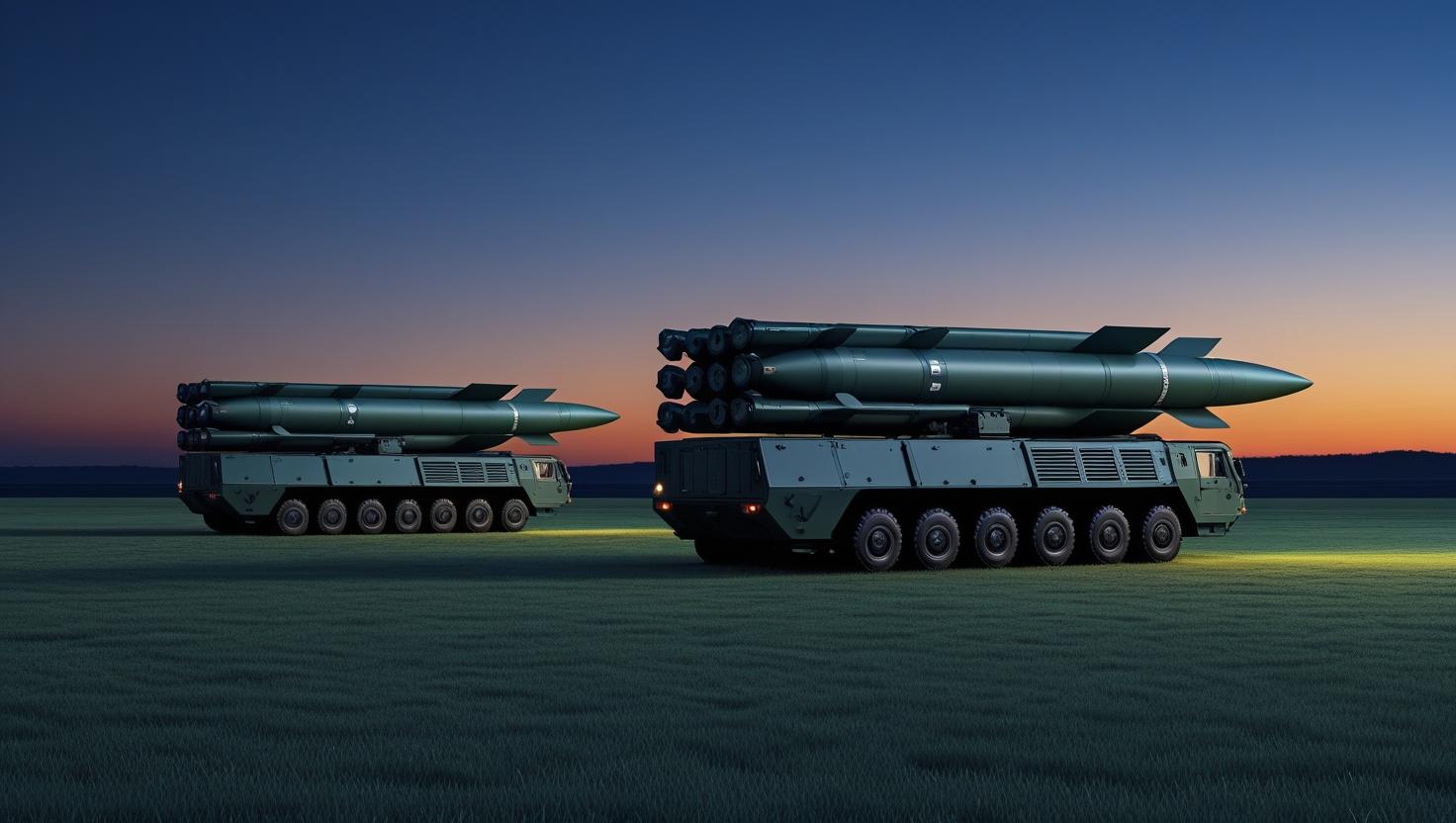

Lockheed Martin has secured a $2 billion contract from the US Missile Defense Agency to manufacture THAAD interceptors at various sites across the country, including Texas, California, Alabama, and Arkansas. The contract is set for completion by the end of 2029.
The decision comes in the wake of recent tensions in the Middle East, where the US reportedly used a quarter of its THAAD interceptor reserves during a short conflict between Israel and Iran. Defense analysts and former officials have raised alarms over the shrinking missile stockpile, urging faster production to maintain combat readiness.
THAAD, short for Terminal High Altitude Area Defense, is a mobile system that employs hit-to-kill missiles capable of intercepting short- and intermediate-range threats both inside and outside Earth’s atmosphere. Each system requires close to 100 soldiers to operate, with each interceptor costing approximately $12 million.
As a cornerstone of the US missile defense architecture, THAAD operates in tandem with systems like the Patriot. It has been strategically deployed in locations such as South Korea, Guam, and several Middle Eastern nations to deter regional missile threats.