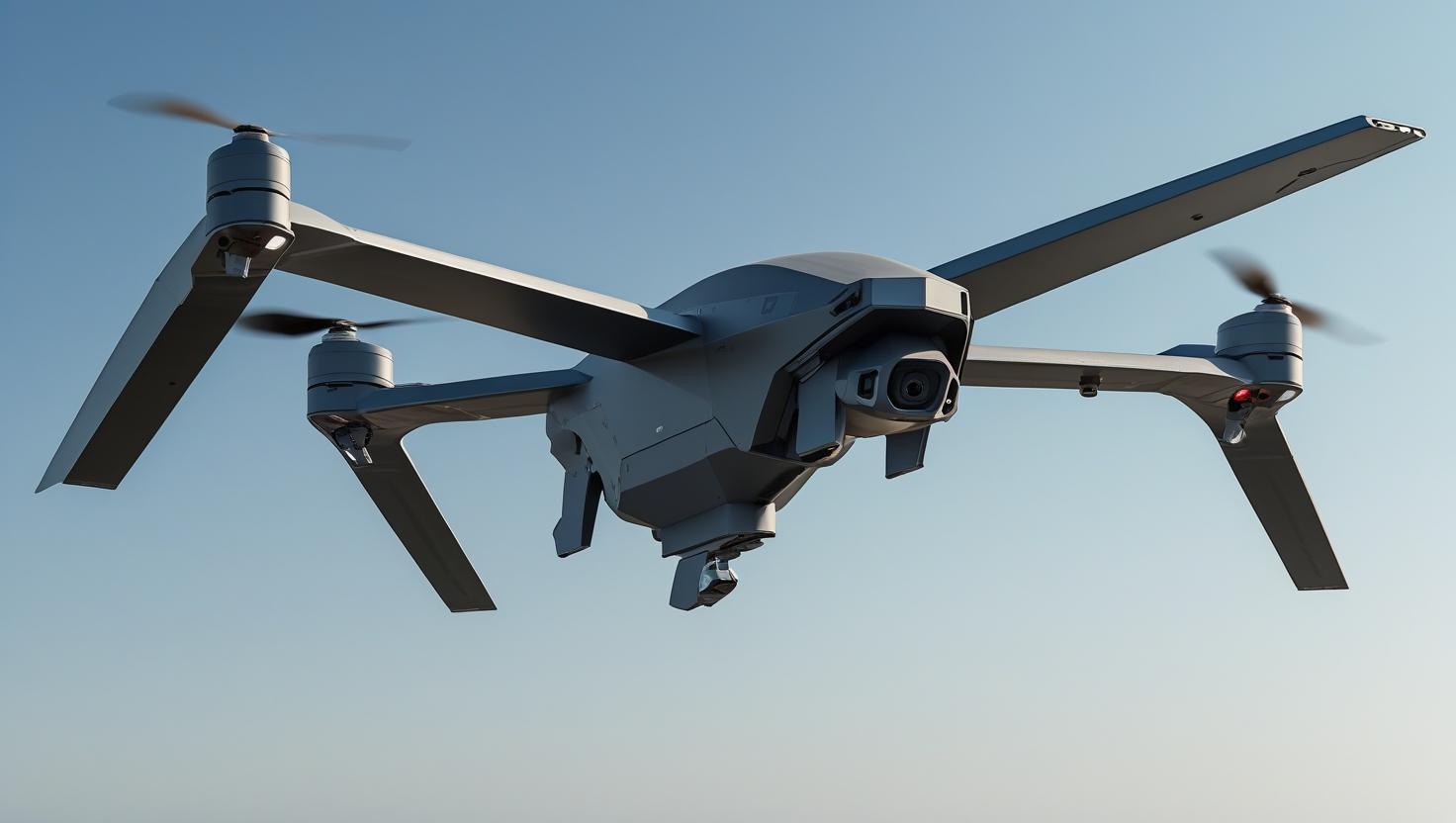
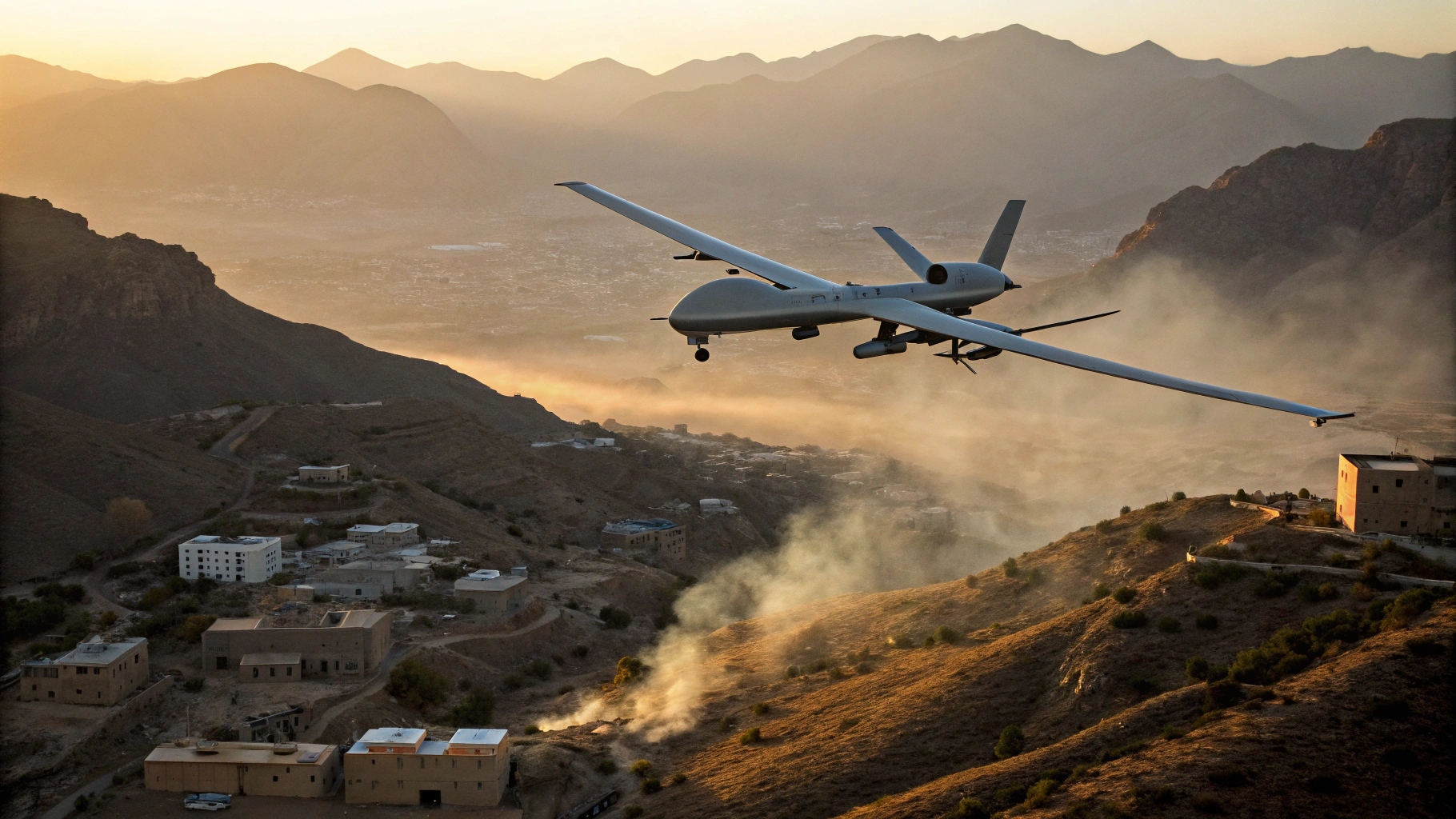
Speed-driven interception is taking center stage in the UK’s evolving air defense strategy, with London Defence R&D revealing two next-generation interceptors designed to counter modern aerial threats. The systems, known as Baby Raptor and Raptor XL, are optimized for high-speed operations, targeting engagements where legacy interceptors may lack the responsiveness required to defeat fast-emerging threats.
The two platforms are designed for fully autonomous operation, using AI-enabled target tracking to engage threats within narrow timeframes. By reducing reliance on human input, the interceptors aim to shorten decision cycles and improve effectiveness against agile and time-sensitive aerial targets.
Powering this autonomy is Raptor Pilot AI Pro, an onboard guidance and flight control system that functions as a dedicated autopilot. The technology integrates visual sensors and navigational data to stabilize the interceptor during high-speed flight and execute accurate engagements, even under challenging environmental conditions.
According to the developer, the emphasis is on delivering rapid, intelligent response capabilities rather than detection alone. Although manufacturing and fielding plans have not yet been announced, the introduction of Baby Raptor and Raptor XL underscores the UK’s push toward AI-enabled, high-speed air defense solutions to address evolving threat landscapes.