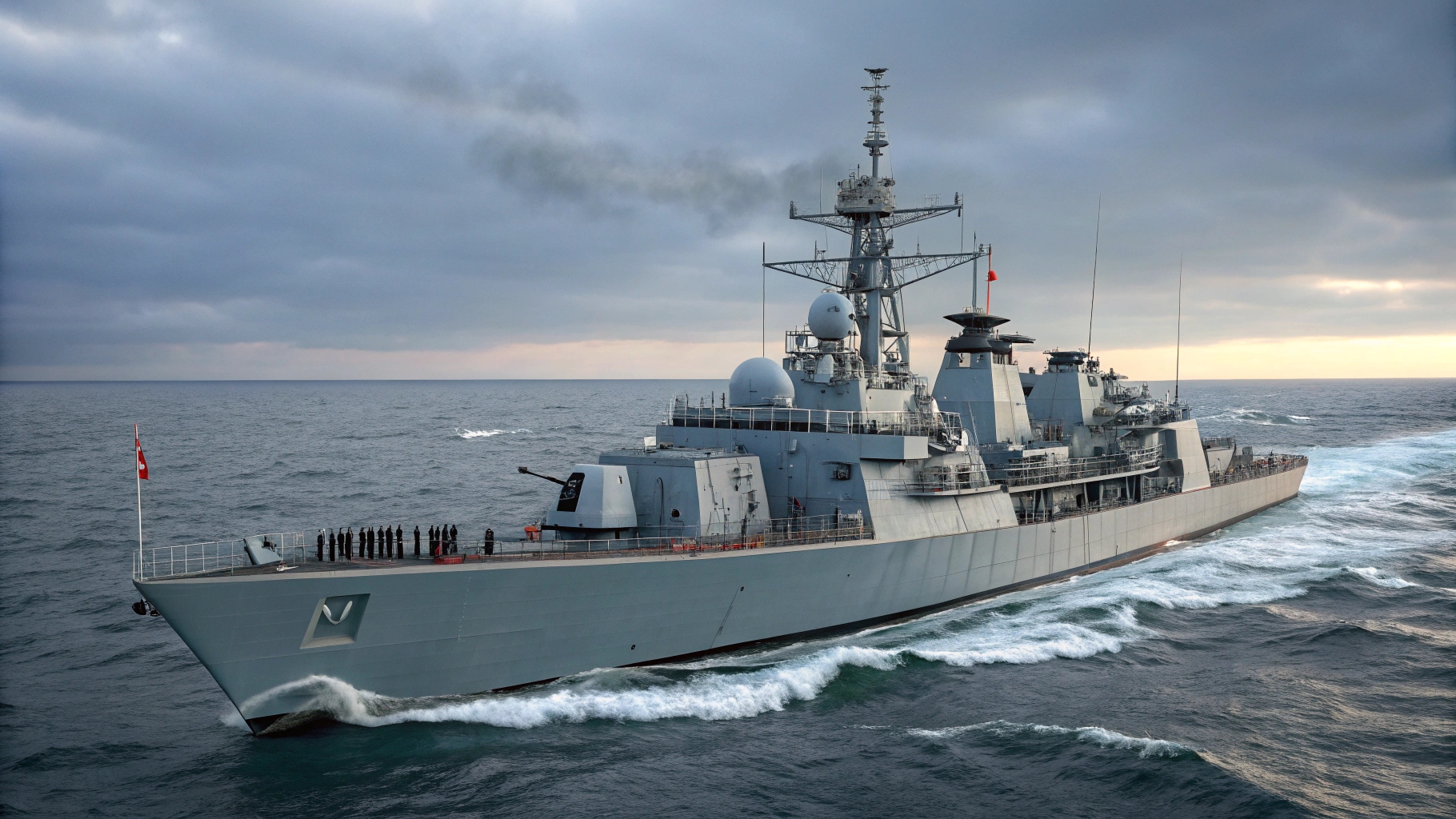

A landmark £10 billion naval contract has been signed between the United Kingdom and Norway, marking a turning point in Europe’s defense cooperation. The deal will see Norway acquire at least five Type 26 frigates, a move that strengthens NATO’s northern maritime defenses while maintaining the UK’s leadership in naval shipbuilding and technology exports. For Britain, the agreement ensures continuous production at its Glasgow shipyards while securing interoperability with a key Arctic ally.
The contract directly supports Norway’s need to replace its Fridtjof Nansen-class ships, which are reaching obsolescence in the face of rising undersea threats in the Arctic region. By selecting the Type 26, Norway gains access to one of the most advanced anti-submarine warfare frigates available, while also embedding its navy into a shared allied operational framework. For the UK, this represents both an industrial and strategic success, positioning the Royal Navy as a central force in European maritime security.
The Type 26 Global Combat Ship, developed by BAE Systems, is a highly adaptable surface warship optimized for long-range submarine hunting. Displacing around 6,900 tons, the ship incorporates advanced acoustic stealth technology, state-of-the-art sonar systems, and flexible mission bays that allow operators to tailor deployments for various combat roles.
Its armament includes the Sea Ceptor missile defense system, a 127mm BAE gun, and the Mk 41 Vertical Launch System, which can host Tomahawk or next-generation strike weapons. With aviation facilities capable of operating Merlin or NH90 helicopters, the frigate can extend its ASW and strike reach well beyond its own sensor range. This combination of endurance, adaptability, and firepower ensures the Type 26 will serve as a cornerstone of UK and Norwegian naval power for decades.