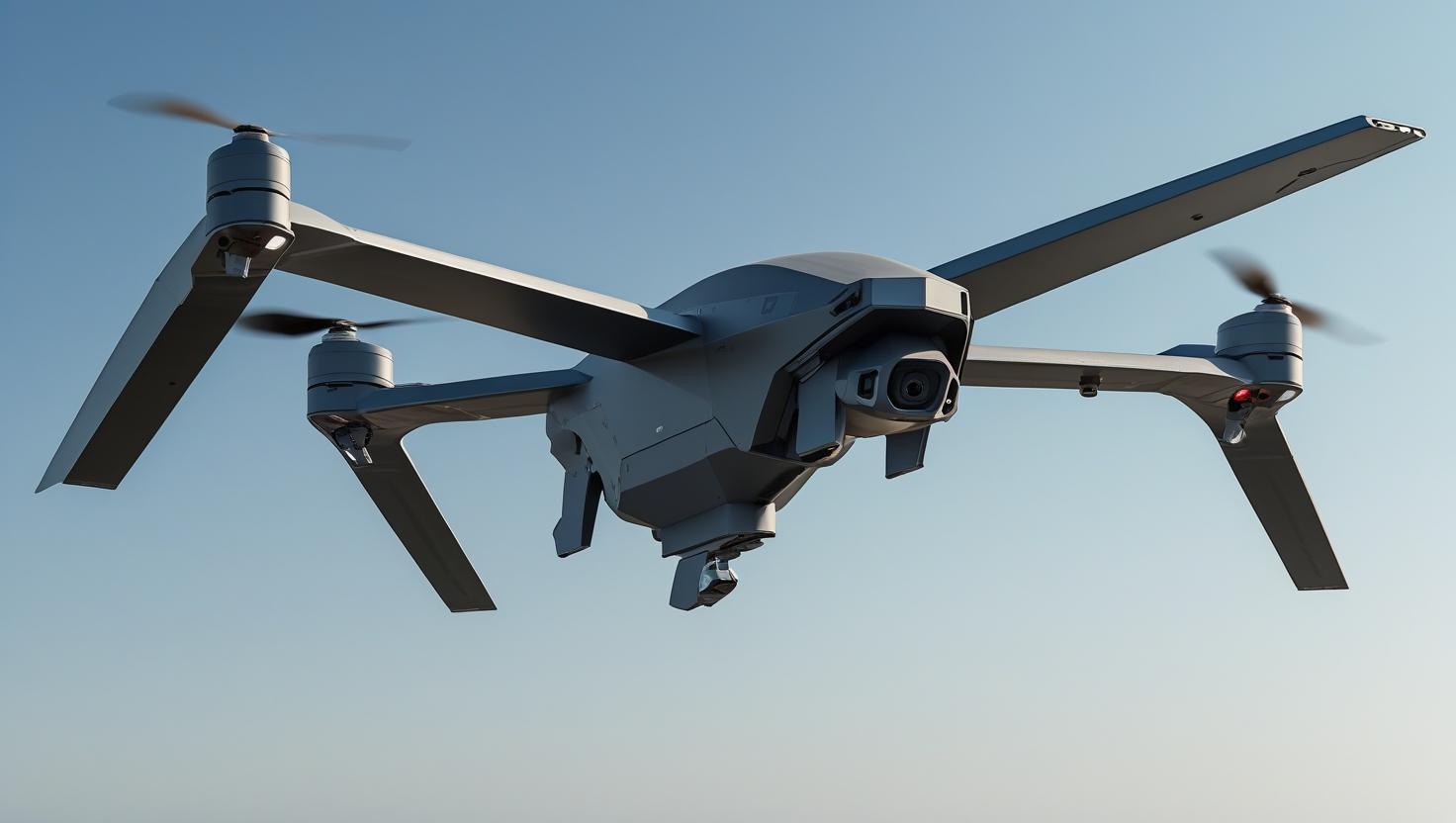
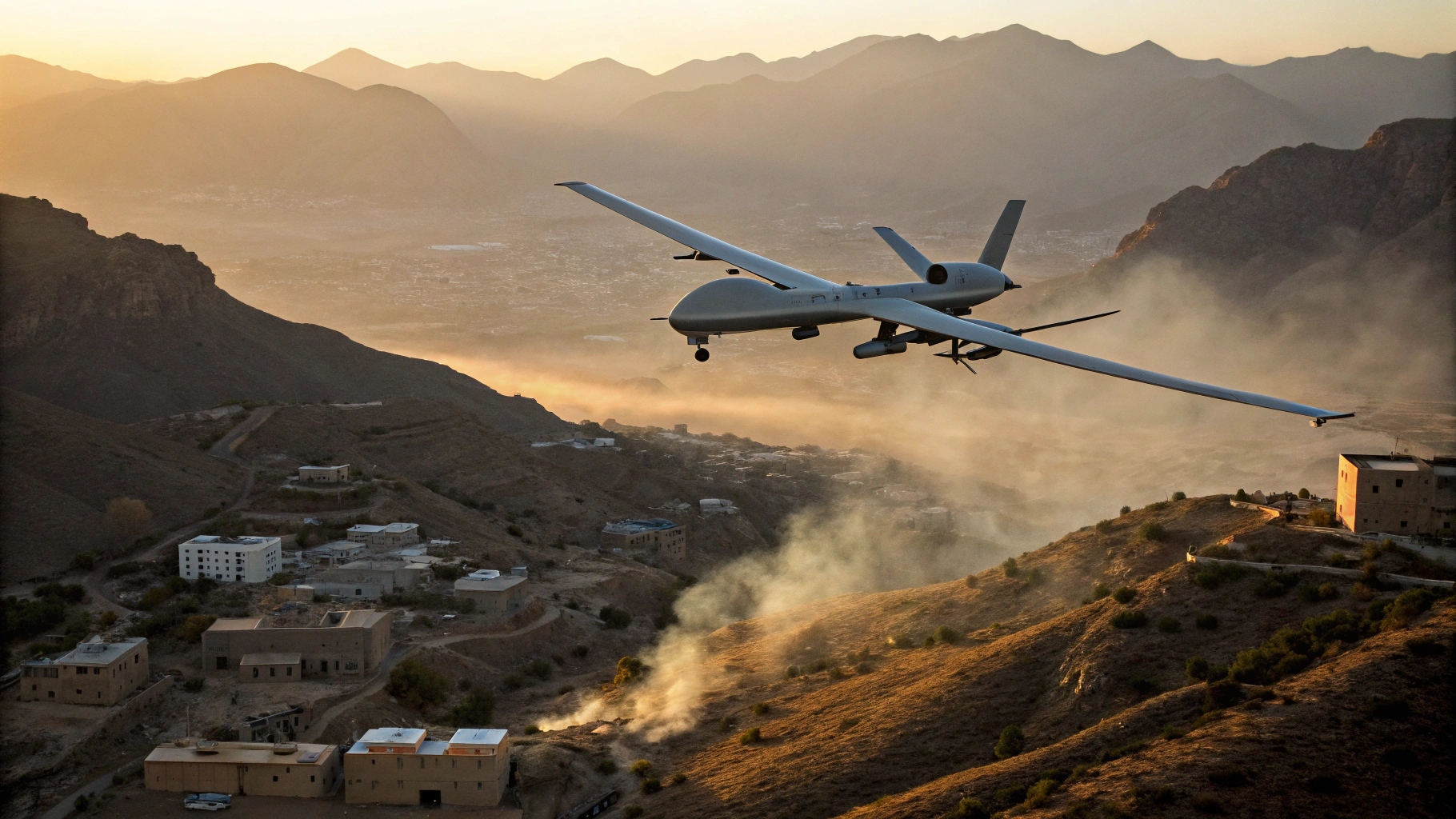
Germany is set to significantly expand its naval unmanned aviation capabilities following an order for eight MQ-9B SeaGuardian drones from General Atomics, intended for service with the German Navy. The long-endurance remotely piloted aircraft will enhance maritime surveillance, reconnaissance, and future anti-submarine warfare missions, with operational introduction planned from 2028.
The program carries an estimated cost of €1.52 billion, according to local defense reporting, and is financed through a mix of special modernization funds and the Bundeswehr’s defense budget. The contract covers aircraft procurement, logistics support, spare parts, and initial crew training, while future upgrades will transition the MQ-9B fleet to a fully equipped ASW configuration in the early 2030s.
Based at Nordholz with Naval Air Wing 3, the MQ-9B SeaGuardian will operate alongside Germany’s P-8A Poseidon maritime patrol aircraft, eight of which were ordered in 2021. While the P-8A offers greater speed and onboard weapons, the MQ-9B provides unmatched persistent surveillance, capable of remaining airborne for up to 30 hours with a wingspan of 20 meters and a relatively compact airframe.
The SeaGuardian can carry up to 2,000 kilograms of mission payloads, including maritime radars, high-resolution cameras, and sonobuoy dispensers for detecting underwater threats. All collected data is transmitted to ground control stations and networked with naval platforms and allied forces. German military officials emphasized that experience gained by existing MQ-9B operators, including the UK and Belgium, will help streamline preparations ahead of Germany’s first unmanned maritime patrol flights.