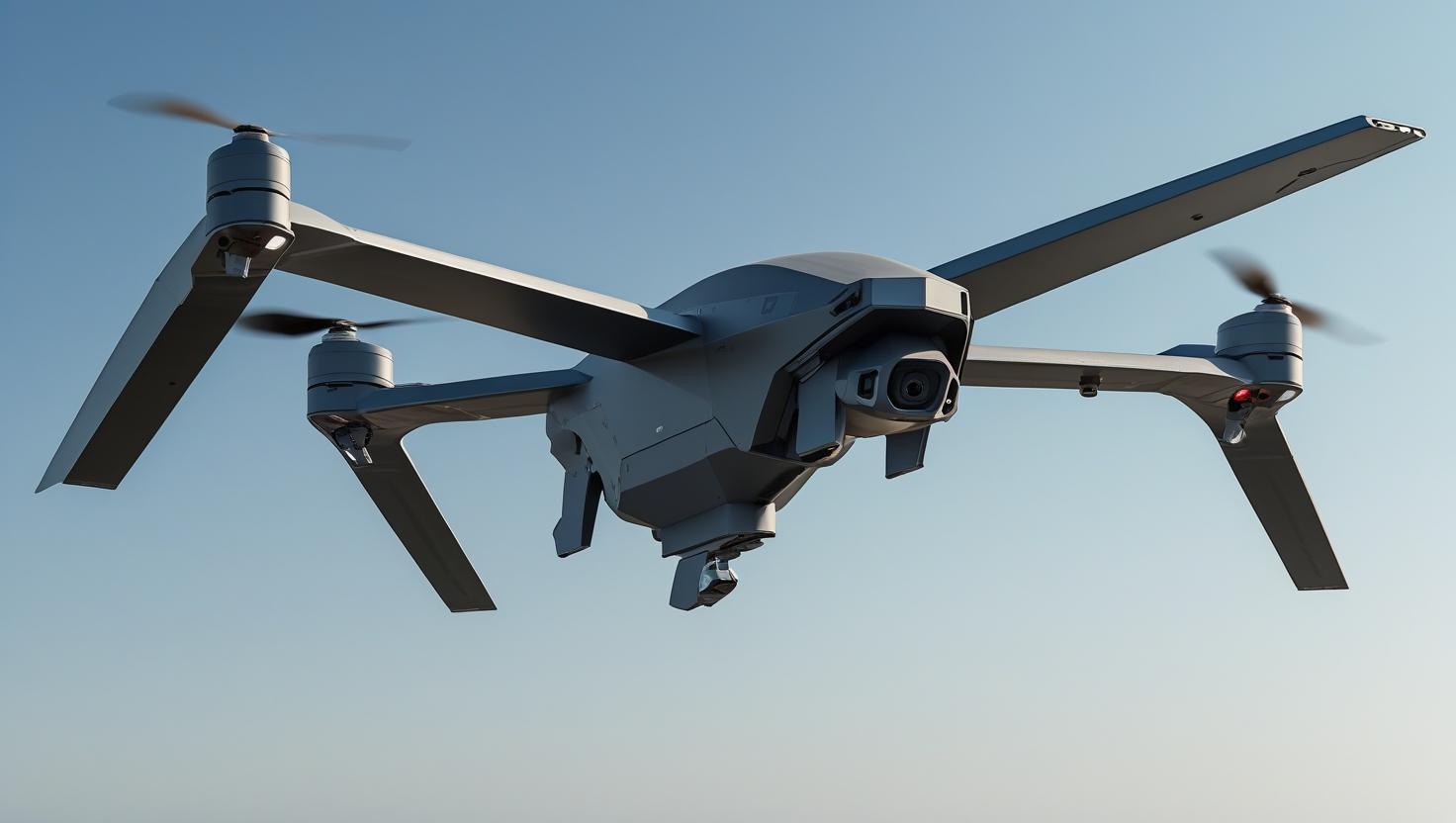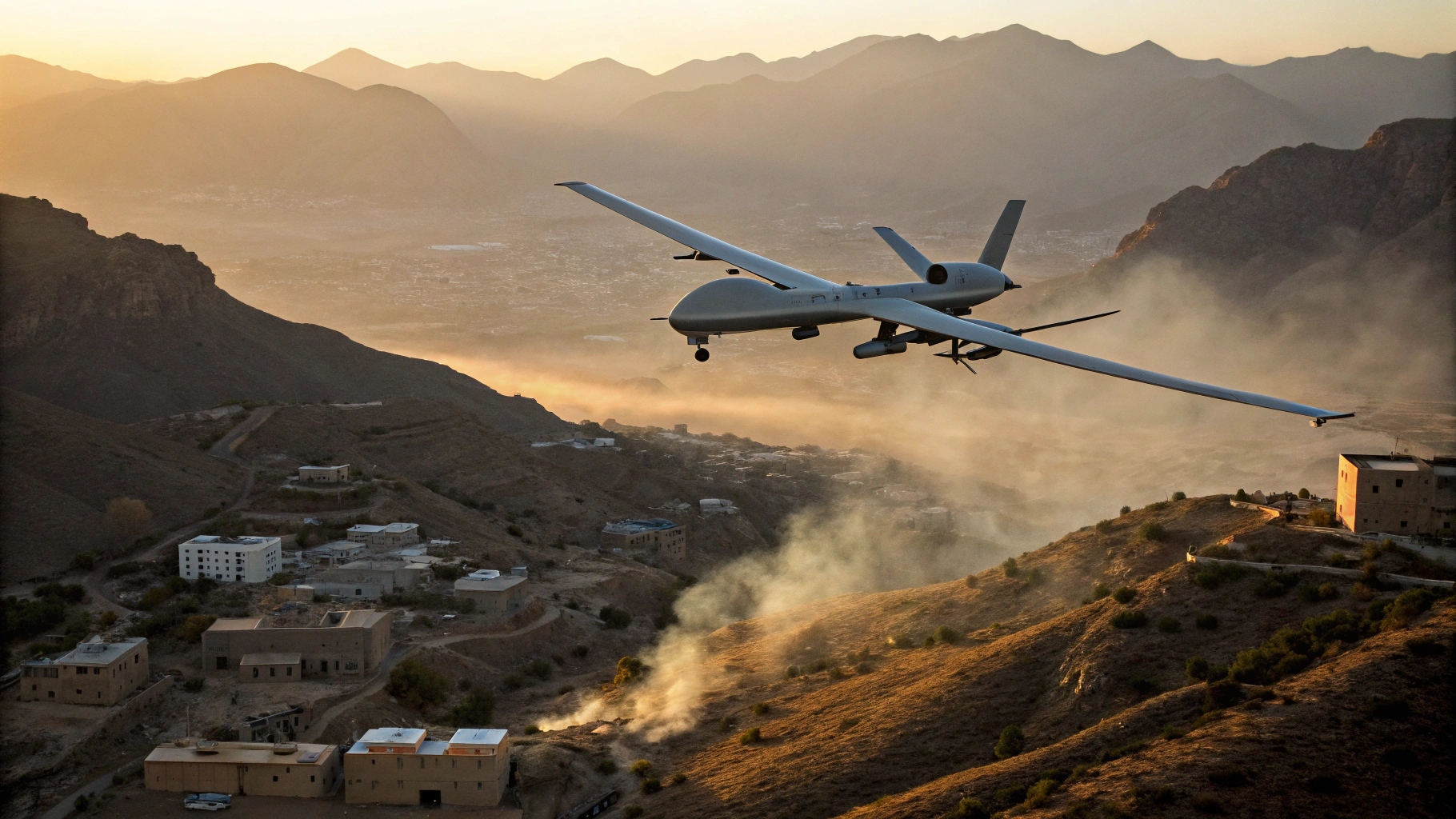

France’s counter-drone ecosystem is seeing a notable shift as ALM Meca, a precision engineering SME, introduces Fury 120, a high-speed interceptor designed to defeat one-way attack drones such as Iran’s Shahed and Russia’s Geran systems. The project underscores how the operational lessons of the Ukraine war are driving air defense innovation beyond conventional, government-led development frameworks.
Since the start of the conflict, low-cost attack drones have proven effective at saturating defenses, depleting surface-to-air missile inventories, and forcing defenders into unfavorable cost exchanges. Although Shahed-type drones are not highly advanced, their combination of range, low-altitude flight, and mass employment complicates interception efforts. This has shifted the focus from individual intercept success to the ability to counter large volumes of incoming threats at sustainable cost.
Within this context, Fury 120 is positioned as a fast-reaction interceptor optimized for rapid engagement. The drone features a compact, fighter-like airframe and is powered by a microjet engine running on kerosene, setting it apart from slower, propeller-driven counter-drone platforms. With a claimed top speed of 700 km/h, the interceptor significantly reduces pursuit time and increases the probability of intercept, even when detection occurs late in the engagement cycle.
Beyond speed, Fury 120 is reported to sustain maneuvers of up to 20G, providing substantial correction capability during terminal interception. This performance margin is particularly valuable in cluttered, low-altitude airspace where sensor disruptions and command delays are common. More broadly, the project illustrates how rapid, privately funded experimentation by smaller industrial players is emerging as a key contributor to Europe’s evolving counter-UAS landscape.