
Canada has intensified defense engagement with South Korea as it moves closer to a final decision on the Canadian Patrol Submarine Project (CPSP), a roughly USD 45 billion effort to recapitalize the Royal Canadian Navy’s undersea fleet. The visit by senior Canadian officials highlights that Ottawa is approaching a critical procurement window with long-term implications for national security and defense industrial policy.
Canadian defense procurement leadership is expected to review South Korea’s submarine construction infrastructure and assess potential technology transfer and local industrial participation. Analysts interpret the visit as a strong indicator that the CPSP competition has entered its final stages, with Canada evaluating not only platform performance but also production timelines, cost control, and domestic industrial benefits.
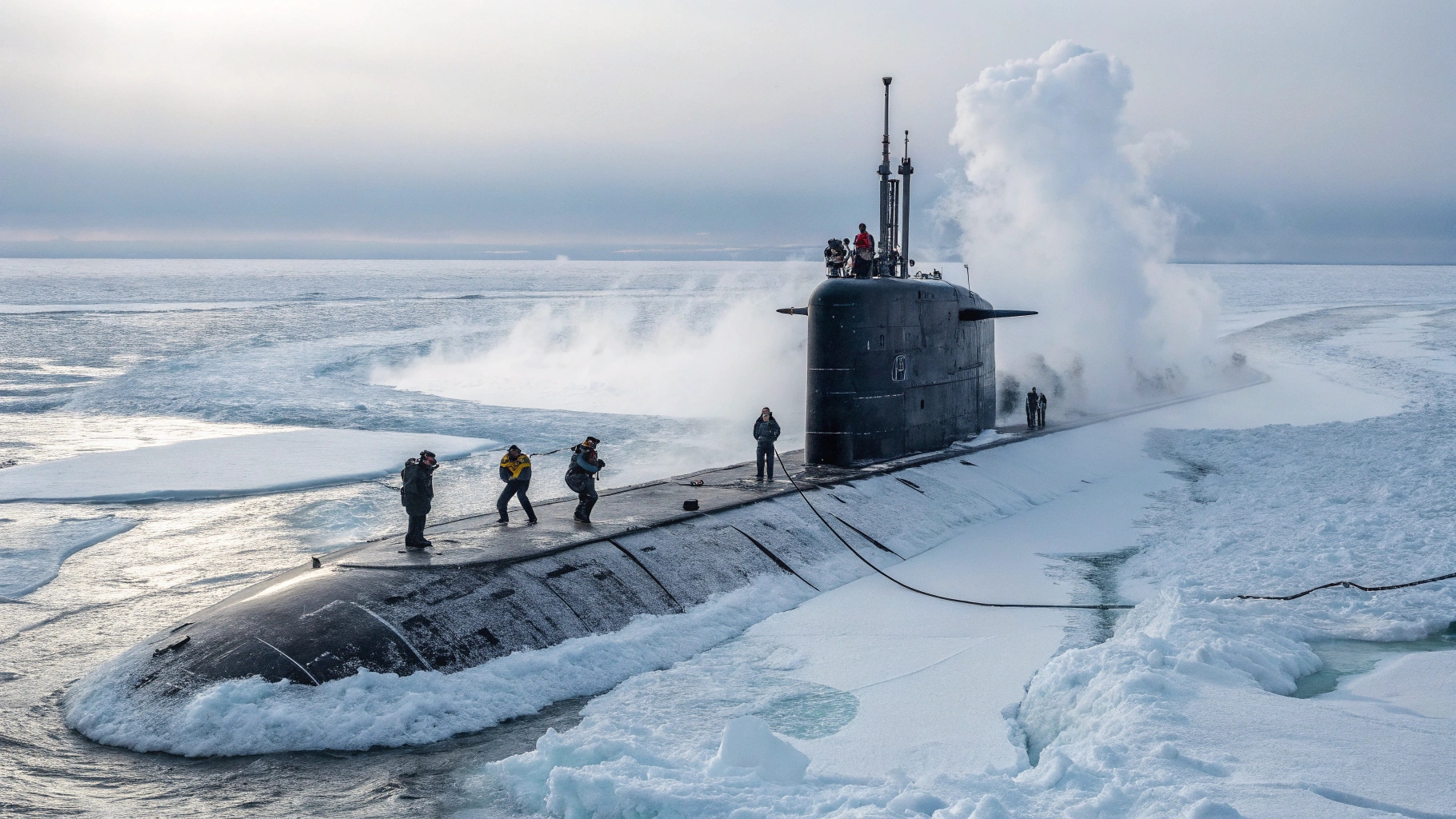
Operational urgency underpins the program. Canada’s four Victoria-class submarines—originally built during the Cold War—have struggled with availability and sustainment challenges, limiting the Navy’s ability to maintain persistent undersea presence. These constraints are increasingly problematic as Canada seeks to expand maritime surveillance across its three-ocean area of responsibility, particularly in the Arctic, where submarine operations are viewed as a key enabler of sovereignty enforcement and intelligence collection.
The CPSP envisions a fleet of up to 12 modern diesel-electric submarines optimized for long-range patrols, low observability, and networked warfare. Within this framework, South Korea’s KSS-III Batch-II has emerged as a notable contender. With a displacement of around 3,600 tons, advanced acoustic quieting, and blue-water endurance, the design aligns closely with Canada’s requirement for sustained operations across vast maritime distances and seamless integration with NATO and U.S. naval forces.