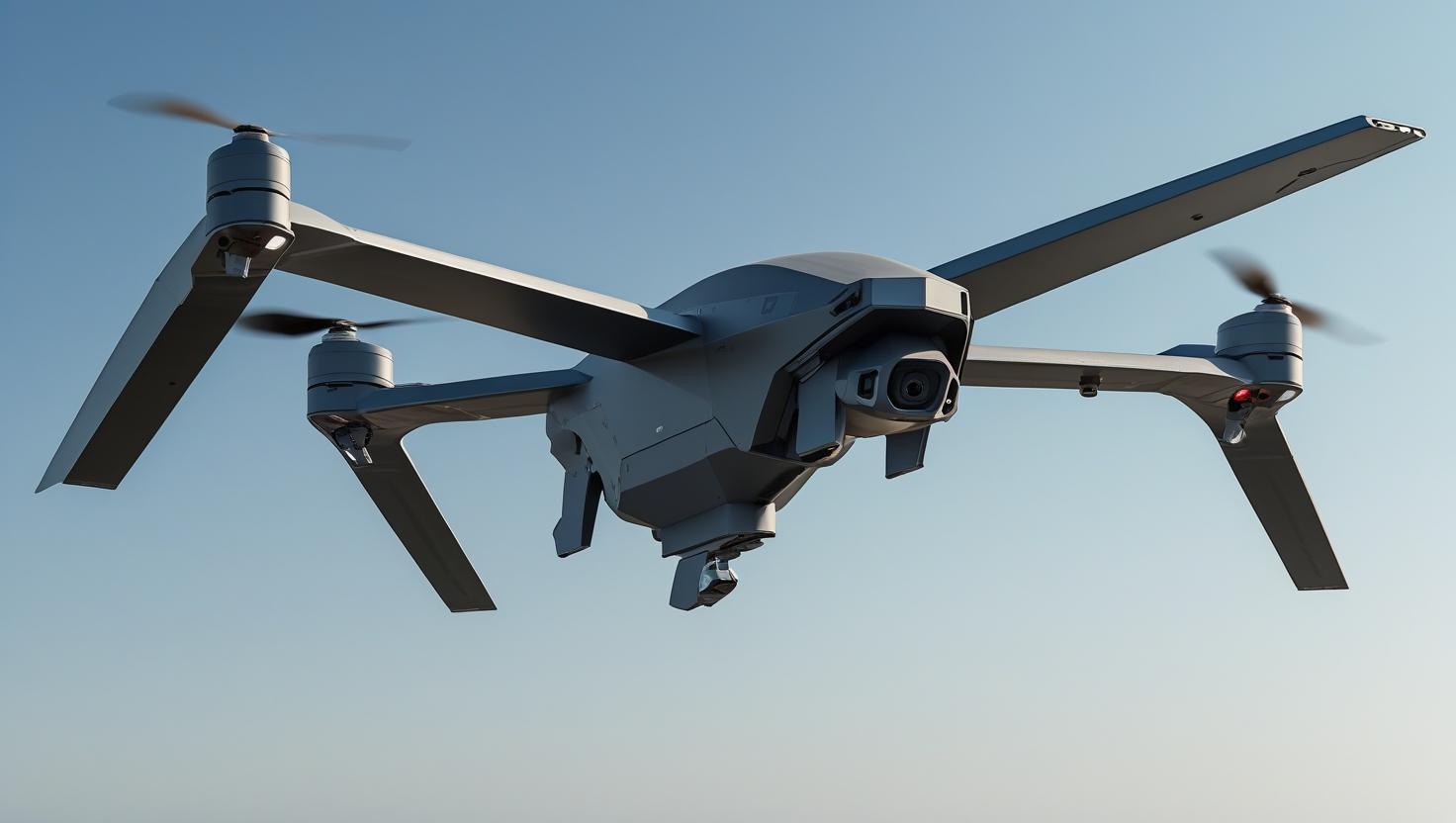

Origin Robotics has begun delivering its BLAZE autonomous interceptor drones to Estonia, Latvia, and Belgium, making the three NATO countries the first in Europe to operationalize a fully autonomous, domestically developed counter-UAS system. The deliveries started in January, only months after procurement decisions were finalized, highlighting the system’s rapid readiness compared to conventional defense programs. Headquartered in Latvia, Origin Robotics engineered BLAZE to meet NATO standards, featuring a STANAG-compliant payload module and compatibility with allied command-and-control frameworks. Latvia placed its initial order in early October 2025, Belgium followed with a €50-million counter-drone investment in November, and Estonia soon joined the program. The interceptor drones are being delivered in stages, with integration now underway across all three defense forces. Origin states that the system requires minimal additional development before operational use, allowing militaries to deploy it almost immediately. National test organizations, including Latvia’s Autonomous Systems Competence Center, will assess how BLAZE can be embedded into existing air defense layers. Autonomous interceptor drones differ from traditional counter-UAS approaches by using onboard sensors and AI to independently identify, pursue, and neutralize enemy drones during flight. Comparable technologies are already in use or development elsewhere, including AI-enabled DroneHunter systems fielded by US forces and the jointly produced UK-Ukrainian Octopus-100 interceptor. Israel has also conducted national trials of autonomous counter-drone solutions, reflecting a global move toward automated air defense against proliferating UAV threats.