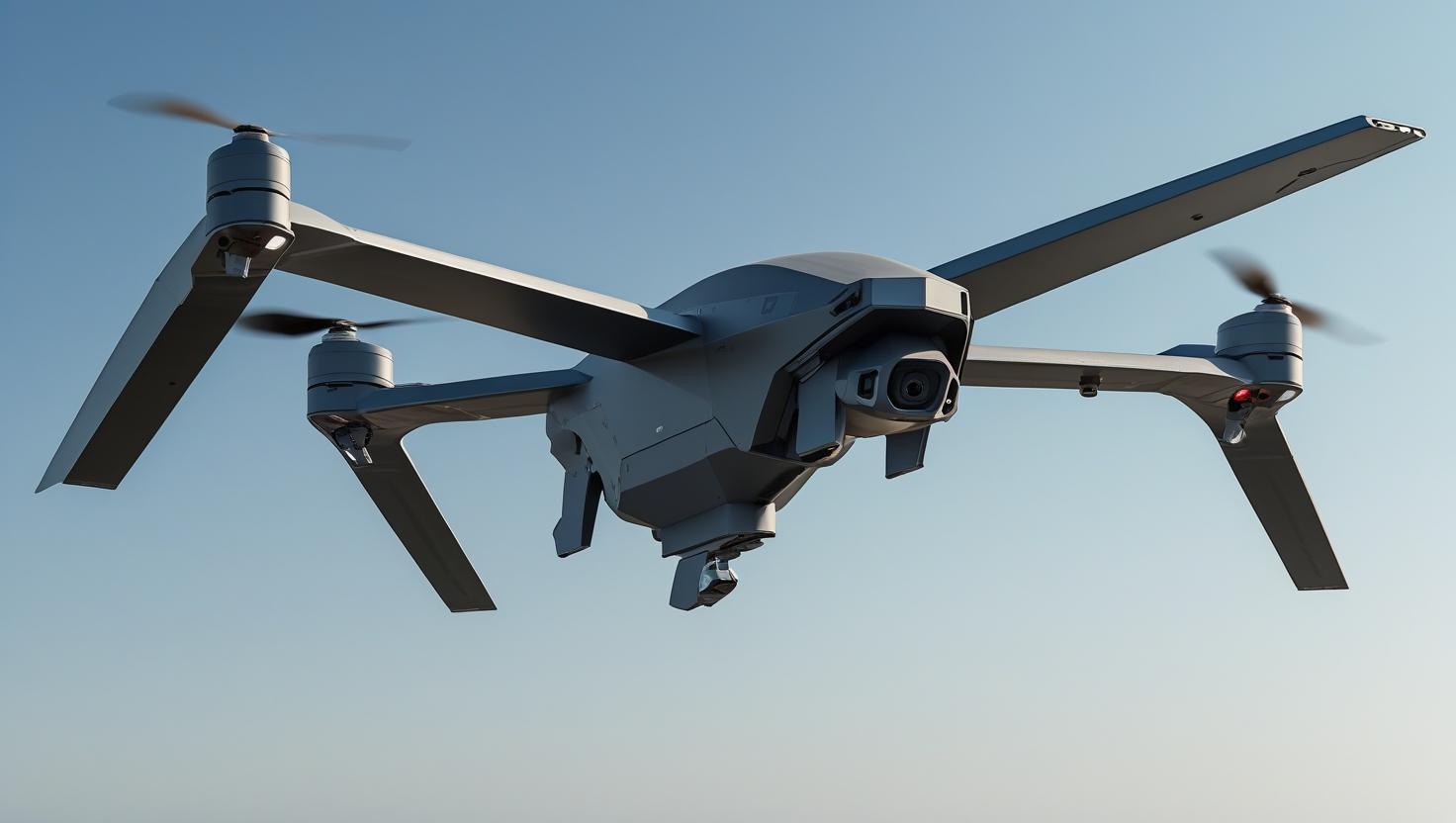
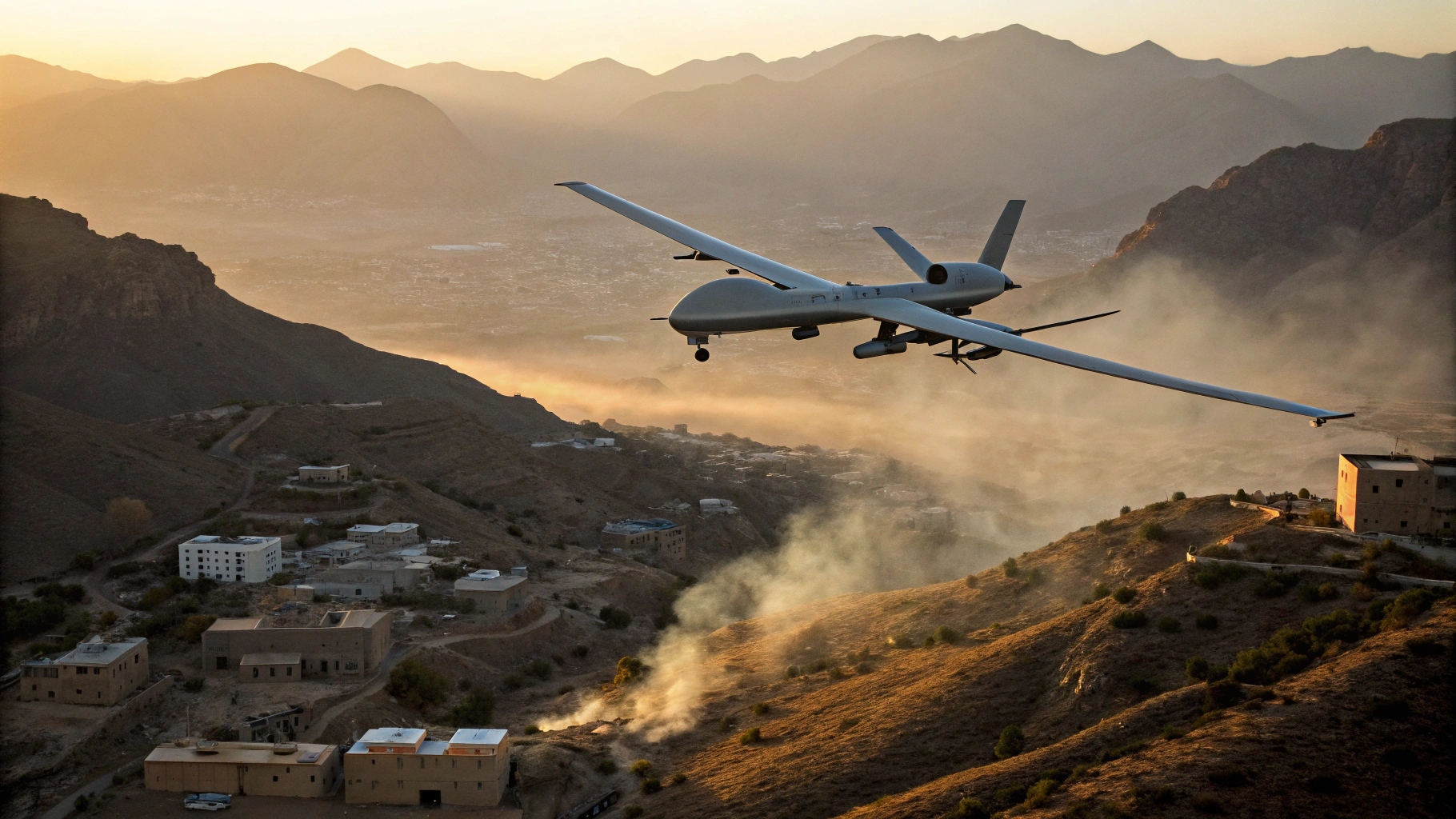
Berlin has outlined a plan to deploy 8,300 drones by 2029, a target seen as relatively modest given NATO’s broader push to strengthen autonomous warfare. The order encompasses about 5,700 reconnaissance systems, 560 interceptors, and 2,070 loitering munitions, with options for multi-launcher setups and strike drones capable of ranges up to 600 miles (966 kilometers).
Officials argue Germany’s measured stance is deliberate. Unlike Ukraine and Russia—where drones are responsible for around 70 percent of battlefield casualties—Berlin prefers not to tie itself to large-scale orders that could quickly become obsolete. The government instead emphasizes flexible production capabilities that can be expanded if conflict pressures rise.
Industry voices, however, have raised concerns. Florian Seibel, co-founder of Stark Defense and head of Quantum Systems, stressed that German companies cannot invest in large-scale drone factories without secure long-term contracts. Such hesitation, he warned, risks eroding the country’s domestic defense manufacturing base.
This procurement effort follows Germany’s broader decision to nearly double defense expenditure to 161.8 billion euros ($189.4 billion) over four years, spurred by Russia’s invasion of Ukraine and doubts over US security commitments. Most of the new funding will modernize tanks, aircraft, and conventional forces, while drone investment remains secondary. Alongside this, Berlin has announced the transfer of two more Patriot air defense systems to Ukraine, with further launchers and components expected within the coming months.